




Raising healthy children is one of the most important goals for parents today. Families want their kids to grow up strong, confident, and ready for life, but modern routines can make this difficult. Busy schedules, long school hours, and constant exposure to electronic devices can affect both physical health and mental health. Because of this, many parents ask how to raise healthy kids in a realistic, sustainable way.
But a healthy start is not anchored on one habit alone. It’s in the daily food choices, sleep routines, emotional support, and the time spent with family. This checklist offers practical steps that help parents guide their children toward good health while keeping routines manageable at home.

Help your child start with healthy eating
Healthy eating is often the first step toward good health. What your child eats every day affects their energy levels, language development, focus in school, disease control, and long-term physical health. You don’t perfect meals at all times for this, just consistent habits.
Eating together as a family helps children understand that food is part of daily life. Kids who see their parents eating vegetables, whole foods, and balanced meals are more likely to accept them. These small routines create a healthy start that supports a child’s development and builds confidence in their own choices.
More importantly, parents should also remember that children learn gradually. A child eats better when the environment feels relaxed and when food is offered without pressure.
1. Healthy foods and portion guidance
Balanced meals give children the important nutrients they need for growth. Knowing these food groups makes it easier to prepare meals a growing child needs.
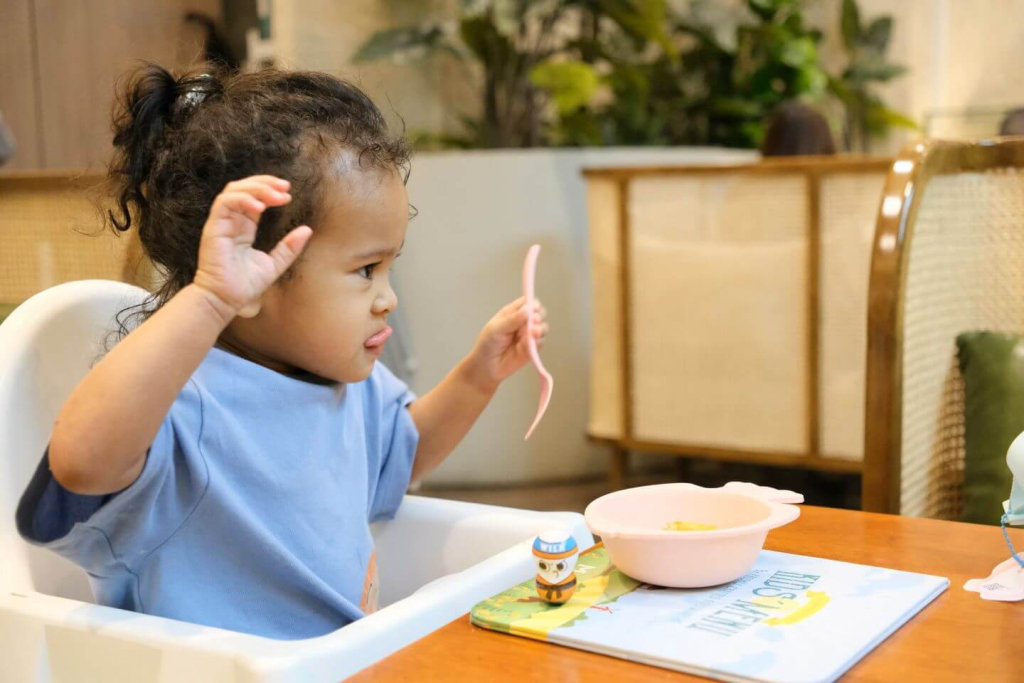
Food groups for balanced meals
Most healthy meals include a mix of food groups. Whole grains such as rice, oats, and bread provide energy, while fresh fruit and vegetables give vitamins needed for good health. Protein from fish, eggs, beans, or chicken helps build muscles, and dairy products support strong bones. Choosing whole foods instead of processed foods also helps reduce added sugar and keeps meals more nutritious.
Simple food prepared at home often contains more important nutrients than packaged snacks or sugary drinks. Over time, these choices lower the risk of heart disease and other health problems.
How much food do children really need
Parents often worry about how much food their kids should eat. The answer depends on age, activity level, and overall health. A baby, younger children, and older kids all need different portions, and most children naturally stop eating when they feel full.
Offering small servings first helps prevent waste and allows the child to ask for more if needed. Allowing the child to eat at their own pace also teaches them to listen to their body, which supports healthy habits later in life.
Healthy snacks and simple ways to reduce added sugar
Healthy snacks can help children stay active between meals. Fresh fruit, yogurt, boiled eggs, and whole-grain crackers are simple options that provide energy without too much added sugar. Parents can also reduce sugary drinks by offering water or milk instead of soda or sweet juice.
These small changes protect a child’s health and make it easier for the whole family to stay healthy.

Introduce new foods without power struggles
Many younger children refuse unfamiliar food, but this is a normal part of growing up. Learning to enjoy different flavors takes time, and parents can guide the process without turning meals into arguments.
Most children need to see new foods several times before tasting them. Offering small bites together with familiar favorites helps younger kids feel comfortable. When kids learn that trying food is safe, they become more willing to explore new choices.
Positive parenting tips: Instead of forcing a child to eat, parents can encourage them gently and praise effort. Non-food rewards, such as extra playtime or choosing a family activity, work better than using sweets as a reward. Helping your child learn healthy habits takes patience, but these small steps help kids learn to make better choices on their own.
2. Physical activity, screen time, and staying active as a family
Physical activity is just as important as healthy eating. Children need to move every day to stay physically active, build strong muscles, and keep their minds focused in school. However, modern life often includes long hours with electronic devices, which makes it harder for kids to stay active.

Simple ways to keep kids physically active every day
Family activities are one of the best ways to encourage movement. Walking, biking, playing outside, or helping with chores can all count as physical activity. Even with busy schedules, short periods of play throughout the day help kids stay healthy. Children who are physically active often sleep better, concentrate more easily, and feel more confident in daily life.
Set rules to limit screen time and electronic devices
Parents can help by setting clear rules to limit screen time. Turning off other devices before bedtime, keeping screens out of the dining area, and choosing outdoor play when possible are simple ways to keep balance at home. Limiting screen time does not mean removing technology completely, but helping kids use it in a way that does not harm their health or daily routine.
3. Sleep, routines, and safety for healthy child development
Daily routines help children feel safe and secure. A consistent bedtime routine allows kids to get enough rest, which supports both physical health and emotional development. Reading, bathing, and turning off electronic devices before sleep can signal that it is time to rest.
Safety at home is also important, especially for younger children. Parents and other caregivers should check that harmful items are out of reach and that play areas are safe. Children who feel safe are more relaxed and ready to learn.
Regular routines give structure to a child’s life. Knowing what to expect each day helps children focus in school, follow rules, and feel confident in their surroundings.

4. Support mental health and emotional development
A child’s mental health is as important as their physical health. Children need support to understand their emotions and to learn how to talk about them.
Teach emotional expression and expressing feelings
Parents can help by teaching simple words for emotions and encouraging emotional expression. When children practice expressing feelings, they learn that it is safe to talk about problems instead of hiding them.
Build social and emotional development at home
Social and emotional development grows through daily interaction. Talking during meals, listening carefully, and spending time together help children feel valued. Open communication also helps parents notice when something is wrong.
Protect your child’s mental health
A child’s mental well-being improves when they feel supported. Giving attention, setting clear rules, and helping your child solve problems calmly all protect their emotional health and build confidence.
5. Communication, friendships, and learning social skills
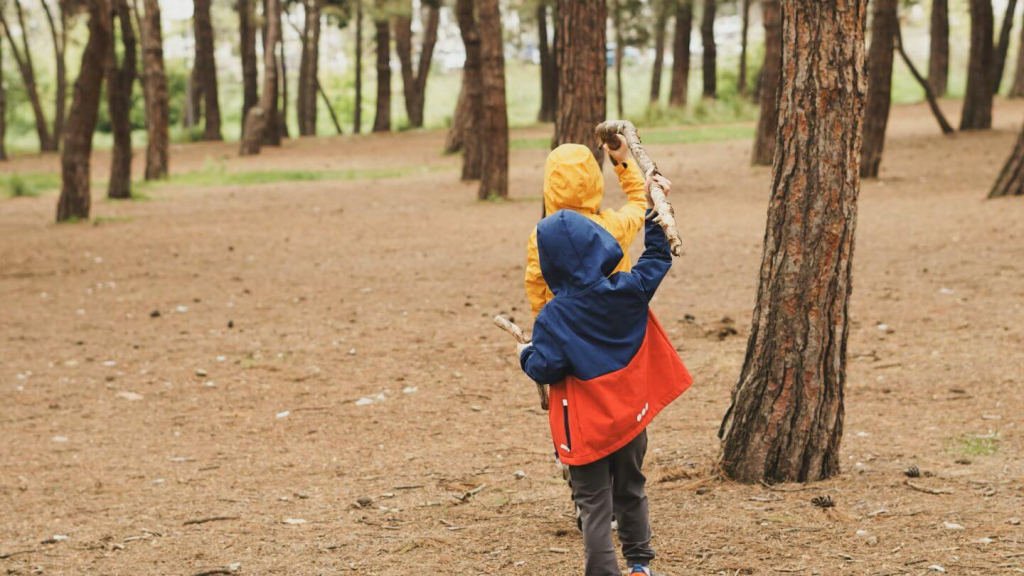
Children learn social skills through family, school, and time spent with other adults and other parents. Spending time together, sharing similar interests, and allowing children to talk about their day help them feel connected.
Friendships also help children grow. Playdates, group activities, and even video chatting with relatives can teach kids how to cooperate and respect others. These experiences prepare them for school and for life outside the home.
When families keep open communication, children feel comfortable asking questions and sharing concerns, which supports healthy development.
6. When parents should seek professional support
While parents know their children best, being a good one sometimes means reaching out when extra help is needed.
Watch milestones and other factors
Most children grow at their own pace, but parents should watch developmental milestones and other factors such as changes in mood, sleep, or eating habits. These signs can show when a child needs more support. If concerns continue, parents can talk to a pediatrician or a clinical psychologist. Getting advice early can protect a child’s health and prevent bigger problems later.
7. Keep healthy routines realistic
Healthy routines do not need to be complicated. Parents can focus on simple habits such as preparing balanced food, keeping regular schedules, and spending time together as a family. These everyday actions help children learn healthy choices naturally. Even with busy schedules, small efforts make a difference. When kids see consistent rules, regular meals, and caring support at home, they are more likely to grow with confidence and good health.
Healthy lifestyles start at home
Raising healthy kids requires patience, consistency, and support from parents, family, and caregivers. Good health comes from daily habits that protect a child’s physical health, mental health, and emotional development.
Build a healthier future for your family in a community designed for growing children. Discover Camella developments with safe spaces, family-friendly surroundings, and homes made for everyday comfort and wellness.