





Image source: Freepik
Whether you’re planning your first home, upgrading an existing home, or trying to give your existing property a second life, the desire to create more space is universal. Many families reach a point where the layout no longer works, the living area feels tight, and the possibility of a new home simply isn’t realistic. This is where smart house and lot expansion tips become valuable.
Why Filipino Families Are Expanding Instead of Moving
Expanding your home isn’t just about building more square meters. It’s a process of evaluating your needs, redesigning existing spaces, and understanding how every decision affects your budget, overall cost, and the long-term value of your property. Some want extra space for a growing family, others aim for better storage, larger living spaces, or a dirty kitchen to manage daily cooking without heating up the main home. For many, these projects help them get closer to their dream home without the price of full new construction.
Each tip below focuses on several practical advices that can guide you through the whole process of expanding, renovating, and transforming your home with purpose and clarity.
1. Checking Structural Capacity Before Any Major Build
Before any building project begins, assess the structural integrity of the existing building to avoid unexpected failures during construction. Structural capacity determines whether the house can handle structural changes. Examples of these structural changes are adding a second floor or extending outward.
Hire a licensed structural engineer to evaluate your walls, beams, columns, and foundation. They will inspect for cracks, moisture problems, or uneven settling. This inspection protects your money, avoiding collapse risks or future retrofitting that can eventually lead to increased prices for your expansion. Once you receive a stamped structural report, you can decide the safest direction for the extension and identify which materials you need to prepare.
You can design with structural capacity in mind from day one, minimizing reinforcement costs and making the project more cost-effective in the long run.
2. Reinforcements Worth Doing Before a Home Renovation
Before focusing on beauty or interior upgrades, strengthen weak areas of the existing home so your renovation projects don’t fail later. Address water seepage, termite damage, foundation cracks, and outdated plumbing or electrical work early.
Reinforcements often require chipping concrete, replacing rusted rebar, improving support beams, and correcting poorly built sections from an older era. Doing this ensures the next phases of renovating won’t need to be undone. Although reinforcement may not feel glamorous, it’s essential work that protects your property investment and safeguards the family living inside.
Many Filipino homeowners skip this step to “save” money, but ignoring structural reinforcement is the fastest way to waste it. Correcting unseen weaknesses later can triple the cost, delay timelines, and undo all the hard work already done.
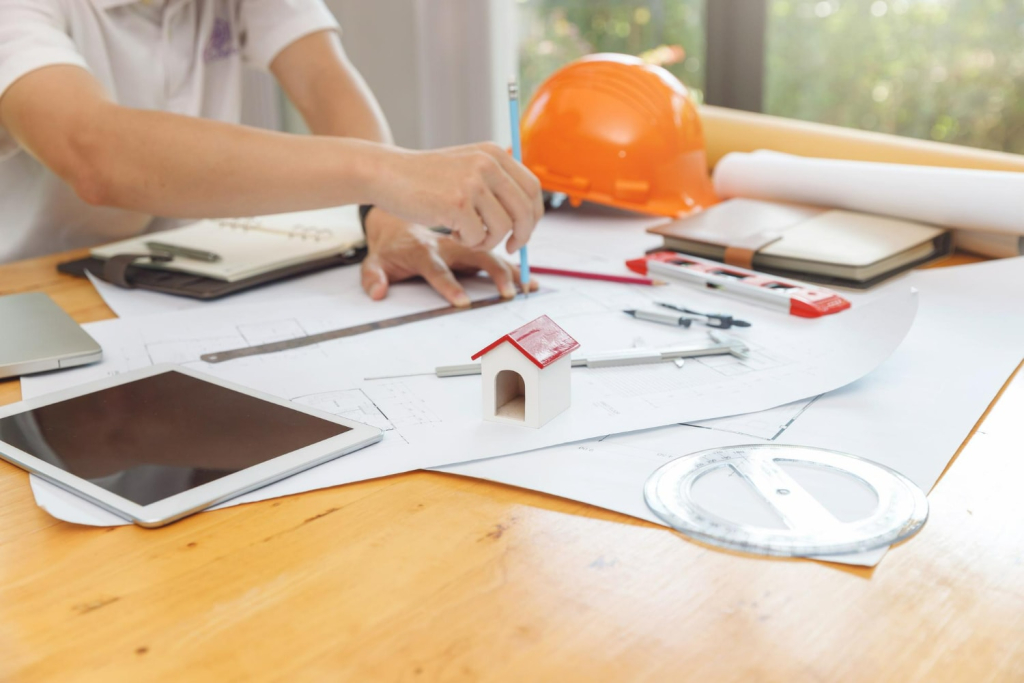
3. Designing a Functional New Room Through a House Extension
A house extension is often built to add a usable room—a bedroom, a small office, or a play area. The key is designing a functional space that integrates smoothly with the home’s circulation. Make sure the extension receives enough sunlight, airflow, and easy access without disrupting the main living area.
Plan early for appliances, outlets, and lighting so you don’t reopen walls later. Clarify the function of the room before construction to guide the placement of cabinets, shelving, and built-in storage space. Even a small room becomes highly practical when storage is addressed from the start.
In communities like Camella Azienda Batangas in San Pascual, homeowners who purchase lots only are able to design their room layouts freely and plan extensions from the ground up, making long-term expansion far easier than modifying a pre-built structure.
4. Creating Detailed Plans and Practical Home Extension Plans
A home extension toward the backyard can transform unused outdoor areas into functional indoor zones. Back extensions are ideal for enlarging the kitchen, creating a larger dining area, or adding extra space for an elderly family member who prefers staying on the ground floor. Filipino households often convert part of the backyard into a dirty kitchen, a setup that keeps smoke and heat away from the main indoor kitchen.
Study the location of your septic tank, drainage lines, and service areas before you begin. Backyard extensions often require rerouting plumbing and adding new electrical provisions, which means more planning upfront.
5. Steps You Need to Secure Planning Permission for Your Project
Every building expansion requires planning permission from the local government. Start by requesting Barangay Clearance, followed by applying for a Building Permit from your city or municipal engineering office.
Submit your detailed plans, including architectural, structural, electrical, and sanitary drawings. Your engineers and architects must sign and seal these documents. If your project involves major structural changes, you will need a structural analysis.
Clearing these permits early protects you from stop-work orders, fines, or demolition. The approval process also ensures your expansion doesn’t violate easements, firewalls, or zoning restrictions. Think of this as part of the whole process rather than an obstacle.
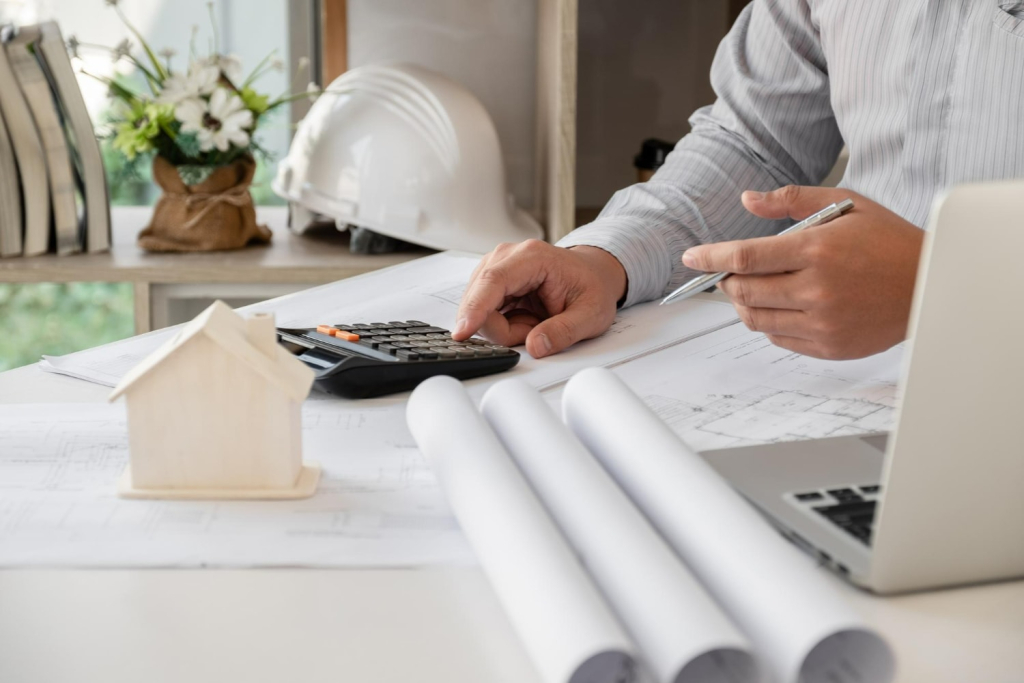
6. Planning Your Budget to Keep the Build on Track
A realistic budget is your most reliable safeguard against delays. Break your finances into labor, materials, finishes, fixtures, and emergency allowances. Expansion is a long and often unpredictable process, so prepare at least 10 to 20 percent contingency funds.
Be careful not to overspend on aesthetics too early. Prioritize roofing, structure, and waterproofing before décor. These aspects provide the biggest benefits in the long run, especially during the rainy season.
7. Material and Window Upgrades That Improve Energy Efficiency
Choosing the right materials can dramatically lower utility bills. Using energy-efficient windows or window films reduces heat gain. You can also add insulation to your roof or walls to stabilize indoor temperatures.
When replacing old components, choose ones that are more efficient rather than just cheap. Pick roofing and wall materials suitable for the Philippine climate to reduce the environmental impact of frequent replacements.
8. Extensions That Strengthen Property Value and Layout
A well-designed extension can increase your property value, especially if the new layout improves movement, adds livable square meters, or introduces a new bathroom or bedroom. Real estate buyers pay more for homes with smart, cohesive layouts.
When improving your home, people tend to miss out on the small things, like which upgrades contribute to overall marketability and ease of selling the house later on. If you decide to move in the future. Choose finishes that balance durability and appeal—quality flooring, paint, and well-placed lighting elevate the entire expansion. I
9. Landscaping Adjustments That Protect the New Structure
Good landscaping is more than aesthetics. It supports drainage, reduces soil erosion, and protects the foundation of your building. Address water flow patterns, place permeable surfaces, and design sloping away from the house to minimize ponding during heavy rains.
Use gravel beds, garden strips, and proper grading to divert excess water. These changes reduce long-term damage to your walls and floors.
This stage is especially important for homes in areas prone to flooding. Landscaping serves as your home’s first defense, ensuring your expansion remains stable over time.

10. Setting a Realistic Timeline for a Smooth Construction Process
Managing expectations helps keep hard work balanced throughout the whole process. Expansion projects often disrupt daily routines, so create a realistic timeline for demolition, structural works, finishing, and cleanup.
Talk to the contractor about delivery schedules for tiles, fixtures, and materials. Delays often happen when supplies arrive late or when weather conditions stop outdoor construction. Careful planning of the schedule lightens stress for the entire family.
For many Filipinos, reaching the end of a major expansion feels like a milestone. The journey may involve hard work, but each stage brings you closer to a home that truly supports your lifestyle.
Conclusion
Expanding a home isn’t simply about adding square meters. It’s about making intentional choices that improve movement, comfort, durability, and long-term satisfaction. By evaluating your needs, preparing the right detailed plans, securing necessary permits, and managing your budget, you can create a space that grows with your family. With the right strategy, every improvement becomes an investment that supports better living and a clearer vision of the place you want to call home.