



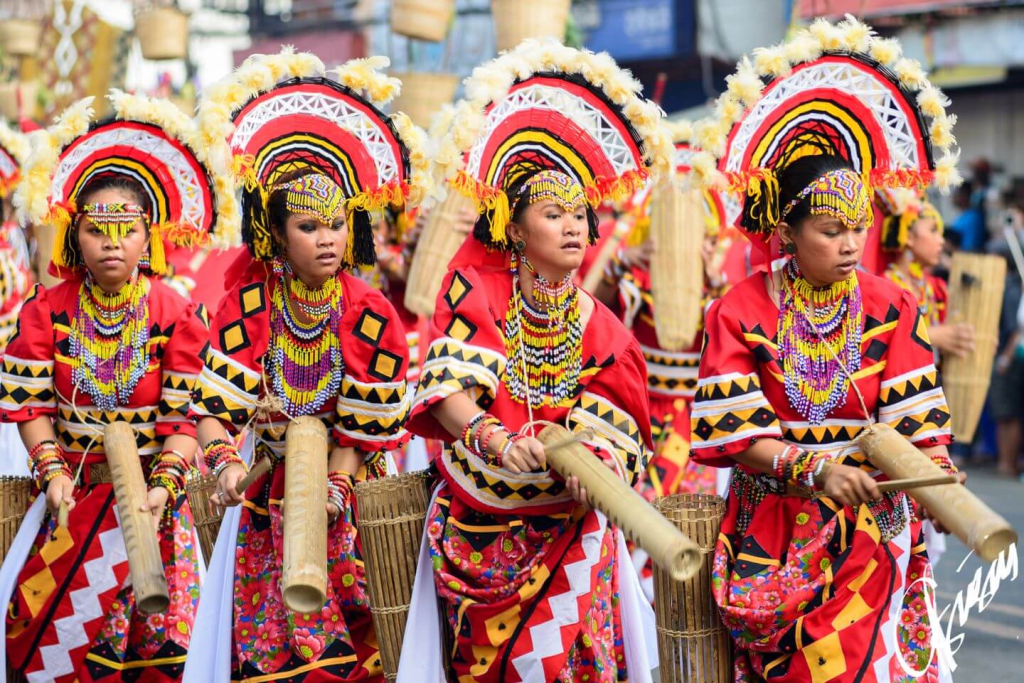
By Constantine Agustin – https://www.flickr.com/photos/biagkensiak/36636563901/, CC BY-SA 2.0, https://commons.wikimedia.org/w/index.php?curid=75781817
Introduction
Every March, the upland province of Bukidnon in the Philippines prepares for one of the country’s most culturally significant gatherings. The Kaamulan Festival transforms Malaybalay City into a center of traditions, rituals, performances, and community celebrations. For fellow travelers planning a cultural trip in Mindanao, this guide to the Kaamulan Festival offers essential information on what to see, where to go, and when to experience the festivities.
The 2026 celebration runs from March 19 to April 23, with events held across Malaybalay City and neighboring municipalities in Bukidnon Province.
A Guide to the Kaamulan Festival: Understanding Bukidnon’s Cultural Gathering
Before planning a visit, it helps to understand the deeper meaning behind the celebration. The Kaamulan Festival is not simply entertainment. It reflects the history, customs, and spiritual beliefs of the communities that originally inhabited Bukidnon Province.
The Meaning of the Kaamulan Festival and Its Binukid Word Origins
The word Kaamulan comes from a Binukid word that means “to gather.” In Bukidnon culture, this gathering traditionally referred to events where tribal leaders and members of different sectors of the provincial community assembled to discuss matters affecting the land and people.
Over time, this gathering evolved into a Thanksgiving festival celebrated every March. The timing is significant because it coincides with harvest time, when communities express gratitude for agricultural abundance and community unity. Today, Kaamulan celebrates not only the harvest but also the shared heritage of Bukidnon tribespeople.
What makes the celebration unique is its strong connection to the traditions of indigenous groups. Rituals, music, and ceremonies performed during the festival continue practices that have existed long before modern settlements appeared in the province.
Why Kaamulan Is Considered an Ethnic Festival
Across the Philippines, many festivals revolve around patron saints or historical events. Kaamulan stands apart because it is rooted in tribal culture and indigenous culture.
During the celebration, ethnic tribal groups perform dances, chants, and rituals representing their communities. Cultural presentations showcase tribal heritage through traditional music, costumes, and storytelling.
Visitors quickly discover that the Kaamulan Festival is not simply a spectacle for tourists. It is a celebration of identity for the ethnic groups who continue to preserve Bukidnon’s rich culture.
The Seven Ethnic Tribal Groups of Bukidnon
The festival highlights the traditions of the seven tribal groups recognized in the Bukidnon region. These communities include the Talaandig, Manobo, Matigsalug, Tigwahanon, Higaonon, Bukidnon, and Umayamnon peoples.
These seven hill tribes originally inhabited large parts of the Bukidnon region long before colonial influence reached Mindanao. Their traditions remain visible in clothing, music, rituals, and oral storytelling.
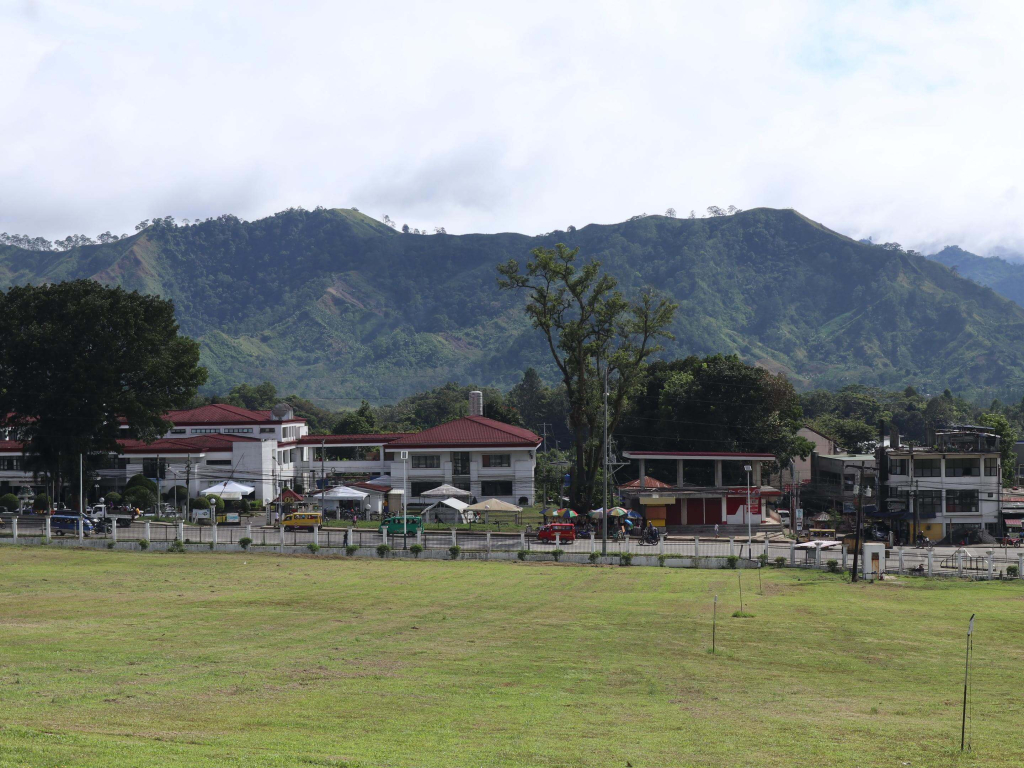
Image source: https://upload.wikimedia.org/wikipedia/commons/4/47/Malaybalay_Casisang_hills_%28Malaybalay%2C_Bukidnon%3B_12-07-2023%29.jpg
Visiting Malaybalay City During the Kaamulan Festival
Travelers planning a trip to the festival will find that Malaybalay City offers both cultural experiences and scenic landscapes in the highlands of Northern Mindanao.
Getting to Malaybalay City from Cagayan de Oro
The most common route to Malaybalay City begins in Cagayan de Oro, the main gateway to Northern Mindanao. From there, travelers travel south along Sayre Highway toward Bukidnon Province.
The journey usually takes about two hours by bus or private vehicle. As travelers move deeper into Bukidnon, the landscape changes into rolling hills, pine trees, and wide agricultural fields.
The route along Sayre Highway also passes towns that highlight the agricultural importance of the province.
Key Festival Locations in the City Center
Most major events take place in the city center of Malaybalay. The provincial capital hosts performances, exhibitions, and cultural activities across several venues.
One of the most important locations is the Kaamulan Open Theater, where large cultural presentations and performances occur. The Kaamulan Capitol Grounds nearby also hosts many of the festival’s exhibitions and fairs.
These venues serve as the interesting ground where locals and tourists gather for daily events during the festival season.
Just a short drive from the city center, the district of Aglayan along Sayre Highway has become one of the growing residential areas near the provincial capital. Developments such as Camella Montierra, which will soon rise in Aglayan, reflect how Malaybalay City continues to expand as more visitors, professionals, and families choose to settle in Bukidnon while staying close to cultural landmarks and festival venues.
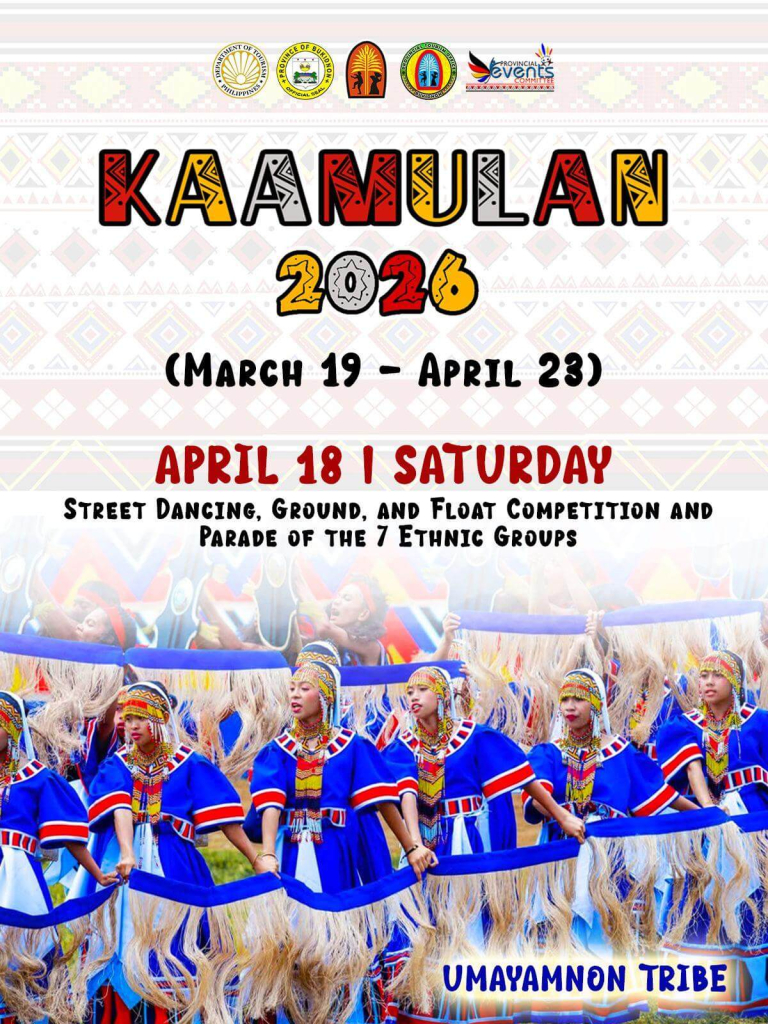
Image source: https://www.facebook.com/Kaamulantourism
The Kaamulan Festival 2026 Calendar of Events
The Kaamulan Festival calendar includes several weeks of activities across Bukidnon Province, combining cultural showcases, concerts, and competitions.
Opening Ritual and Grand Launch (March 19)
The official opening of the festival takes place on March 19 at 5 AM with Pamukalag ha Pangampo, the grand opening ritual held at the Kaamulan Capitol Grounds in Malaybalay City. This meaningful ceremony marks the start of the celebration and involves leaders from different tribal groups.
Later that evening, a Grand Opening Concert featuring Rob Guinto, Over October, and Gigi de Lana begins at 6 PM at Kaamulan Capitol Grounds. The night concludes with a Pyromusical Display at 8 PM, drawing a large crowd to the provincial capital.
Cultural Exhibits and Agricultural Showcases (March to April)
Some festival attractions run for the entire duration of the celebration.
The Garden Show begins as early as March 7 at 8 AM and continues until April 23 at the Kaamulan Capitol Grounds in Kaamulan Park. This exhibition showcases plants, flowers, and landscaping displays from across the Bukidnon region.
The Agri Fair opens on March 19 at 8 AM and also runs until April 23 in Kaamulan Park, presenting agricultural products from different municipalities in the province.
Visitors can also explore the Culture and Arts Exhibit and Bukidnon’s Madagaya Pavilion, both open daily from March 19 to April 23 at the Kaamulan Capitol Grounds.
Since the festival runs for more than a month from March to April, many travelers spend half a day exploring exhibitions like the Garden Show and Agri Fair before attending evening concerts and cultural shows.
Music, Performances, and Festival Concerts
Several major performances highlight the cultural side of the festival that visitors shouldn’t miss.
On March 21 at 5:30 PM, the Philippine Philharmonic Orchestra performs at the Centennial Stage at Kaamulan Capitol Grounds.
The Bukidnon Chorale Festival takes place on March 27 at 7 PM at Florence Kern Auditorium in Mountain View College, Valencia City, where groups such as the Bukidnon State University Chorale perform.
Music events continue on March 20 at 5 PM with Dilab sa Kaamulan: Music Festival with MJ Flores at the Centennial Stage.
Sports and Adventure Events Across the Province
Many sports competitions are scheduled across different municipalities in Bukidnon.
The Kaamulan Rodeo runs from March 27 to March 29 at the AITC Grounds in Poblacion, Impasugong.
Cycling enthusiasts can join the Kaamulan Enduro Expedition 300KM from March 31 to April 1 across the northern part of Bukidnon.
Athletic events also include the Sepak Takraw Open Tournament from April 4 to April 5 at Valencia National High School Covered Court and the Kaamulan National Pickleball Tournament from April 9 to April 12 at the Bukidnon Cultural and Sports Complex in Laguitas, Malaybalay City.
Street Dancing and Ground Presentation
Among the many festivities, the street dancing competition remains the most anticipated spectacle of the Kaamulan Festival.
Street Dancing Competition Through the Streets of Malaybalay City
On April 18 at 5 AM, performers representing the seven tribal groups take part in the Kaamulan Street Dancing, Ground, and Float Competition.
The parade begins near Old Pine Hills Hotel along Sayre Highway and continues through the main streets of Malaybalay City before ending at the Kaamulan Capitol Grounds.
Participants from different tribes present choreographed dances that reflect the history and traditions of Bukidnon.
Many travelers choose to visit during the last week of the festival season, when the largest crowds gather in Malaybalay City for the street dancing competition, major concerts, and the closing rituals.
Ground Presentation at the Kaamulan Open Theater
After the parade, performances move to the Kaamulan Capitol Grounds, where each group delivers a ground presentation before judges and spectators.
The presentations combine storytelling, tribal costumes, and traditional music that portray the history of the hill tribes of Bukidnon.
Cultural Performances Featuring Traditional Music
Throughout the presentations, instruments such as gongs and drums accompany the dancers.
These performances serve as cultural presentations that celebrate Bukidnon culture and preserve the heritage of the indigenous groups who continue to practice these traditions.
Rituals and Traditions That Define the Kaamulan Festival
Beyond concerts and competitions, the Kaamulan Festival also includes sacred rituals that reflect the spiritual traditions of Bukidnon tribes.
The Peace Pact and Datuship Ritual
Traditional leaders gather for ceremonial events that symbolize unity among tribal groups. One important ritual is the peace pact, which historically served as a symbol of harmony among tribes.
Another meaningful ceremony is the datuship ritual, where tribal leaders reaffirm their role as cultural leaders within their communities.
The Seven Tribes Tribal Mass Wedding
One of the most unique events of the festival takes place on April 8 at 8 AM at the Centennial Stage in Kaamulan Park, where the Seven Tribes Tribal Mass Wedding (Kag Asawaha) is held.
During this wedding ceremony, couples from indigenous communities exchange vows in a celebration of love, culture, and community.
Closing Rituals and Thanksgiving Ceremony
The closing ceremonies take place in the final week of the celebration.
On April 17 at 5 AM, the Panalawahig ha Pangampo ritual is held at Calawaig Creek in Kaamulan Park. Another ceremony, Pamalabag ha Pangampo, occurs on April 18 at 3 AM at Old Pine Hills Hotel along Sayre Highway.
These rituals mark the spiritual closing of the festival.
Experiencing the Night Festivities and Local Culture
Evenings during the Kaamulan Festival remain lively as concerts and cultural performances continue across Malaybalay City.
On April 18 at 6 PM, performances by Bukidnon Local Bands featuring Aenn Charelle X Kabaya-baya take place at Kaamulan Capitol Grounds.
Later events include the Kaamulan Celebrity Night featuring Lyka Gairanod on April 19 at 7 PM, followed by another Pyromusical Display at 8 PM.
These night events attract family and friends who gather to enjoy music and community festivities.
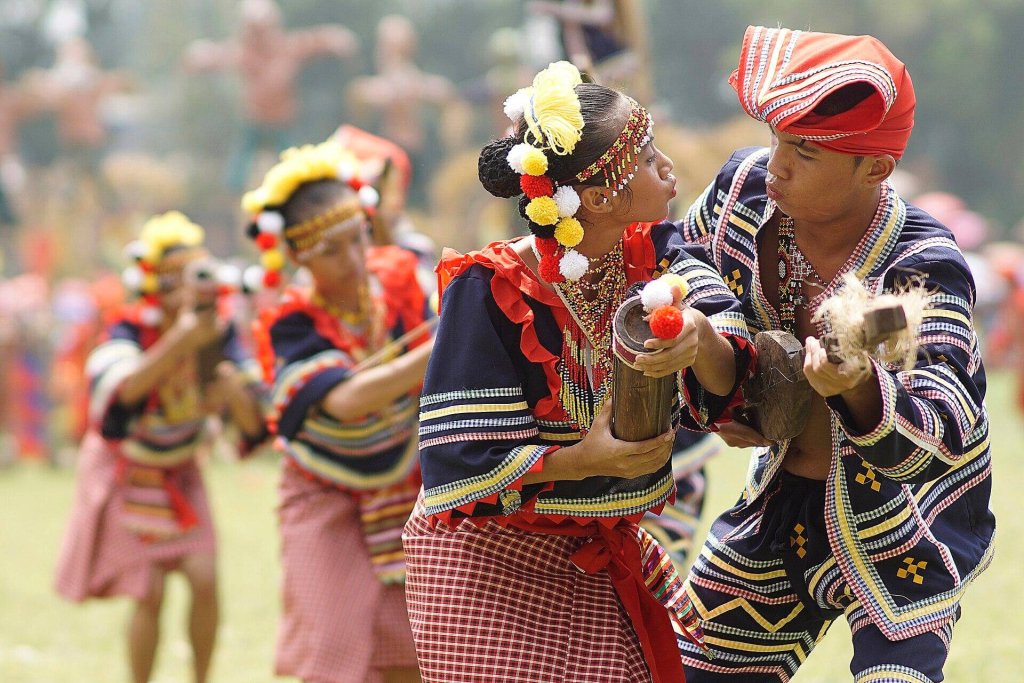
Image source: https://en.wikipedia.org/wiki/Kaamulan#/media/File:Kaamulan_Festival_-_Courtship_dance.jpg
Tips for Fellow Travelers Visiting the Kaamulan Festival
Travelers planning to visit the festival should prepare for large crowds and busy streets during peak events.
The street dancing competition and parade often attract the largest number of spectators. Arriving early allows visitors to secure good viewing spots.
Comfortable clothing is recommended because visitors may spend several hours exploring festival venues. Since events are spread across several weeks, travelers can also plan to attend specific highlights depending on their interests.
Respect for indigenous culture is also important. Many performances and rituals represent sacred traditions that continue to hold meaning for the communities who participate.
Conclusion
The Kaamulan Festival remains one of the most culturally significant celebrations in the Philippines. Each year, the festival gathers the seven ethnic tribal groups of Bukidnon in a celebration of heritage, unity, and shared traditions.
For travelers exploring Mindanao, visiting Malaybalay City during the festival offers a rare opportunity to witness the living traditions of the Bukidnon region. Through music, rituals, dances, and community gatherings, the festival continues to honor the history of the tribes who shaped the province.
For locals and visitors alike, Kaamulan stands as a powerful reminder that cultural heritage continues to thrive when communities come together to celebrate their identity.