



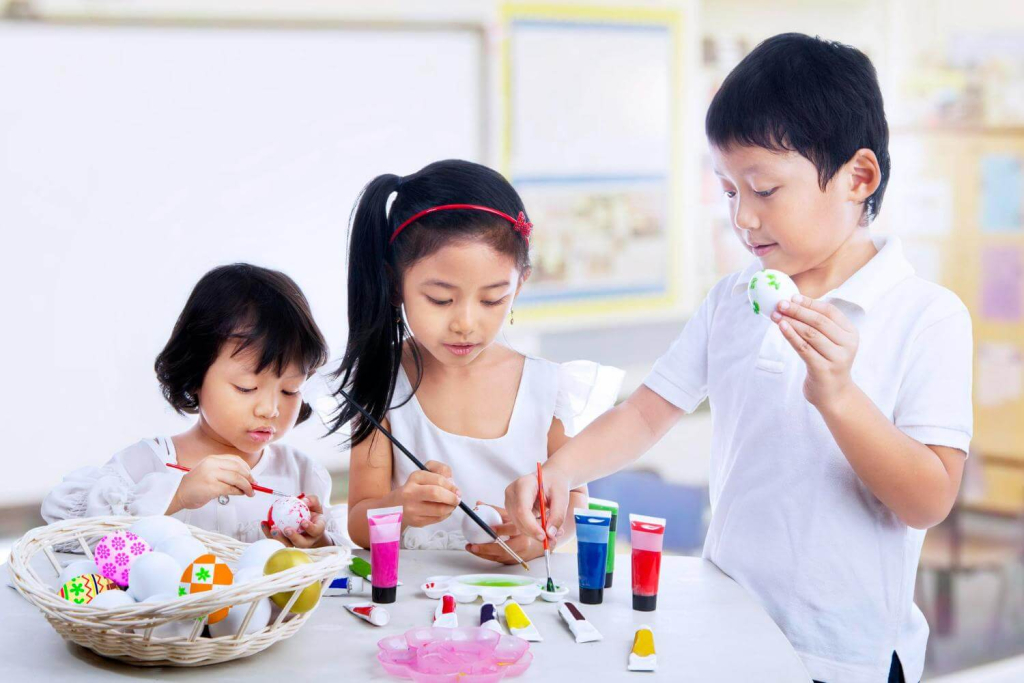
Image source: https://www.freepik.com/premium-photo/children-painting-easter-eggs-art-class_146236134.htm#from_element=cross_selling__photo
In today’s screen-heavy world, helping kids develop healthy habits for their mental health is more important than ever.
Children today experience stress and emotions just like adults, sometimes even more intensely. From school pressures to social challenges, the world they live in can create anxiety and even depression in children.
One powerful and enjoyable way to support their mental well-being is through creative hobbies for kids.
Creative hobbies do more than fill free time. They help reduce stress, build self-confidence, improve focus, and encourage emotional intelligence. More importantly, creative hobbies for kids can be fun and enriching.
Whether it’s painting with colored pencils, joining team sports, or exploring outdoor adventures, these creative activities can nurture a lifelong passion while improving both physical health and emotional skills.
Mental Health Benefits of Creative Hobbies
Creative hobbies provide a hands-on way for kids to explore their emotions, process stress levels, and develop problem-solving skills.
When children engage in creative hobbies, they experience:
- Improved mood and reduced anxiety
- Better social connections through shared hobbies
- Increased self-esteem and self-confidence
- Stronger problem-solving, focus, and critical thinking skills
- Enhanced physical exercise and physical health (for active hobbies)
At a young age, creative hobbies offer a better sense of organization, patience, and discipline. These are all skills that benefit children throughout life.
7 Creative Hobbies for Kids to Try
1. Art and Craft Activities: A Powerful Form of Art Therapy
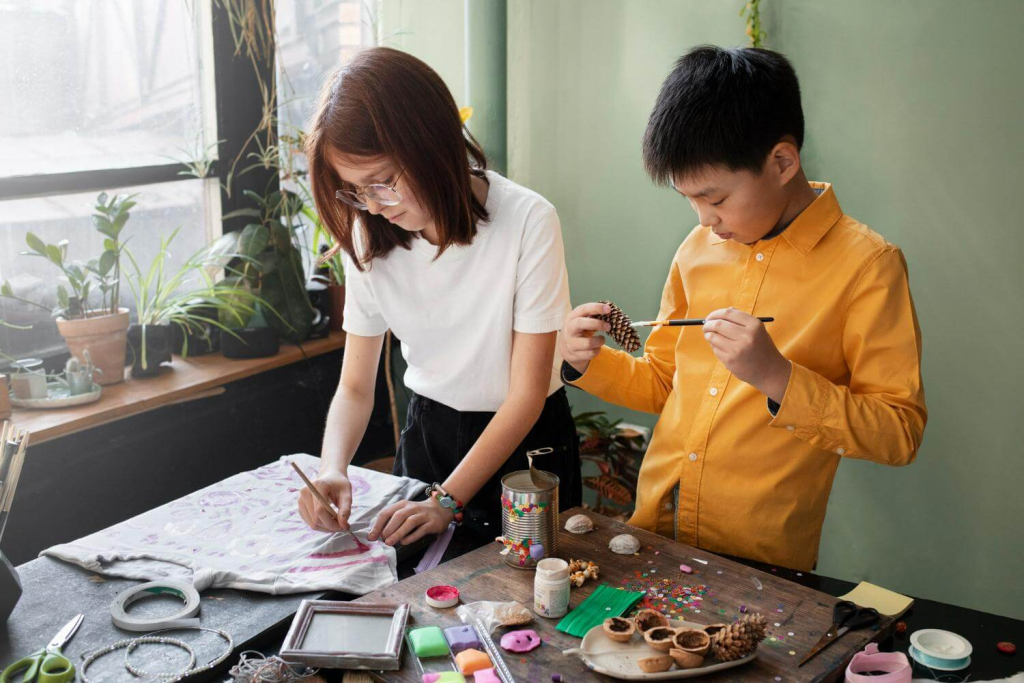
Art remains one of the most accessible creative hobbies for kids. With simple tools like colored pencils, crayons, and air-dry clay, kids can express feelings they may not yet know how to verbalize.
Examples of art therapy and creative hobbies include:
- Drawing and painting
- Model building using recycled craft items
- Sculpting with air-dry clay
- Collage-making using magazines
- Rock painting using different rocks from outdoor trips
These hands-on activities help kids stay grounded, manage stress, and improve focus. Art also encourages creativity and helps children develop a sense of accomplishment.
In the Philippines, parents can easily find affordable art supplies in local bookstores, school supply shops, or even use recycled household items.
2. Music and Learning a New Instrument
Learning a new instrument is another powerful way to improve mental health. Whether it’s guitar, ukulele, or keyboard, music helps children process emotions, reduce anxiety, and build self-confidence.
Benefits of music as a creative hobby include:
- Improved focus and memory
- Improved emotional intelligence
- Stronger problem-solving skills
- Reduced depression, anxiety, and stress levels
Music classes in school will typically have students learn the ukulele, recorder, or guitar. Kids can also learn through online tutorials and online communities that make learning fun and accessible.
3. Writing Stories and Poetry
Encouraging kids to write stories or try expressive writing through poems promotes mental well-being.
Writing allows children to explore their interests, process emotions, and build creativity.
Ideas for writing hobbies include:
- Keeping a journal
- Writing short stories
- Creating comic books
- Starting a book club with friends
- Writing poetry
These hobbies help children improve problem-solving, develop self-esteem, and express themselves in a meaningful way.
4. Physical Hobbies and Outdoor Activities
Not all creative hobbies involve sitting down.
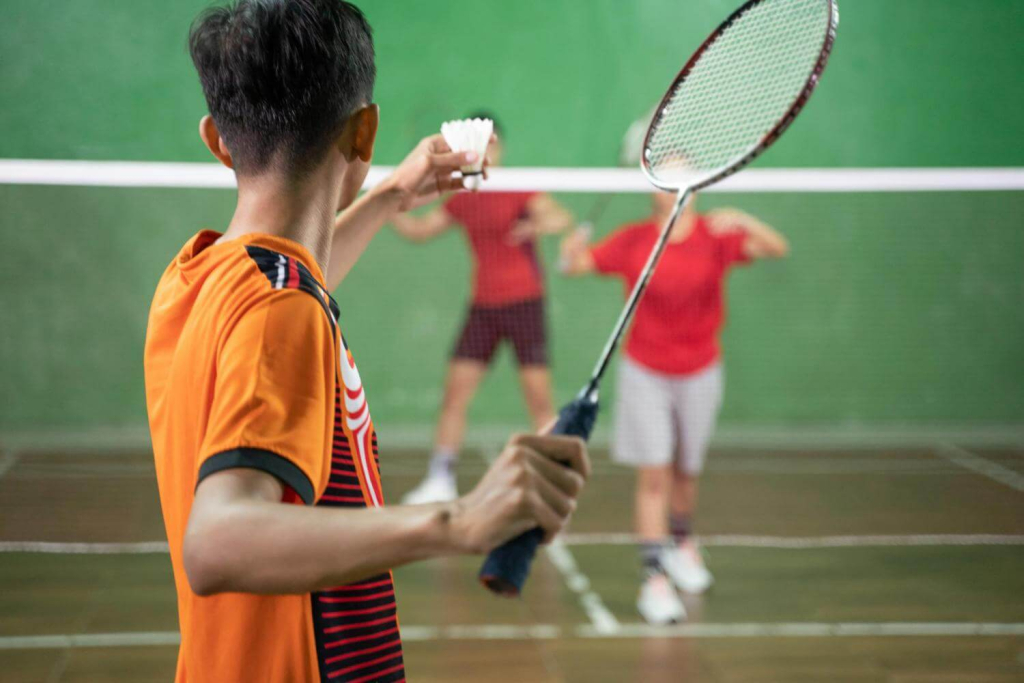
Physical hobbies and outdoor activities offer both mental health benefits and physical exercise.
Examples of outdoor adventures include:
- Planting seeds and gardening
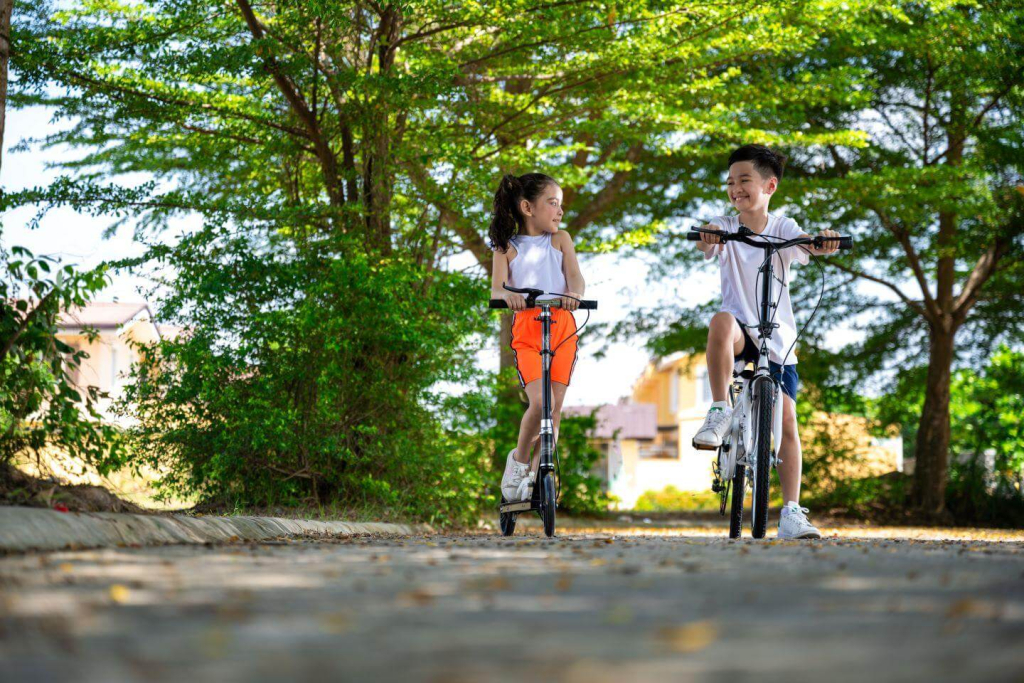
- Bike riding around the neighborhood
- Playing with toy cars outdoors
- Nature walks and collecting different rocks
- Creating and completing backyard obstacle courses
These activities encourage spending time outdoors, breathing fresh air, and enjoying nature. Outdoor hobbies also help reduce stress and anxiety, improve focus, and support well-being.
Parents should always watch for potential hazards and ensure children play safely, especially during outdoor exploration.
5. Social Hobbies and Group Activities
Social hobbies help kids build friendships, practice communication, and develop emotional intelligence.
These hobbies also encourage shared interests and social connections.
Examples include:
- Board games with family and friends
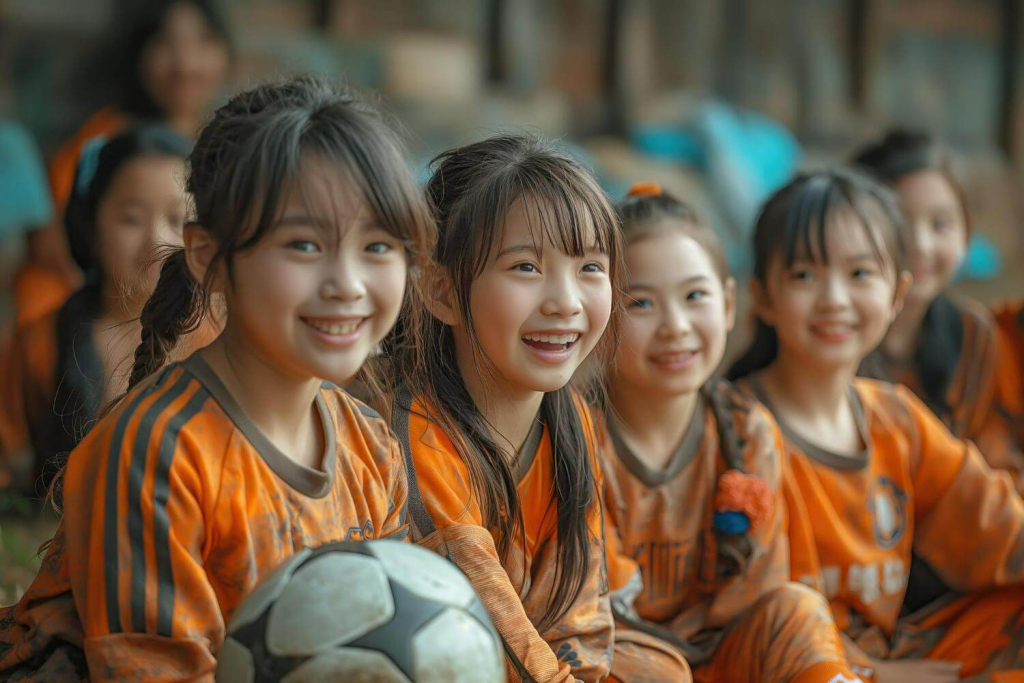
- Team sports like basketball or volleyball
- Shared hobbies like model building
- Joining group activities or community classes
These social hobbies help kids develop teamwork, improve self-confidence, and reduce feelings of anxiety or depression.
6. Cooking
Cooking is a fun and practical hands-on way for kids to learn life skills. Most people don’t associate cooking with creativity, but there is an art to cooking.
Children can enroll in an online cooking class, or you can simply involve them in preparing meals at home.
Cooking helps:
- Teach organization
- Build problem-solving skills
- Encourage creativity
- Improve self-esteem
7. Online Learning
The internet is a rich source of creative ideas and hobbies.
Children can explore simple coding platforms and game design tools. These online tutorials introduce kids to technology in a productive way.
Examples include:
- Basic coding games
- Game design platforms
- Learning a new language
- Joining online communities for learning
These hobbies help kids discover new interests and potentially develop a lifelong passion.
7. Volunteering and Caring for Animals
Helping at an animal shelter or caring for pets teaches empathy, responsibility, and emotional intelligence.
These experiences help children understand compassion and explore meaningful ways to contribute to their community.
Volunteering also:
- Builds self-confidence
- Improves mental health
- Encourages social connection
- Promotes well-being
Even simple activities like feeding animals or helping with cleaning can bring joy and purpose.

Other Ideas for a New Hobby for Your Kids
If you need more ideas, there are countless creative activities for your kids to try:
- Model building
- Learning photography
- Crafting with recycled items
- Dance and movement classes
- Gardening and planting herbs
- DIY science experiments
- Creating scrapbooks
- Playing musical games
- Learning a new hobby like knitting
These creative activities provide opportunities for kids to explore their interests, develop new skills, and enjoy meaningful free time.
Supporting Kids’ Mental Health at Home
Parents play a crucial role in encouraging hobbies. Creating an environment where kids feel they can explore creative pursuits is key to raising well-rounded kids.
Here are simple tips:
- Let your child choose their hobbies
- Provide simple tools and materials
- Encourage shared hobbies
- Set aside dedicated free time
- Celebrate progress and creativity
When kids feel supported, they’re more likely to stick with a hobby and develop a lifelong passion.
A Home That Encourages Creativity and Well-Being in Camella
Creating a nurturing environment is key to supporting kids’ mental health and creative hobbies. A home with open spaces, safe surroundings, and access to outdoor activities encourages children to explore their creativity and develop meaningful hobbies.
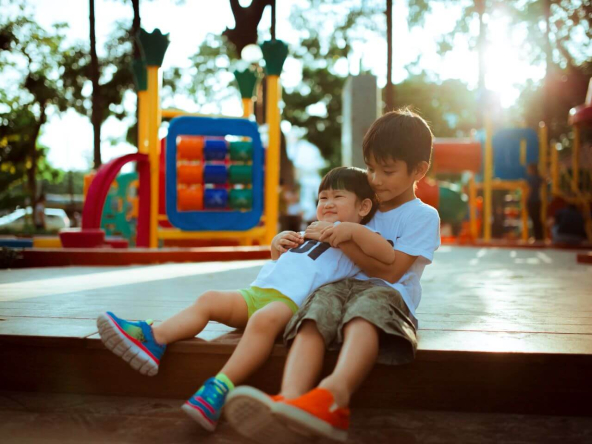
Camella communities are designed with families in mind, offering parks, playgrounds, and shared spaces where kids can enjoy fresh air, outdoor adventures, and group activities. These environments encourage spending time outdoors, developing shared interests, and building social connections with neighbors.
Whether it’s gardening, playing board games, learning a new instrument, or simply enjoying nature, Camella provides the ideal setting for kids to grow, explore, and nurture their mental well-being.
Children who are given space to create, play, and explore develop confidence, resilience, and joy that lasts a lifetime.