




Image source: Freepik
Introduction
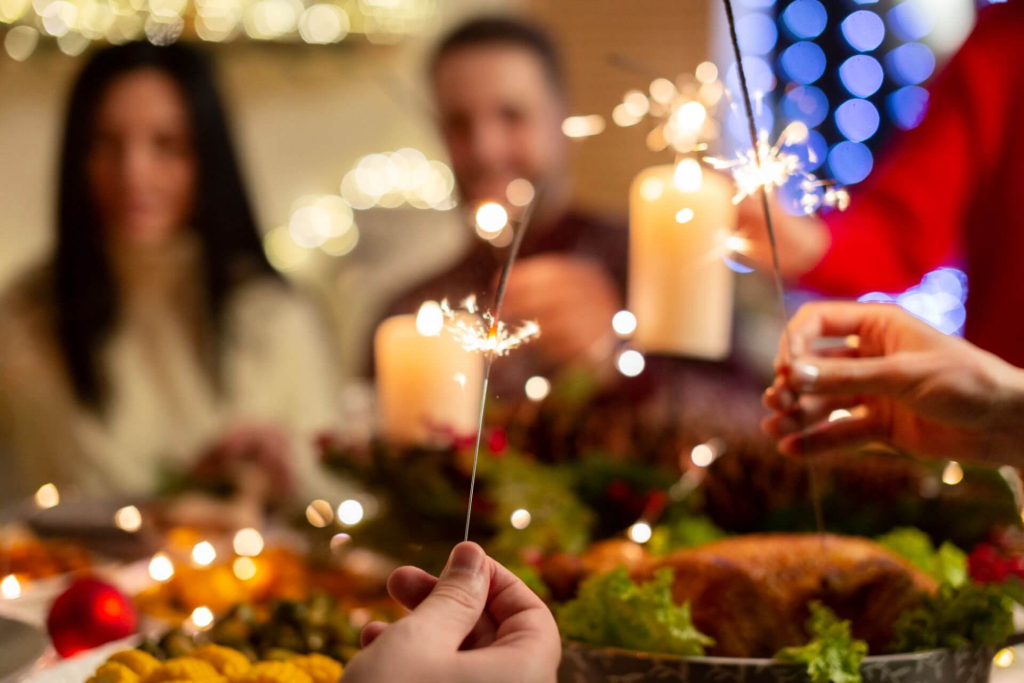
Media Noche in the Philippines turns every neighborhood into one extended dining room. Families prepare some of the best media noche dishes to share with neighbors as the year shifts. The table fills with food linked to hopes for a long and healthy life, good fortune, and new beginnings. These traditions do not stay inside one home because sharing with friends next door or across the street has always shaped Filipino communities. Serving a meaningful dish on New Year’s Eve recognizes both gratitude for the past year and anticipation for the coming year. Within many barangays, the simple act of preparing a meal becomes a celebration of connection.
This list gathers Filipino favorites that consistently appear on the media noche spread. Every recipe tells a story about how Filipinos celebrate, eat, and express hospitality. Each dish here reflects customs that have stayed relevant year-round, from small gatherings to larger family celebrations.
Lumpiang Shanghai as an Appetizer Food Choice for the Media Noche Table
Lumpiang Shanghai sets the pace for the celebration because it is the first dish guests tend to reach for. It is the Filipino appetizer that rarely lasts long because its flavor works with nearly anything else on the table. Many households prepare several batches, frying each piece in hot oil until crisp.
How Filipinos Season and Serve This Favorite
Some use pork mixed with finely chopped carrots, onion, and a bit of chili to create a unique taste. Others add small bits of beef or vegetables to stretch the meat. When you deep fry each roll, the wrapper develops a golden crust that remains delicious even after an hour of talking with friends.
The dipping sauce often contains a little soy sauce mixed with sweet banana ketchup or tomato ketchup. Some families add fresh garlic or a hint of black pepper. People appreciate how easy the rolls are to eat during a busy celebration because a single slice or two fits perfectly as you walk around greeting guests.
Why It Works for Neighborhood Gatherings
In communities like Camella Homes Savannah in Iloilo, you can host neighborhood potlucks where everyone brings something to share. In settings like this, a tray of Lumpiang Shanghai becomes a great addition that disappears quickly. Whether served beside a pasta dish, placed between trays of meat, or enjoyed with friends while waiting for midnight, the Filipino appetite always circles back to this appetizer.
Lechon Manok Served for the Media Noche Spread
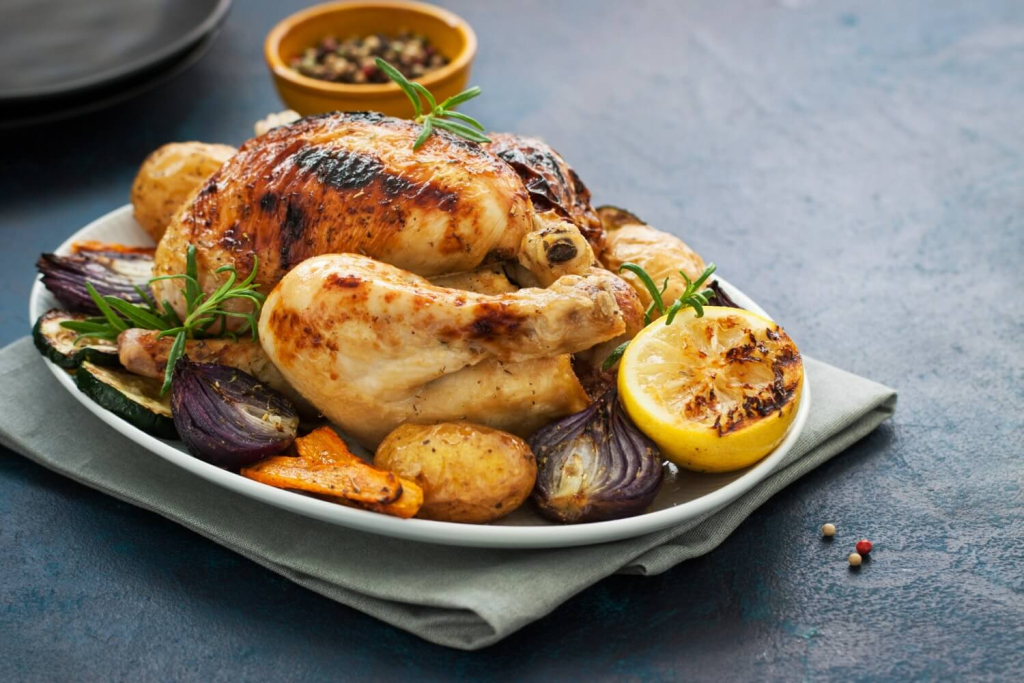
Families choose either roasted or charcoal-grilled chicken for the main meal of the night. Many prepare Lechon Manok because the aroma of chicken mixed with onion, banana leaves, salt, pepper, and spices fills the home with a warm holiday feeling. Some cooks marinate the entire chicken using soy sauce, calamansi, black pepper, garlic, and a touch of oil before roasting. Others use olive oil to coat the skin for a more subtle finish.
Creative Styles of Preparing Lechon Manok
Lechon Manok brings balance to a table already filled with noodles, vegetables, pasta, and dessert. A whole chicken can be carved into several sections, making it ideal to share between families. The flavor depends on whether the marinade includes chili, brown sugar, or coconut milk. Some experiment with stuffing made from potatoes, carrots, cabbage, or even small bits of liver spread to deepen the flavor. Others roast it with a chicken breast positioned upward to keep the skin crisp.
Sharing the Dish Among Neighbors
In many Filipino towns, neighbors walk outside before midnight carrying plates of Lechon Manok to share. The custom reminds everyone that celebration holds more meaning when the food is served not only for family but for friends as well. Even the simple joy of seeing someone prepare the chicken with patience becomes a moment worth remembering.
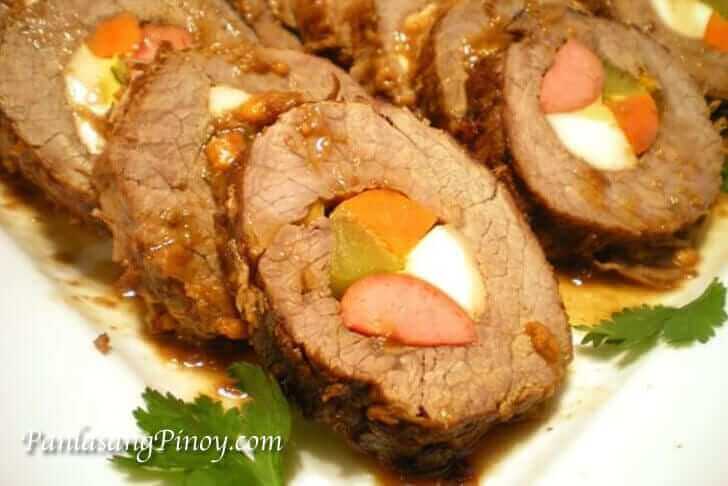
Image source: https://panlasangpinoy.com/beef-holiday-christmas-new-year-food-menu-morcon-recipe/
Pork Morcon as a Flavorful Media Noche Dish for a Long and Healthy Life
Pork Morcon feels like a special meal because of its careful preparation. The meat is flattened, seasoned, and rolled tightly with vegetables inside. Typical fillings include carrots, cheese, itlog na pula (salted egg), pickles, hotdogs, or sausage. Some cooks add a small can of tomato sauce to enrich the cooking liquid, while others rely on soy sauce and black pepper. The dish simmers slowly until the pork absorbs the flavor of the fillings.
The Symbolic Meaning Behind the Dish
Media Noche always favors dishes that symbolize long life. Morcon fits this idea because the rolled meat resembles a continuous form. Some households use beef to make the recipe more traditional, although pork versions are more common today. The flavor mixes savory, sweet, and acidic notes, which makes the dish suitable for either lunch or dinner, even beyond the holidays.
Morcon as a Showcase Dish in Gatherings
The rich sauce coats every slice of Morcon beautifully. Many Filipinos love how each cut reveals layers of vegetables and meat. When served beside rice or pasta, the Morcon transforms into a centerpiece meal. For families in suburban communities, including places with gatherings similar to those in Camella Homes subdivisions across Luzon, Morcon often represents generosity because it takes time and effort to prepare.
For New Year’s Eve, this dish reinforces intentions of a healthy life and prosperity. People welcome the coming year with something warm, filling, and visually appealing. Even children appreciate the sweet undertones of the sauce, while adults enjoy the balance created by the pickles and cheese.
Pinoy-Style Spaghetti for New Year’s Eve
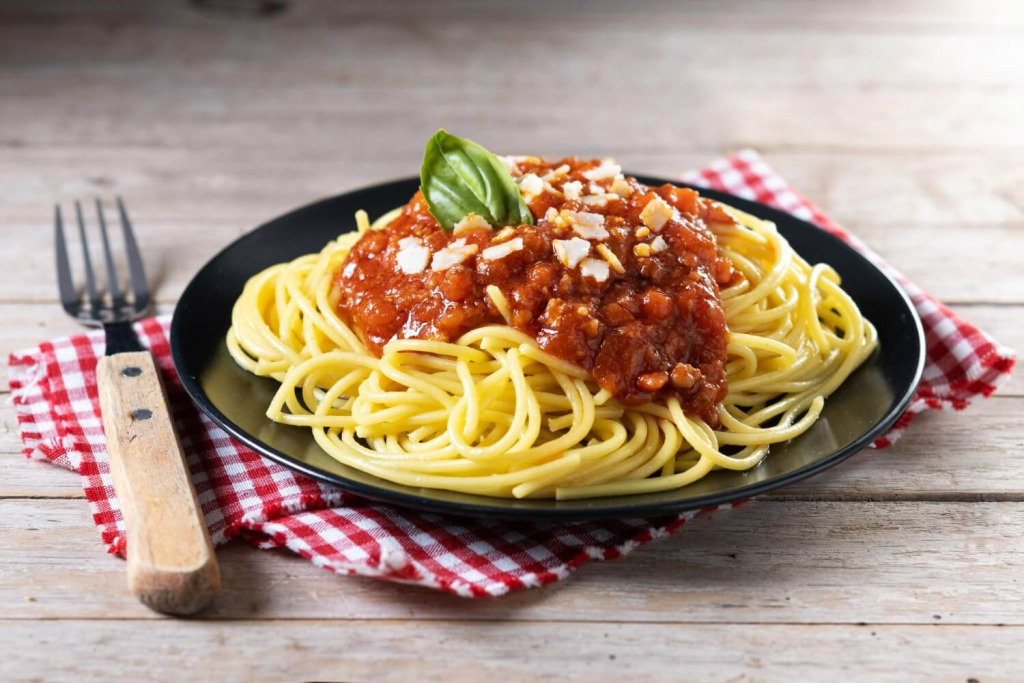
Pinoy-style spaghetti continues to dominate Filipino homes during both noche buena and New Year’s Eve celebrations. The sweetness of banana ketchup, the saltiness of grated cheese, and the richness of the sauce create a combination that feels nostalgic. Many households know that serving spaghetti means comfort. Every family has a pasta recipe they swear by. Some add ground pork, while others use sausage to enhance the flavor. A few Filipino cooks even mix a small can of liver spread into the sauce, creating a deeper profile.
How Families Prepare It for Sharing
The pasta dish also matches the belief that noodles bring long life. Filipino culture links any pasta or noodles on the table with wishes for growing opportunities in the coming year. Spaghetti arrives in large trays that neighbors can share. Even children who usually avoid vegetables eat generous servings because the sauce masks flavors they dislike. Parents rely on this meal when they need something easy to prepare during busy holidays filled with cooking, errands, and visits from friends.
Why It Stays a Media Noche Essential
The tomatoes, onion, garlic, and meat combine well with the cheese toppings sprinkled just before serving. A bowl of fresh fruit or fruit salad can sit beside the spaghetti to balance the sweetness. Families who celebrate outdoors place the spaghetti table near the drinks and desserts so people can conveniently refill their plates throughout the night. The meal tastes good both hot and at room temperature, which helps hosts focus on enjoying the celebration instead of returning to the kitchen repeatedly.
Pancit Malabon Noodles for Long Life in the Coming Year
This seafood-based flavor comes from shrimp, mussels, and sometimes squid bits added into the sauce. Many cooks use orange food coloring or annatto oil for the distinct look. Eggs, cabbage, and other vegetables become toppings that enrich the dish further. Some use toasted garlic, black pepper, spring onions, and fresh chili, while others add calamansi for brightness.
Why It Represents Long Life
Its noodles represent the length of life and opportunities for growth. Families serve it on large platters during New Year’s Eve, making it easy for everyone to take a portion. Some communities believe that cutting noodles short lessens good fortune for the new year, so cooks often keep the strands long.
The dish carries history from Malabon City, known for its rich seafood cooking traditions. The shrimp sauce gives the media noche table a strong, savory presence that complements sweet desserts or meat-based dishes.
Pancit Malabon in Neighborhood Celebrations
Because it tastes great even after sitting out during the busy holidays, people consider it one of the most dependable media noche dishes. Guests can return for seconds without worrying about the sauce becoming too thick or salty. Serving Pancit Malabon places a familiar and comforting symbol of Filipino culture at the center of the table.
Rellenong Bangus as a Fresh Seafood Food Option for New Year’s Eve Dinner
Rellenong Bangus requires time and patience because the process begins with carefully removing the fish meat from the skin. The fish is sautéed with onion, garlic, carrots, potatoes, and sometimes cabbage. Some cooks add raisins, chili, black pepper, soy sauce, or tomato to deepen the flavor. Once the mixture cools, it is placed back into the fish skin and cooked. Many families bake it or fry it in olive oil. Others deep fry the entire stuffed fish for a crisp result.
Why It Stands Out During Holidays
This seafood dish appeals to guests who prefer lighter meals during media noche or those who want an alternative to pork and chicken. The unique taste of Rellenong Bangus comes from the blend of sautéed vegetables and savory fish. The filling has a soft texture that contrasts with the skin. Many Filipino households also appreciate that the meal stretches well. A single stuffed bangus can feed several people, making it practical for New Year’s Eve when friends often arrive unexpectedly.
How Filipinos Serve and Share It
Because fish symbolizes prosperity in many Asian cultures, serving Rellenong Bangus on New Year’s Eve connects with hopes of money and abundance. The vibrant vegetables inside the fish also bring colour to the media noche spread. Some people serve this dish beside rice, while others pair it with a simple salad made of fresh tomatoes and onions.
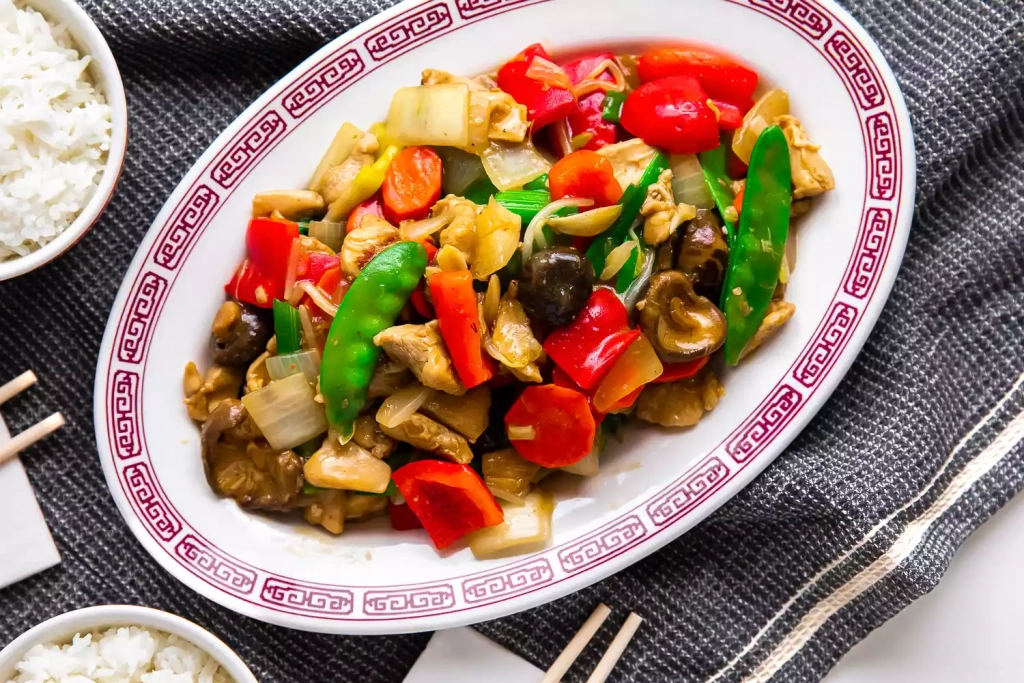
Image source: https://www.simplyrecipes.com/chop-suey-recipe-7229832
Chopsuey and Veggies That Surely Satisfy During the Holidays
Chopsuey brings nutrients and color to the media noche table. The mix often includes cabbage, carrot slices, cauliflower, bell peppers, green beans, and young corn. Some add chicken breast, shrimp, or pork to create more flavor. Others keep it vegetable-based to complement the heavier meals. The flavor depends on whether the cook uses soy sauce, oyster sauce, or a mixture of both. Adding black pepper or chili can enhance the dish’s aroma and depth.
Why Filipinos Serve It on New Year’s Eve
The vegetables used in Chopsuey represent a healthy life, which many Filipinos hope for in the coming year. Because the dish is light, it balances the richness of noodles, meat, and dessert. Families with children often mix the veggies into rice to encourage kids to eat them. The dish suits people who want something warm and colorful on the table without spending too much time cooking.
Chopsuey in Community Potlucks
During gatherings, Chopsuey becomes a meal that guests enjoy as a refreshing counterpoint to fried foods. The dish stays tasty even after it cools, making it ideal for long celebrations typical of New Year’s Eve. Chopsuey also reflects Filipino creativity because the recipe changes depending on what vegetables are available. The varied textures of the vegetables make it one of the dishes that surely satisfy guests with different preferences.
Fruit Salad As a Classic Media Noche Dish to Share With Neighbours
Fruit Salad has always been part of Filipino celebrations. The sweetness, creaminess, and cold temperature give guests a break from savory meals. The recipe uses fruit cocktail combined with all-purpose cream and condensed milk. Some households add fresh apples or grapes, while others prefer mangoes, nata de coco, or kaong. The balance of fruit, cream, and sweetness pairs well with heavier dishes on the media noche spread.
Why It Appears in Every Household
Many people prepare fruit salad a day before media noche to let the flavors develop. Some freeze the mixture slightly to create a firmer texture. Fruit Salad stands out because it is one of the desserts that people of all ages enjoy. The bright colours also complement the table decorations.
The fruit inside the dish holds symbolic meaning, especially round fruits associated with good fortune. Placing fruit on the table invites prosperity, and fruit salad supports this tradition in a more accessible way. Many cooks experiment with additional ingredients like coconut milk or even coffee jelly. A small can of condensed milk can change the sweetness, depending on personal preference.
Biko as a Sweet Dessert for New Beginnings in the New Year
Biko carries deep cultural meaning because sticky rice symbolizes unity. During media noche, families prepare this dessert using malagkit rice, coconut milk, and brown sugar. The mixture cooks slowly until thick. Once ready, the rice is topped with latik, which gives a nutty flavor. Biko fits both noche buena and media noche because it stays fresh for hours.
What Makes Biko a Celebration Staple
The dessert aligns with beliefs tied to new beginnings. Its sticky texture represents strong family ties for the coming year. People enjoy how simple the ingredients are. No complicated toppings or sauces are needed. Some cooks add a small amount of salt to balance the sweetness. Others mix in coconut strips to create texture.
Biko in Filipino Community Gatherings
Biko pairs well with coffee, making it ideal for late-night celebrations when guests gather after fireworks. Many community events in suburban neighborhoods serve Biko because it is easy to prepare in large pans. The dessert suits people who prefer something mildly sweet. Its humble appearance contrasts with its importance in Filipino culture. For New Year celebrations, Biko becomes a reminder that simple recipes hold long-lasting meaning.
Ube Cake as a Dessert Favorite to Welcome a Happy New Year
Ube Cake brings color and vibrance to any holiday table. Its purple hue stands out among the various dishes served during media noche. The cake uses mashed ube, flour, sugar, oil, and eggs. Many versions include grated cheese or whipped cream on top. Others use ube halaya for a deeper flavor.
Desserts play a big role in Filipino celebrations because they represent joy, abundance, and sweetness in the new year. Ube Cake fits this idea effortlessly. Its gentle flavor suits younger children, while adults appreciate the balance created by the cream. A slice goes well with coffee or hot chocolate after a large meal.
How Bakers Customize the Recipe
Some bakers add coconut milk or condensed milk to the frosting to adjust the texture. Others incorporate fruit pieces like mango or strawberry as toppings. The cake complements the savory meals served earlier in the evening. Its presence on the table assures guests that the celebration will end on a delightful note.
Ube Cake as a Symbol of Joy
Many Filipinos associate Ube Cake with gatherings of extended family. When neighbors visit to greet one another, a happy new year, they often encounter a platter of Ube Cake ready to share. Some bring home a slice wrapped in foil to enjoy the next day. The dessert’s flexibility makes it a favorite across regions.
Conclusion
Filipino media noche traditions revolve around generosity, community, and the joy of sharing food. Families prepare meals with care, knowing the table represents not only flavor but hopes tied to good fortune, healthy life, long life, and new beginnings. From noodles symbolizing prosperity to desserts reflecting sweetness for the coming year, each recipe tells a story.
Neighbors gather, share dishes, exchange greetings, post stories, and strengthen the bonds that make each celebration meaningful. Whether the table features fresh seafood, all-time pasta favorites, meat staples, vegetables, great dessert, cake, or fruit, the intention remains constant. People bring their best to the occasion because the new year invites reflection and renewal. When midnight arrives, Filipinos celebrate with full hearts and full tables, embracing another chapter surrounded by the flavors and friendships that define their culture.s