



The importance of Undas lies in what it keeps alive: the memory of the dead and the bonds of the living. Every November 1 and 2 (All Saints’ Day and All Souls’ Day), millions of Filipinos travel to their home provinces, gather at cemeteries, and spend a day or two with relatives they may see only once a year. More than a tradition and just a holiday on the calendar, undas is a Filipino way of reflection. It is a special holiday where the dearly departed are remembered by name and a family’s history is retold at the foot of a grave.
What is Undas and when is it celebrated?
Undas is the Filipino way of observing two Christian feasts: All Saints’ Day on November 1 and All Souls’ Day on November 2. Undas occurs every November 1 and 2 in the Philippines, and the two days bring much of the country to a standstill as families head to public cemeteries and memorial parks.
The meaning of the holiday is layered. The Church sets aside the first day for the saints and the second for the souls of the faithful departed, yet Filipinos treat the two dates as a single occasion. Undas is a celebration of life and legacy as much as a time of mourning. Many cemeteries feel closer to a fiesta than a funeral, a festive and colorful occasion with vendors, music, and children running between the rows. The mix of grief and gladness makes this unique tradition hard to compare with observances elsewhere.
Undas traditions and their pre-colonial beliefs
Undas traditions blend Catholic and pre-colonial Filipino beliefs, and the older layer is easy to overlook. Long before the Spanish arrived, communities across the archipelago honored their ancestors and believed the spirits of the dead continued to watch over the living. Ancestor worship formed part of the Filipino worldview, and offerings were made to keep the departed at peace and the household protected.
Catholicism did not erase these pre-colonial beliefs. It absorbed them into the two Christian feasts, and Undas in all its forms still carries both. Atang refers to food offerings for the deceased, a practice that dates to pre-colonial times and survives in the plate of food some families set aside for their dead. Pangangaluluwa, the custom of going house to house at night to sing and pray for souls in exchange for small offerings, continues in some regions. Both show how faith and older custom sit side by side without conflict.
Common practices during Undas celebrations
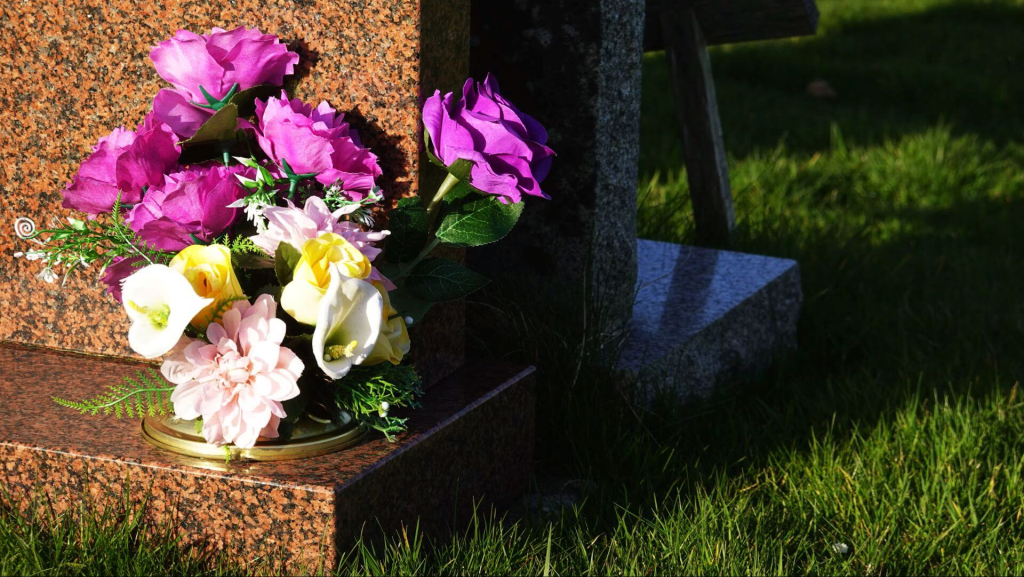
Families prepare days ahead. The most common practices begin with cleaning and decorating graves as part of Undas customs: tombs are scrubbed, repainted white, and cleared of weeds. Flowers are offered as symbols of love and beauty, and chrysanthemums, known as krisantemo, are among the most familiar sights.
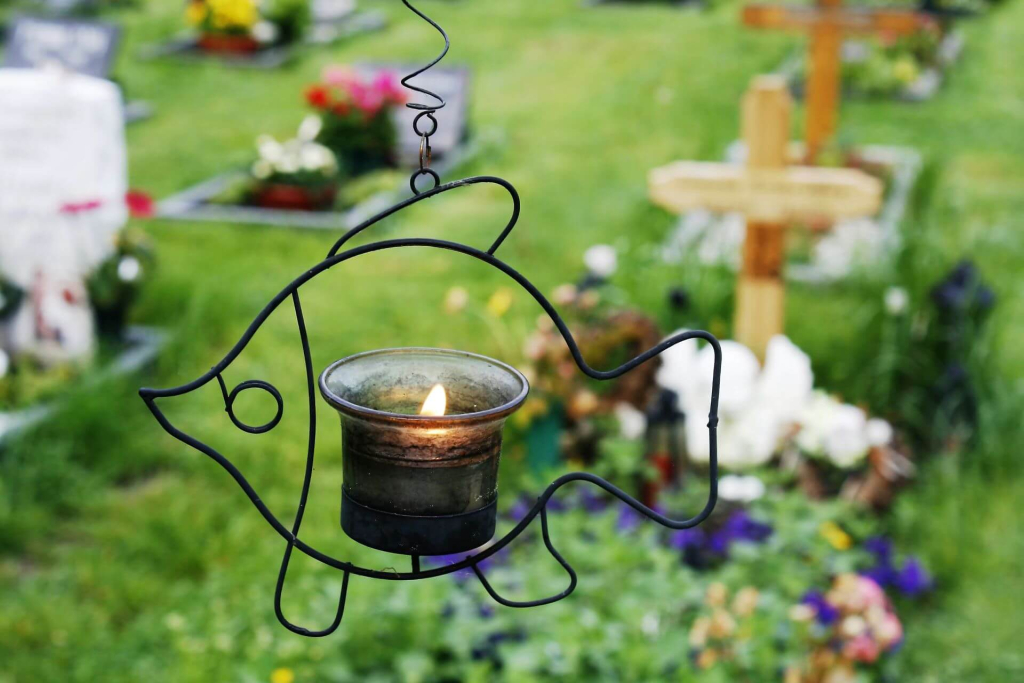
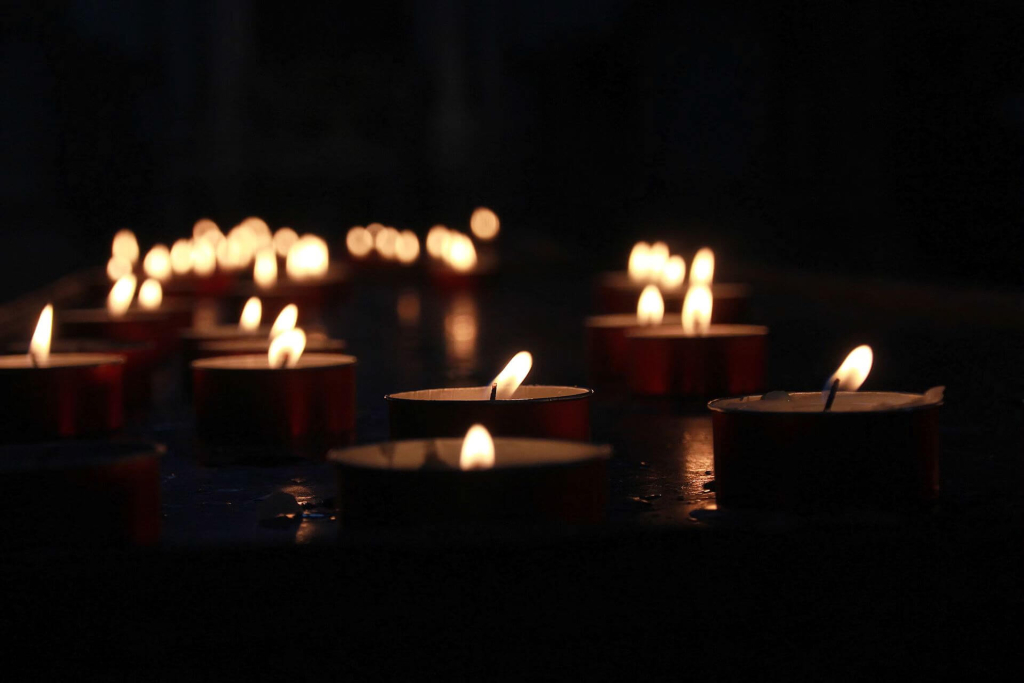
Candles come next. Families light candles at each grave, and by evening the cemetery glows. These candles are lit to symbolize hope for the departed, and they also stand for guidance, a small light for souls on their way. Prayers, novenas, and candle-lighting are common practices during Undas. Relatives offer prayers together, recite the rosary, or attend mass at the cemetery chapel, and families who lost someone recently may still be completing novenas for the dead.
For some, the visit lasts through the night. Families often camp overnight in cemeteries during Undas, especially in large public cemeteries such as Manila North Cemetery, setting up tents, mats, and folding tables beside the graves. The overnight stay is practical, since daytime crowds are heavy, and it stretches the visit into a long family day of conversation and rest.
Food sharing and the cemetery as a gathering place
Food sharing is a central feature of gatherings during Undas. Families bring food to the cemetery in wrapped containers and coolers: pancit, suman, biko, fried chicken, and packed rice. Plates are passed to neighboring families, and no one is turned away. Some households also set aside a portion as an offering for a dead person, which links the modern picnic to the older atang and other offerings made for the departed.
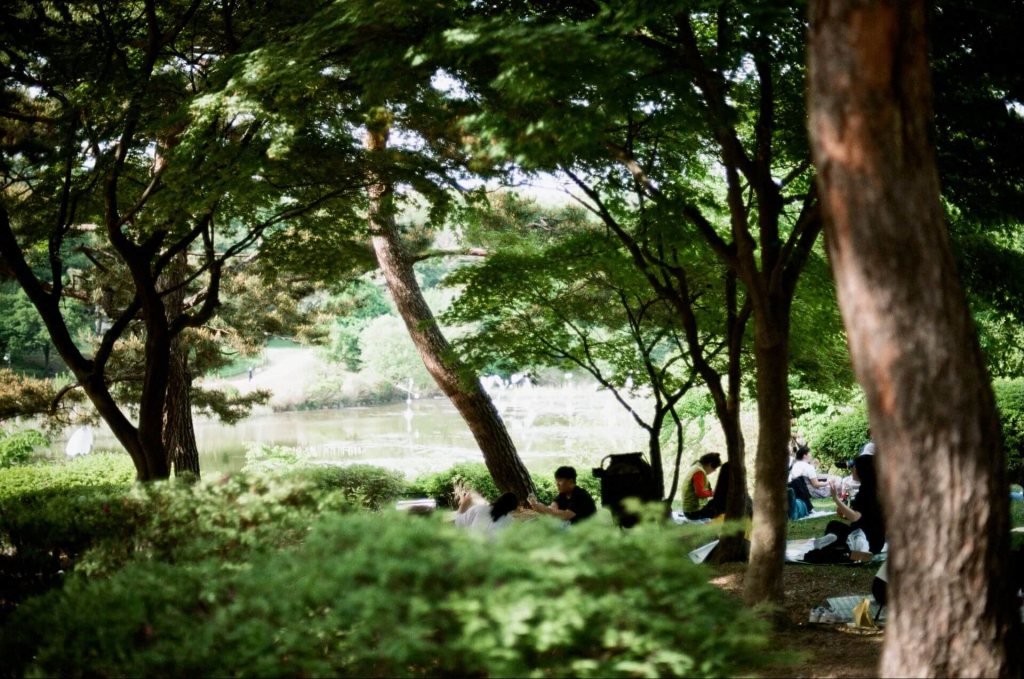
The cemetery becomes a colorful space for storytelling and sharing memories during Undas. Cousins who last met at a wedding catch up, and older relatives recall how a grandfather courted his wife or how a grandmother stretched a small budget. These family stories are rarely written down. At the grave they are told aloud, often with laughter, and they keep the deceased loved ones present in the conversation.
This way, Undas serves as a significant family reunion event in the Philippines as it draws together family members who live in different cities, provinces, or countries, and gives them a fixed date to return to.
The importance of Undas to Filipino values and family ties
Undas encapsulates the Filipino values of love, respect, and gratitude towards family. Love appears in the effort put into a single grave. Respect shows in how younger relatives greet their elders and stay silent during prayers. Gratitude is expressed in the time spent thanking those who came before. Together, they make the close family ties behind Filipino culture visible for anyone walking through a cemetery on November 1.
The communal spirit is just as clear. Families clean their own plots and then help neighbors, share tents, and lend candles when a neighbor runs short. That sense of shared responsibility is part of the Filipino spirit, and it turns a public cemetery into a temporary neighborhood.
A deeper observation sits underneath these acts. In many households, the dead are not treated as gone but as members of the extended family whose place is still recognized. Undas is a rare occasion when death is discussed openly, often with humor, and hope for the departed and for reunion sits alongside grief.
Teaching children the meaning of Undas
Children absorb the meaning of Undas by taking part in it. They learn empathy by participating in Undas traditions: carrying flowers, lighting a candle, or sitting beside an aunt who is crying. Undas teaches respect for elders and family unity, as children see adults set aside work and travel to be together. Visiting graves also teaches respect, since children are asked to greet, to pray, and to keep the site tidy.
Storytelling about ancestors also helps children connect with family history. A child who has only seen a name on a headstone begins to picture a person when an aunt describes his jokes, his cooking, or his work.
Parents can extend the lesson beyond the two days through efforts, such as:
- Memory books. Creating memory books allows children to express their connection to loved ones through drawings, photographs, recipes, and a few lines about what they remember.
- Home remembrance corners. A shelf with a framed photo, a small candle, and a vase of flowers helps children honor loved ones daily, and the child can refresh the flowers each week.
These small habits pass cultural heritage to future generations and keep remembrance from feeling like a chore.
Why Undas transcends time
Undas transcends time because it fits the way Filipinos live. Families visit memorial parks with paved paths and scheduled Masses. Overseas workers time their home leave to be present, and others join prayers by video call when travel is not possible. The place and manner differ, yet the core practice stays the same: remember loved ones, offer prayers, and light candles.
Celebrating Undas has also become more flexible for families who live far from the family plot. Some visit a few days early to avoid the crowds on November 1, while others hold a small gathering at home with a meal, a rosary, and photographs of those who have died. The scale is smaller, but the intent holds: to keep the names of the dead spoken and to give younger relatives a reason to sit with their elders for an afternoon.
Undas past and present share one purpose, which is to hand a family’s memory to the next person. That is why the observance holds steady across generations, and why faith, food, and stories continue to travel together.
Carrying the spirit of Undas into everyday family life
Undas gives Filipino families a yearly reason to stop, gather, and remember. The habits it builds, such as telling stories, honoring elders, and sharing food, belong to the other days of the year as well. A home with room for a family table, a corner for photographs, and space for relatives to stay gives those habits a place to continue.