



The coffee varieties grown in the Philippines are more varied than most drinkers realize, and each one tastes different depending on where it is planted. Few countries grow all four commercial species, which makes Philippine coffee far more interesting beyond the cup. This guide covers what is planted, where it thrives, and how it reaches Filipino kitchens. It also traces how a crop once lost to disease became part of a growing local coffee industry, and what that means for anyone who enjoys a daily brew at home.
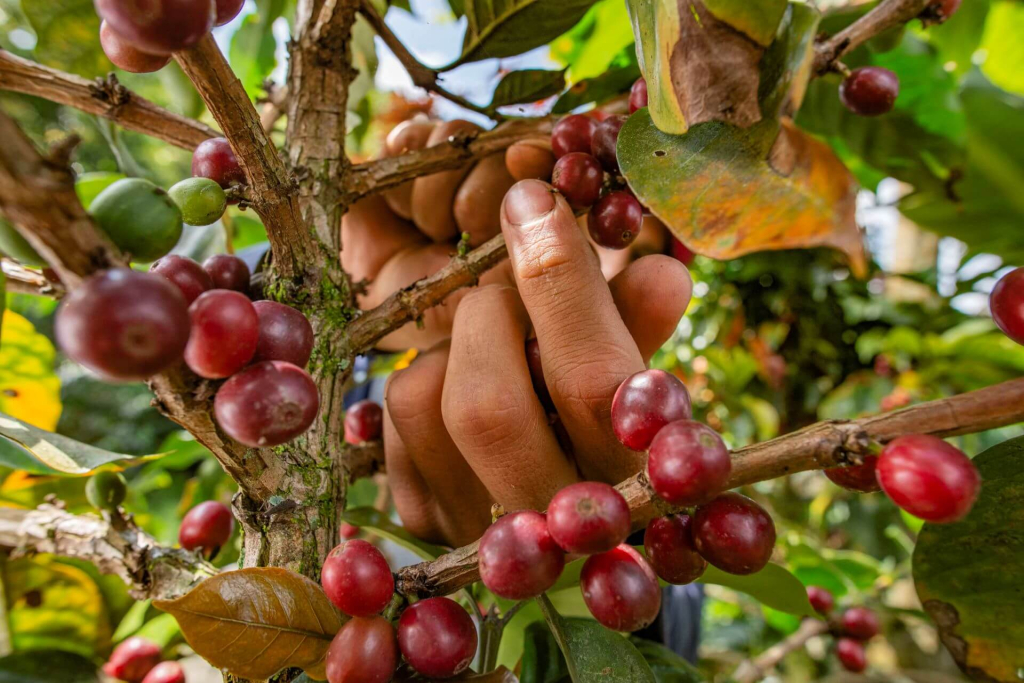
The four main coffee varieties grown in the Philippines
The Barista Magazine have long emphasized that the Philippines is one of the few countries where all four main varieties of coffee are cultivated: Robusta, Arabica, Excelsa, and Liberica. These are separate species with distinct needs, flavors, and uses. Knowing which is which helps when reading a bag label or ordering at a café.
Robusta
Robusta is the most commonly grown coffee variety in the country, and Mindanao accounts for about 80% of Philippine Robusta production. It thrives at lower elevations and in warmer areas, and its high caffeine content and resilience make it a common base for instant coffee and commercial blends. In the cup, it leans toward dark chocolate, the half, with floral notes in better-handled lots. Many drinkers who grew up on three-in-one sachets have likely been tasting Robusta for years without knowing it.
Arabica
Arabica is the variety most associated with specialty coffee. Philippine Arabica generally offers flavors of chocolate, nuts, and caramel, with a smoother body than Robusta. The trees are delicate and need cooler air and careful management, which raises the cost of growing them. Benguet is recognized for high-quality Arabica coffee production, and its cups often carry vibrant citrus and fresh fruit notes. Arabica beans tend to be the ones sold under a farm or town name.
Liberica
Liberica is locally known as kapeng barako. It has a strong aroma, berry-like sweetness, and chocolate notes in a bold body. Some older Batangas households also call it kapeng Tagalog. The trees grow tall and produce large, irregularly shaped cherries, and local roasters often sell the beans whole. It remains a point of local pride, and many Filipinos who live abroad often look for a bag of barako to bring home.
Excelsa
Excelsa accounts for about 15% of the country’s production. It is often treated as its own species, although botanists have also classified it as a variety of Liberica. It has a tart, fruity flavor profile and is often used to add complexity to coffee blends, giving a sharp, fruity body and dark notes. On its own it can taste unusual, which is why roasters tend to use it as a supporting player rather than the main bean.
How elevation and geography shape the flavor profile
The varying topography of the Philippines allows for diverse coffee cultivation across different regions. Altitude, temperature, and rainfall all influence how a bean develops.
Arabica prefers high-altitude environments, generally around 900 to 1,800 meters above sea level. At higher elevations, cooler nights slow the ripening of the cherry, which builds sugars and acidity. Cups from the mountainous region of the Cordillera therefore often taste brighter and more layered. Robusta is comfortable near sea level and in humid lowlands, where it grows faster and yields more per tree. Cooler highlands produce most of the Arabica, while warmer lowlands and mid-slopes carry Robusta, Liberica, and Excelsa.
Soil matters as well. Volcanic soils around Batangas and parts of Mindanao are rich in minerals, and shade trees planted between rows protect young coffee trees from harsh sun. Because of these requirements, two farms a few valleys apart can therefore produce noticeably different beans.
Where coffee is grown: from Batangas to Sultan Kudarat
Coffee farms are spread across Luzon, the Visayas, and Mindanao, but a few provinces stand out.
Batangas was the Philippines’ first coffee capital. Planting took off there in the 19th century, and towns such as Lipa became known for their plantations. The province is still linked to kapeng barako, and many locals in Batangas and nearby Cavite drink it as an everyday cup. Manila, a few hours away, was the natural market for the crop.
Sultan Kudarat is the top coffee producer in Mindanao. Because Mindanao accounts for most Robusta output, the province is central to the volume side of the industry, supplying processors and instant coffee makers. Other parts of the southern Philippines, including the slopes around Mount Apo and Bukidnon, also grow coffee, and some upland farms produce Arabica as well.
Benguet, in the Cordillera, is the country’s best-known Arabica country. Its cool mountain air and steady rainfall suit the trees, and its highland farms are small, often family-run, and focused on quality over volume. Nearby Sagada and Kalinga are also gaining attention for their Arabica.
A short history of Philippine coffee
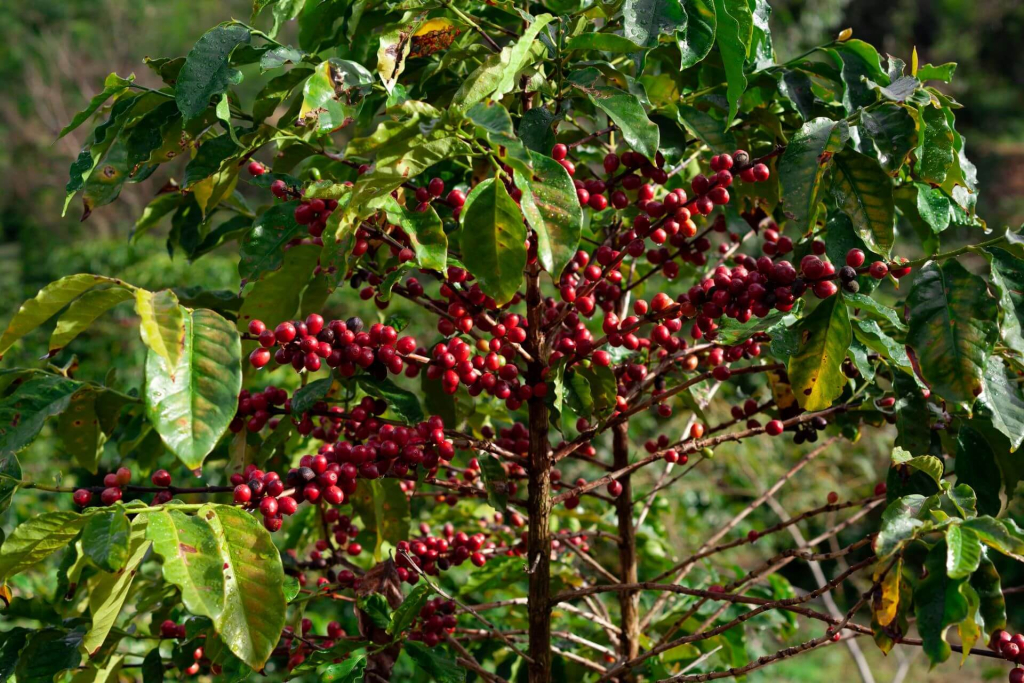
Coffee arrived during Spanish colonial rule and spread quickly through Batangas. By 1880, the Philippines was the fourth largest coffee exporter in the world market, a remarkable position for an archipelago with no earlier reputation in the trade.
That success ended abruptly. A coffee rust outbreak in 1889 destroyed most Philippine coffee trees, and by 1891 production had dropped to one-sixth of its previous levels. Coffee rust is a fungal disease that attacks the leaves, and Arabica was especially vulnerable. Liberica was then widely cultivated in Batangas after the rust epidemic affected Arabica plantations, because it tolerated the disease better. That is why kapeng barako became the signature Batangas brew.
Liberica originated in West Africa, and Robusta and Arabica also came from African forests, so Philippine coffee is essentially an imported species that adapted to local soil. The country joined the International Coffee Organization in 1980, and by 2002 Philippine coffee consumption reached 75,000 metric tons. That shows how firmly coffee had become part of daily life, even as exports never returned to their 1880 peak.
From coffee farms to the cup
Between the tree and the mug, coffee passes through several steps that shape its taste. Farmers pick the cherries by hand when ripe, since unripe fruit adds sourness. The cherries are then processed by removing the fruit and drying the beans, either after washing them or with the fruit still attached. Washed lots usually taste cleaner and brighter, while natural lots lean fruitier and heavier.
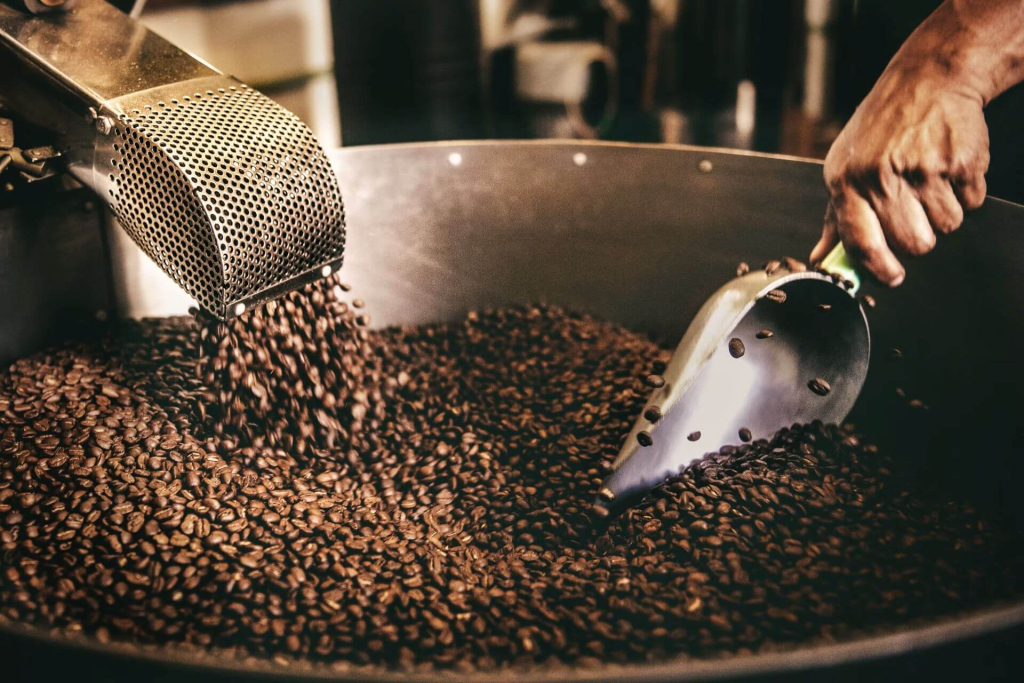
Dried beans are milled, sorted, and sold to roasters. Roasting is where a bean’s flavor is decided: lighter roasts keep the citrus and fruit notes of Benguet Arabica, while darker roasts bring out the chocolate and smoky tones that suit Robusta and barako. Freshness matters too, since ground coffee loses aroma within days. For small farms, each of these steps is a chance to earn more per kilo, which is why so many growers are now investing in their own drying beds and processing equipment.
The modern coffee industry and the rise of specialty coffee
Today, Philippine coffee includes both high-value specialty coffee and lower-cost commercial varieties. The commercial side, mostly Robusta, feeds the high demand for instant coffee and packaged three-in-one sachets. The specialty side is smaller but growing, driven by roasters, cafés, and buyers who want traceable beans.
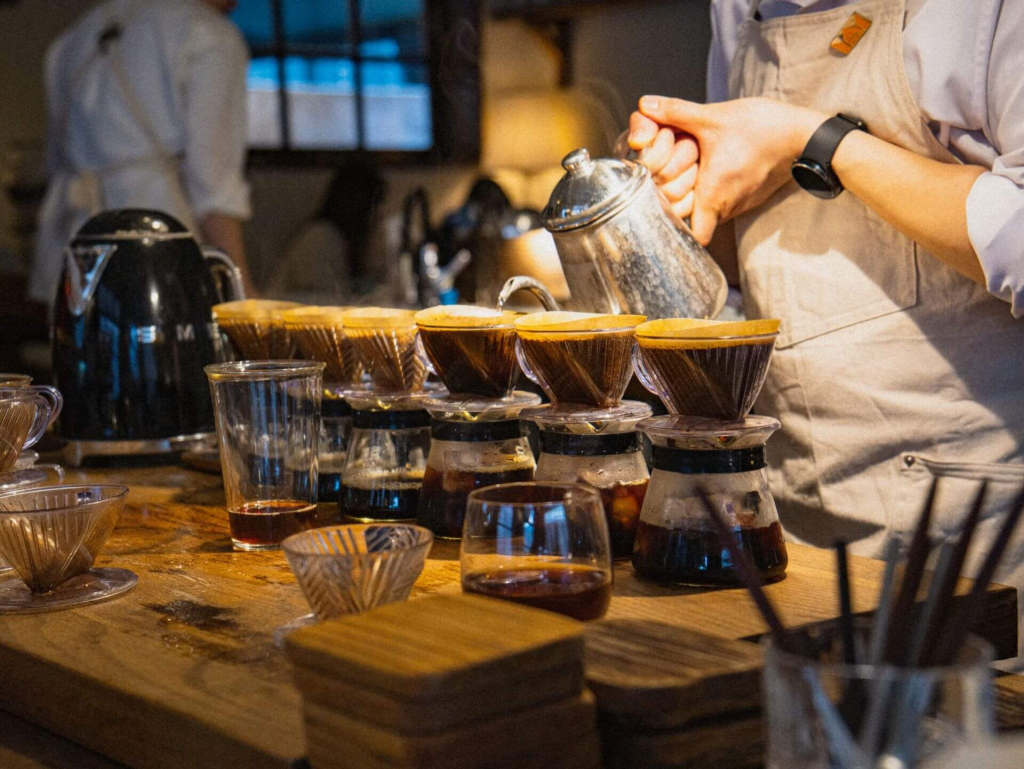
Philippine specialty coffee is now easy to find beyond Manila. Third wave coffee shops highlight single-origin beans from named farms, and baristas pull espresso shots from Benguet Arabica or serve pour-overs that bring out fruity notes and citrus. This gives local farmers a route to sell their best lots at higher prices.
The Philippine Coffee Board works with growers, processors, and the Philippine government on quality, farmer training, and market access. Coffee competes with other crops like coconut, rice, and bananas in Philippine agriculture, so steady demand and better prices matter to farmers deciding what to plant. Coffee rust remains a threat, and aging coffee trees produce less than they once did, which makes replanting and better cultivation practices priorities for the industry. Coffee’s future here depends on farmers earning enough to keep planting it.
Bringing Filipino coffee home
Knowing the differences makes everyday drinking more deliberate. Kapeng barako suits a slow weekend morning, while Benguet Arabica works for a lighter afternoon brew. A Robusta-forward blend holds up well with milk and sugar, and Excelsa blends add a tart edge some drinkers come to prefer.
Buy whole beans in small amounts, store them in an airtight container away from sunlight, and grind just before brewing. A simple pour-over set or French press is enough to bring out the flavor of a good bean. Buying from local roasters and small farms also keeps more of the value with the people who plant and harvest the crop, and it lets you try a different region each month.