




Learning how to create a peaceful home usually starts smaller than people expect. It’s not a renovation, but a handful of habits repeated daily. For many Filipino households juggling work, school runs, and the noise of everyday life, a peaceful home isn’t the absence of activity. It’s a peaceful space that recovers quickly after a busy day, where you feel relaxed and stress-free, where clutter doesn’t pile up unchecked, and where conversations don’t have to compete with chaos. The good news is that most of what makes a home feel peaceful costs little and takes even less time to start.
Steps to achieve a peaceful home environment
Follow these simple tips and sequence to build a peaceful home environment, one habit at a time.
Clearing the clutter first
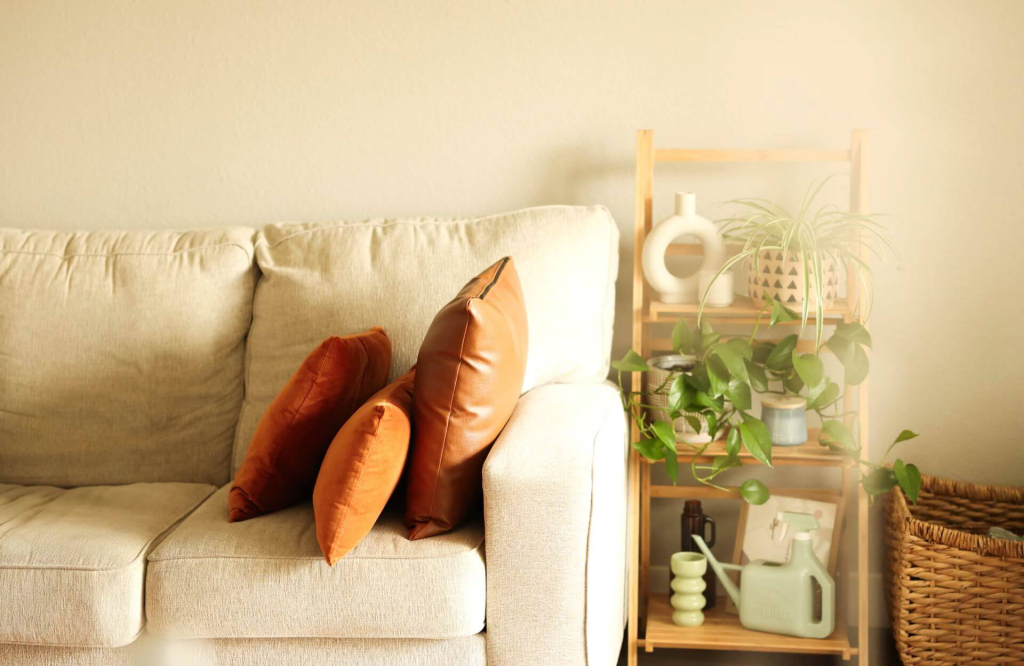
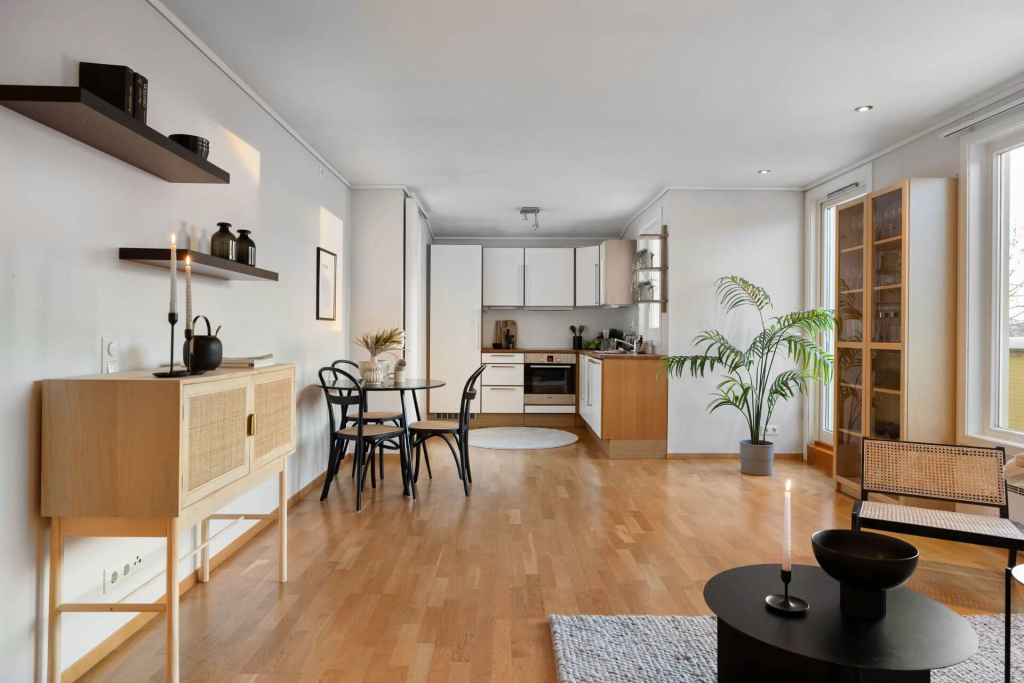
Clutter is often the first thing that makes a home feel unsettled, even before anyone can say why. As soon as you enter the main door after a busy day at work, it seems that you are leaving one chaotic space for another. A messy home pulls attention in too many directions at once, and that constant visual noise can quietly wear down focus over the course of a day. Research on attention and environment has long shown that clutter can negatively impact mental well-being, making a tidy home feel less like a preference and more like a practical need for self care. It is best to rid yourself of unwanted visual noise early- remove the little things that can eventually pile up and reach a point when it is already a giant mess that can cause stress.
Organizing items with a designated home — a hook for keys, a tray for mail, a basket for shoes — is very helpful as it reduces the daily decision fatigue of searching for things. A simple decluttering routine, even ten minutes before going to bed at night, keeps a living space from becoming overwhelming again. Beyond the obvious visual relief, reducing clutter has been linked to sharper focus and better productivity, especially for households where a corner of the sala doubles as a workspace. Clear surfaces alone can lower visual stress, which is part of why a tidy home makes so much sense and often leads to a calmer mind.
Letting natural light do the work
Natural light plays a bigger role in mood than most people realize. Letting natural light into a room in the morning helps regulate sleep and mood by supporting the body’s internal clock, which is one reason a sunlit breakfast nook feels different from a shaded one. For homes with limited window access, even pulling curtains fully open or repositioning furniture away from a blocked window can make a noticeable difference.
In the evening, swapping harsh, white bulbs for warm-toned lights changes the feel of a home instantly. A soft glow from a single lamp instead of an overhead light signals to the body that the day is winding down, which supports better rest. This kind of warm lighting in the evening is a small, low-cost shift in decor that consistently shows up in conversations about home comfort and it pairs well with the natural light strategy used earlier in the day.
Scents that settle the mind
Aromatherapy is one of the lowest-effort ways to create peace at home, and it’s a favorite in households already familiar with the calming ritual of lighting scented candles after dinner. Certain scents evoke specific emotions almost immediately: citrus tends to energize, while lavender is widely used to promote relaxation before bedtime. This is why diffusing lavender in a bedroom, even briefly before sleep, is a common recommendation for a more peaceful home.
Aromatherapy scents can influence mood and behavior over time, not just in the moment they’re used. Other examples include a candle lit during a stressful afternoon, or a diffuser running quietly in a meditation room or reading corner, requires minimal effort but can shift the emotional tone of a space. For families new to the habit, starting with one scent in one room is often enough to notice a difference.
Sounds that soften the day
Acoustic elements matter just as much as what a home looks or smells like. Playing music with minimal effort — a speaker in the kitchen, a playlist during dinner prep — can relieve stress and deepen relaxation without requiring anyone to sit still or meditate. Chill music in particular creates a calm undertone that makes ordinary chores feel less like a chore.
Soothing background music also helps create different moods depending on the time of day: something upbeat but gentle in the morning, something slower in the evening. For households with young children, this can double as a helpful transition cue, signaling that it’s time to wind down before dinner or bed.
Bringing nature indoors
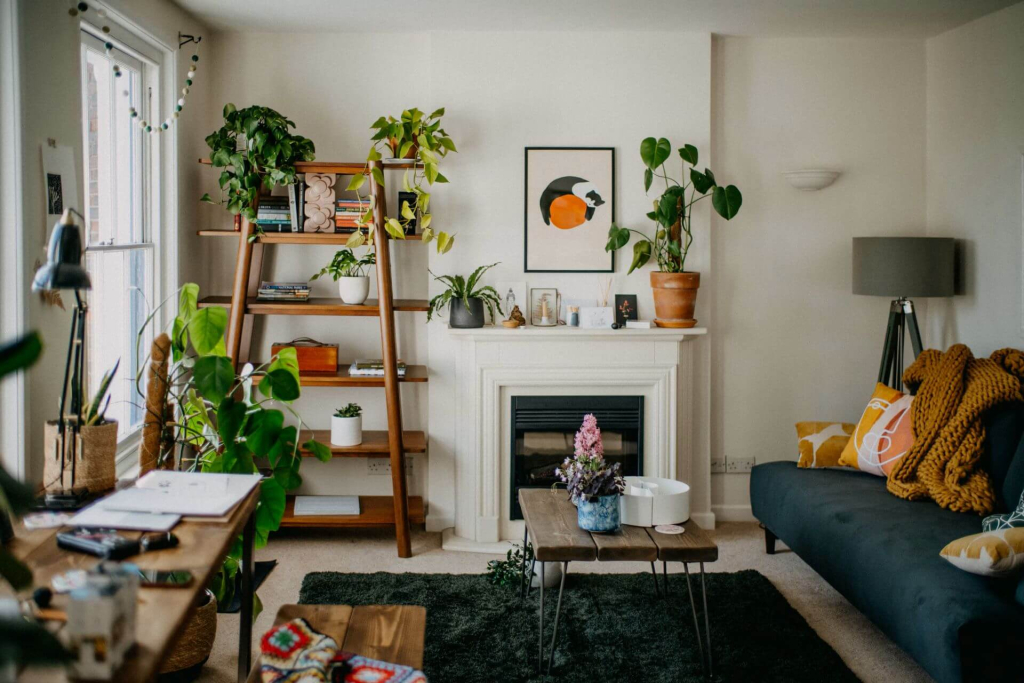
Plants are one of the simplest, most visible ways to bring nature into a home. To create space for one or two plants can reduce stress and improve mental health, and houseplants such as pothos or snake plants are known to help purify indoor air of common toxins. Beyond the wellness angle, plants have also been associated with better productivity and fewer sick days in households and offices alike.
A single plant on a windowsill, taking advantage of natural light already flowing in, is often enough to start. Fresh air matters here too, so cracking a window for even a short period each day supports the same air-quality goals that plants contribute to indoors.
Making room for family and connection
A peaceful home isn’t only about the physical space. It’s also about how people treat each other inside it. Positive parenting approaches, like choosing patience over punishment or calm redirection over raised voices, foster more peaceful parent-child relationships over time. Sibling relationships require intentional work too, since close quarters and shared toys can just as easily produce friction as fun.
A peaceful home fosters genuine connection and better social bonds within the family, but that doesn’t happen by accident. Screen-free areas, such as the dining table or a shared reading corner, help protect the kind of relaxation and connection that’s hard to get when everyone is on a different device. Tech-free boundaries in the evening, like no phones an hour before bed, for instance, have also been linked to improved sleep and stronger family connection, giving kids and parents alike a small daily window for real conversation.
Small personal touches that add up
Beyond decluttering, light, scent, sound, and family habits, a few smaller details round out a peaceful home. Soft textiles, such as a throw blanket, floor cushions, a rug underfoot, create a warm and inviting atmosphere that hard surfaces alone can’t provide. Using natural materials like wood, rattan, or cotton instead of synthetic finishes connects a space with nature in a way that feels comfortable, echoing the woven and wood-based textures common in many homes.
Creating a personal calm corner, even a small one, supports mental health by giving each family member a retreat that’s entirely their own. Some households apply light feng shui principles here, such as keeping the space near a window or away from clutter, as a physical reminder to slow down. A daily reset as simple as five minutes spent returning items to their place prevents clutter from creeping back in and keeps the rest of these habits from unraveling by the weekend.
Small steps that make real difference
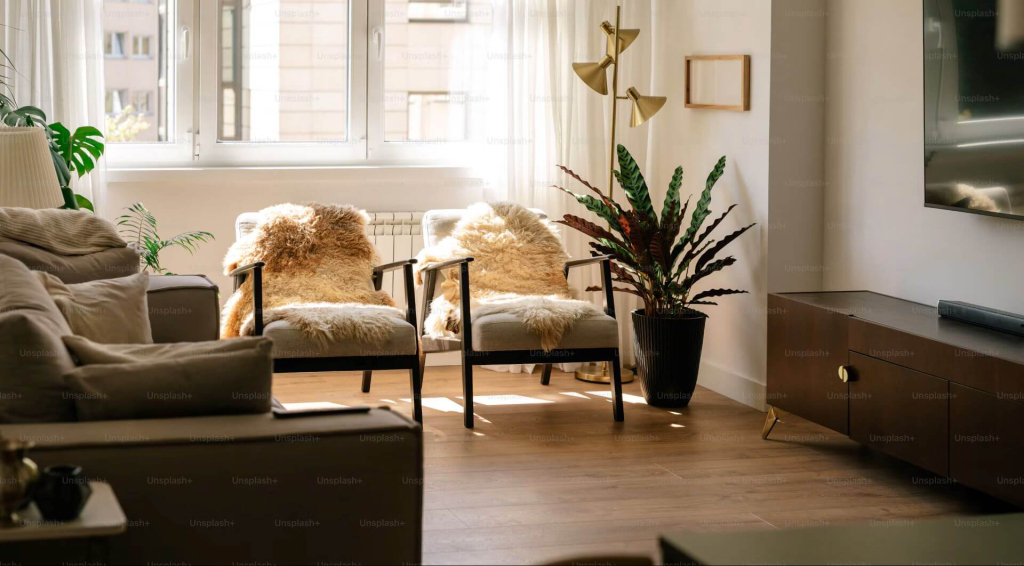
None of these habits require a home overhaul. A peaceful home tends to come from layering small, repeatable choices — clearing a surface, opening a curtain, lighting a candle, turning off a screen at dinner — until they become part of daily life rather than a special occasion. Winter months abroad may call for extra warmth and light, but in the Philippines, the same principles apply year-round: less stuff competing for attention, more room for rest, mood, and each other. Learning how to create a peaceful home is less a project with an end date and more a habit that keeps paying off.
Find a home built for peace. Camella communities are designed with space, natural light, and everyday comfort in mind, helping families create the calm, connected home life they’ve been hoping for.