



As families grow and generations live together, creating a home environment that supports older adults becomes increasingly important.
Beyond comfortable interiors, access to green spaces, fresh air, and safe outdoor areas can contribute to a healthier and more enjoyable lifestyle.
The benefits of open spaces for senior citizens go beyond recreation. Well-planned outdoor environments can encourage movement, provide opportunities for social interaction, and support mental well-being. For families considering senior living, accessible open spaces can be an important part of creating a comfortable and inclusive home environment.
The Connection Between Open Spaces and Senior Well-Being
Spending time in a natural environment can give older adults an opportunity to step away from the routines and limitations of indoor living.
Being surrounded by natural surroundings can provide a sense of calm while encouraging people to spend time outdoors, leading to positive mental health outcomes.
Research examining the relationship between nature access and overall health and well-being has associated access to green spaces with various physical and psychological benefits, although outcomes can vary depending on the environment and individual circumstances.
These findings have contributed to growing interest in both open and urban green space access as part of healthy communities. In fact, there are increasingly more physical activities that are outdoor activities versus indoor ones.
For families, this means that having nearby green spaces can complement other aspects of a senior’s lifestyle and contribute to their overall well-being and quality of life.
3 Key Benefits of Open, Green Spaces for Senior Living
Nearby green spaces shape how older adults spend their daily life. For one, older adults who spend time outdoors or in natural settings have a better overall quality of life.
When you create accessible green spaces for older adults, they gain numerous physical and mental health benefits. Plus, they also get much-needed social interactions while they enjoy nature.
Here are some of the key benefits of green spaces and outdoor activities for healthy aging:

Image source: https://www.magnific.com/free-photo/full-shot-old-people-stretching-together_5200577.htm
1. Encouraging Physical Activity
One of the clearest advantages of accessible outdoor spaces is that they can encourage physical activity. Older adults may benefit from gentle activities such as walking (or group walks for added social benefits), stretching, gardening, or light outdoor exercises.
Accessible walking paths are particularly valuable in senior living. Smooth, well-maintained paths with appropriate slopes, seating areas, and adequate lighting can make it easier for older adults to move around independently and encourage physical activity. Families should also consider whether outdoor areas can accommodate mobility aids such as walkers or wheelchairs. You should always take mobility challenges into account when thinking about older adults’ quality of life.
Regular movement and physical exercise can support physical health, mobility, cognitive function, and reduce the risk of cardiovascular diseases. Participating in these outdoor activities can also help older adults maintain a healthy weight and blood pressure, which both play a critical role in
While individual needs vary, encouraging older adults to remain active can be an important component of healthy aging.
2. Supporting Mental Health and Emotional Well-Being
The advantages of open spaces are not limited to physical activity. There are also potential mental health benefits associated with spending time in nature and having access to pleasant outdoor environments.
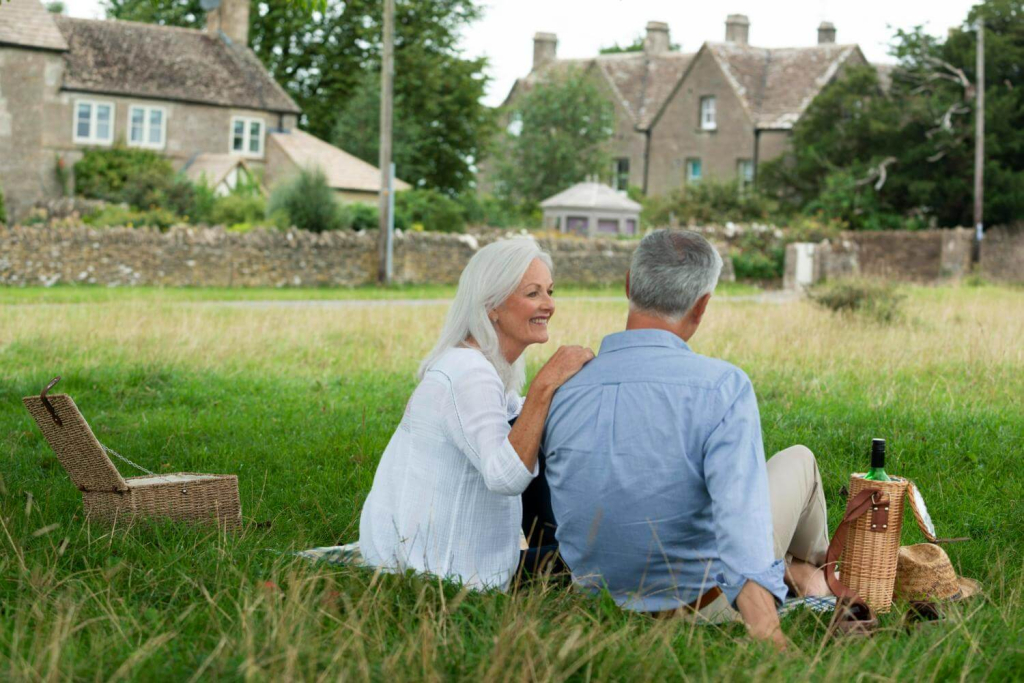
Green surroundings can provide opportunities for quiet reflection, stress reduction, and relaxation. A peaceful garden or shaded seating area can give older adults a place to unwind and enjoy nature without needing to travel far from home.
These experiences can support mental health, emotional health, and personal well-being. It also helps them maintain a positive attitude. For seniors who spend much of their day indoors, even a short amount of time spent outdoors can provide a welcome change of scenery and further exploration, whether that’s internally or literally in a natural environment.
3. Creating Opportunities for Social Interaction
Open spaces can also help older adults maintain important social connections. Community gardens, parks, walking paths, and shared outdoor areas foster social connections. They provide natural settings for residents and family members to interact.
Simple activities such as group walks, gardening clubs, or community events can encourage social engagement, which helps decrease the risk of cognitive decline. There have been multiple studies focused on the relationship between social interaction and cognitive health. Comprehensive reviews across these public health research pieces have shown how social connections enhance cognitive function in older adults. For those in senior living with adequate social engagement, health outcomes are much better, including a reduced risk of dementia and cognitive decline.
These outdoor activities and social gatherings may also help older adults connect with neighbors and community members from different generations.
Strong social relationships can contribute to life satisfaction and overall well-being. By providing welcoming places for social gatherings, communities can create opportunities for older adults to remain socially connected rather than isolated.
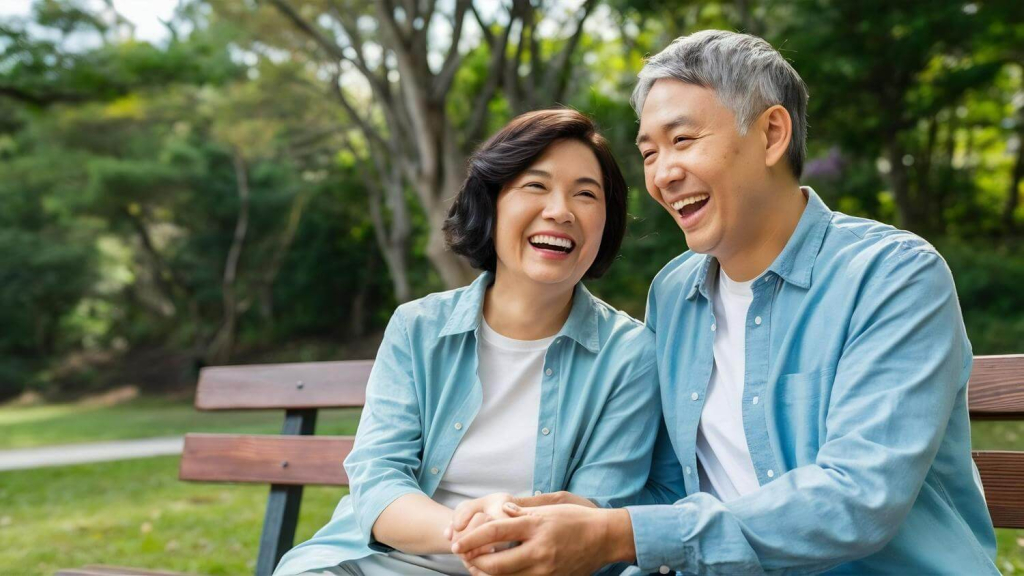
Image source: https://www.magnific.com/premium-ai-image/happy-asian-senior-couple-laughing-smiling-while-sitting-park_190866249.htm
Designing Accessible Green Spaces for Older Adults
Simply having a park or garden and calling it “green space” is not enough.
To maximize the benefits of open spaces for older adults, communities should create accessible green spaces that consider different levels of mobility challenges.
Accessible green spaces can include paved walking paths, benches placed at regular intervals, ramps, shaded areas, clear signage, and adequate lighting. Poor lighting, uneven surfaces, or difficult-to-navigate pathways can discourage seniors from using outdoor areas and being in natural environments.
Thoughtful design can create an inclusive environment where older adults, younger generations, and people with different mobility needs can enjoy the same spaces.
While natural spaces in local parks and other open-air spaces are great, urban green spaces are just as beneficial to older adults’ health and quality of life. You can still promote health, foster social connections, and encourage physical activity in urban settings.
The Role of Nature in Healthy Aging
As people age, maintaining independence and a good quality of life becomes increasingly important. Access to natural spaces can support this goal by giving older adults more opportunities to move, relax, socialize, and engage with their surroundings.
Some studies have explored connections between exposure to green environments and outcomes involving stress, cognitive function, and cardiovascular health. However, further research is still needed to better understand exactly how green spaces influence different aspects of older adults’ health.
The existing research nevertheless highlights the potential role that nature access can play alongside other factors such as exercise, nutrition, healthcare, and social support.
How Green Space Benefits the Whole Family
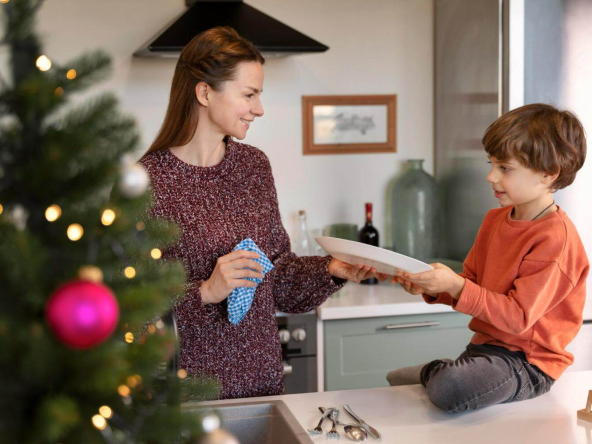
Although this article focuses on older adults, accessible outdoor spaces can benefit the entire household. Children can play, parents can exercise, and grandparents can relax or participate in family activities.
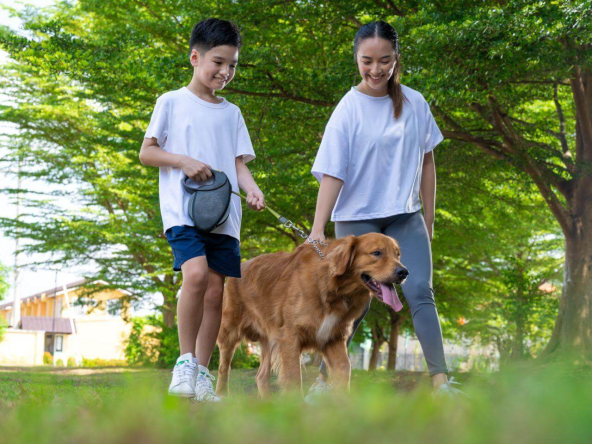
Open spaces can also help bridge younger generations to older adults. A family can take a walk together, spend an afternoon gardening, or simply sit outdoors and talk. These shared experiences can strengthen relationships and create meaningful memories.
In this way, green space use becomes part of everyday family life rather than something reserved for special occasions.
Why Open Spaces Matter in Residential Communities
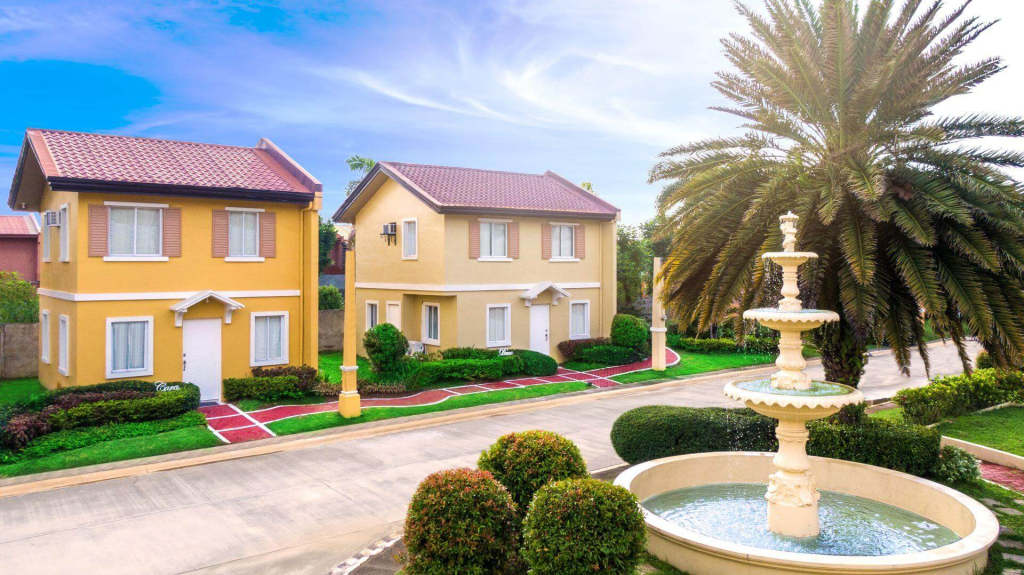
As urban environments become more developed, access to nature becomes an increasingly important consideration in sustainable urban development. Residential communities that incorporate parks, gardens, walking paths, and other outdoor areas can provide residents with convenient opportunities to connect with the natural world.
For older adults, these spaces can play a particularly important role. They can support physical activity, relaxation, social connections, emotional health, and independence while making the surrounding community more pleasant for everyone.
This is why nature access should be considered alongside housing, transportation, healthcare, and other factors when planning communities for an aging population.
Making Open Spaces Part of Daily Life
Families do not necessarily need expansive local parks to enjoy the benefits of the natural world. A shaded garden, small neighborhood park, walking path, or landscaped open area can provide opportunities to enjoy fresh air and natural surroundings.
What matters is accessibility and consistency. When outdoor spaces are nearby, safe, comfortable, and easy to navigate, they are more likely to become part of daily life.
For older adults, having the option to step outside, take a short walk, meet a neighbor, or simply enjoy nature can make a meaningful difference in their everyday experience.
Discover Thoughtfully Planned Green Spaces with Camella
At Camella, thoughtfully planned communities are designed to provide more than comfortable homes.
Open areas, green spaces, landscaped surroundings, recreational facilities, and community spaces can help create an environment where families of different generations can enjoy a balanced lifestyle.
For families with older adults, having accessible outdoor areas nearby can provide opportunities to stay active, socialize, relax, and enjoy nature close to home. These green spaces can complement the comfort of the home while supporting the physical and mental health needs of family members.
Choosing a home is ultimately about more than the house itself. It’s also about the environment surrounding it and the opportunities it provides for life satisfaction, both for younger generations and older adults.
With Camella, families can find communities designed to make everyday living more comfortable, connected, and supportive of overall health and well-being.