



Image source: https://www.threads.com/@fedoctorreyes/post/DMu_bjqJMb5/nilubyan-dayta-iniruban-nga-ingkiwar-gitta-ti-niyog-ken-asukar
Tarlac is a province in Central Luzon known for its agricultural landscapes, rich cultural heritage, and communities shaped by different influences from neighboring provinces.
Located between Pampanga, Pangasinan, and Nueva Ecija, Tarlac has developed a food culture that reflects its diverse history and agricultural roots. We have been seeing more and more posts about the burgeoning dining scene in Central Luzon, particularly, Tarlac.
Rice, coconut, sugar, and other locally available ingredients have long influenced the province’s cuisine. The movement of Kapampangan and Ilocano communities into the area also helped shape its culinary traditions. As a result, many Tarlac delicacies combine familiar Philippine flavors with preparation methods passed down through generations.
5 Must-Try Delicacies in Tarlac
If you are visiting the province for the first time, exploring its traditional food is one of the best ways to understand its culture.
From sticky rice cakes to creamy milk-based desserts and savory dishes, here are some of the must-try delicacies in Tarlac.
1. Iniruban: A Traditional Rice Cake from Camiling
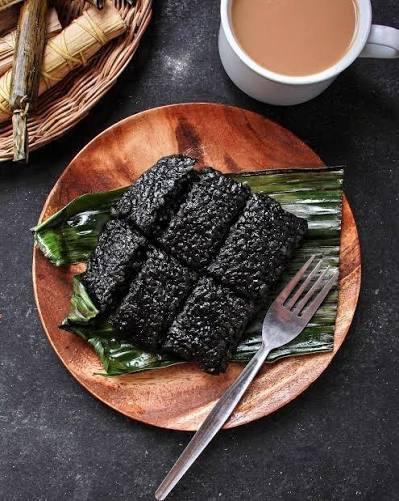
One of the best-known delicacies in Tarlac is iniruban, also called nilubyan. This traditional rice cake originated in the town of Camiling and is closely associated with the province’s culinary heritage.
Iniruban is made using young sticky rice, coconut milk, and a sweetener, which is usually sugar or tagapulot, a form of hardened sugarcane molasses. The preparation gives the dessert a distinctive color, texture, and sweet, earthy taste.
For many local people, iniruban is more than a snack. It represents a traditional way of using ingredients readily available in an agricultural community.
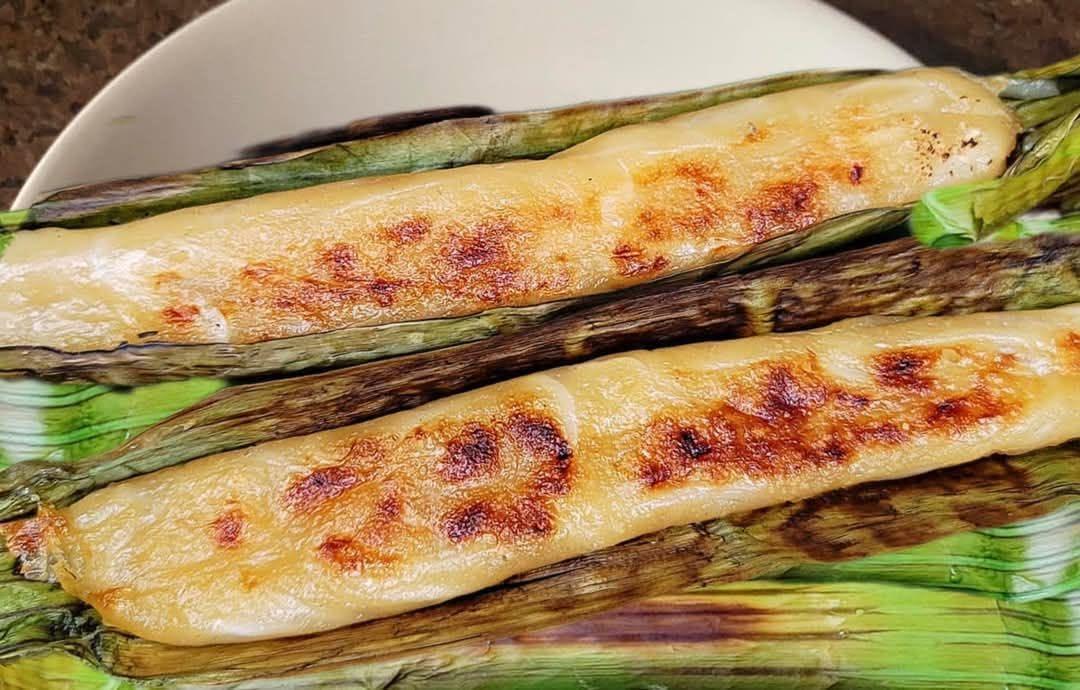
Image source: https://www.facebook.com/groups/1938711352882510/posts/9100798340007073/
2. Tupig: A Sweet and Smoky Favorite
Tupig is another famous local delicacy associated with both Tarlac and neighboring Pangasinan. This chewy treat is made from glutinous rice flour, young coconut meat, coconut milk, and a sweetener such as sugar or molasses.
The mixture is wrapped in banana leaves and grilled over charcoal. This cooking method gives tupig its characteristic smoky aroma and slightly charred exterior.
The combination of sticky rice, coconut, and caramelized sugar makes tupig an easy-to-love snack. It is also a popular pasalubong food item, especially for visitors who want to bring a taste of Tarlac home.
3. Tibok-Tibok: Tarlac’s Creamy Milk Dessert
If you enjoy creamy Filipino desserts, tibok-tibok deserves a place on your list.
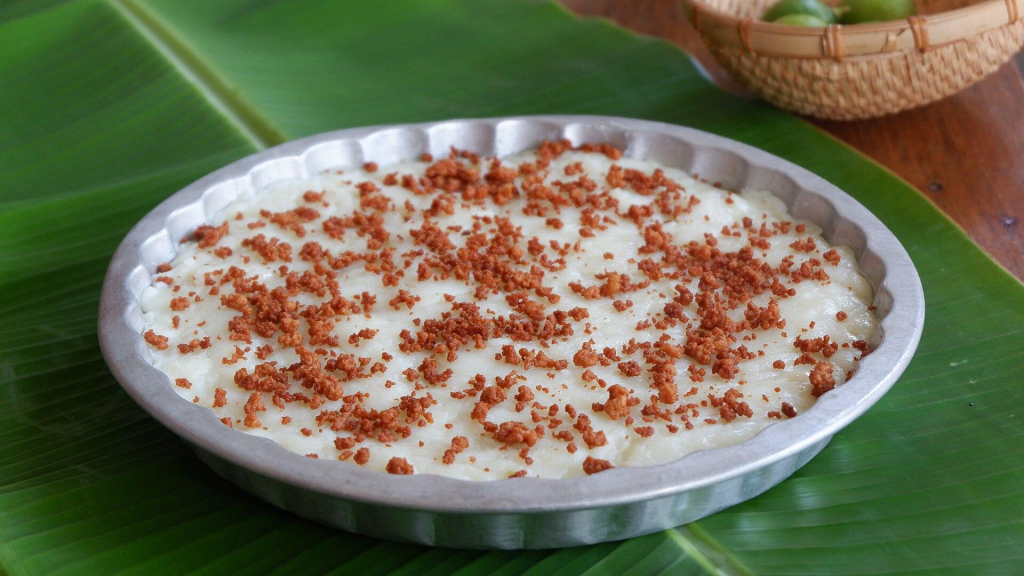
Often described as a richer version of maja blanca, tibok-tibok is traditionally made with carabao milk and served with latik on top. Its name refers to the appearance of the pudding as it cooks, when bubbles can resemble a beating heart.
The use of carabao milk gives the dessert a particularly rich and creamy taste. For anyone with a sweet tooth, it can be the perfect dessert to devour with friends or family after a meal.
4. Sisig: A Savory Taste of Tarlac’s Kapampangan Influence
Tarlac’s food culture cannot be discussed without acknowledging its connections with Pampanga. One example is sisig, a dish widely associated with Kapampangan cuisine. Sisig can be a point of contention, with everyone having their own comments and opinions on what good sisig tastes like.
The term “sisig” comes from the Kapampangan dialect and historically refers to eating something sour. It also came to refer to a method of preparing meat, traditionally involving pork that is marinated or seasoned with a souring agent such as calamansi, lemon juice, or vinegar, along with salt, chili pepper, and other spices.
Today, sisig can consist of different types of meat (including unconventional meats like chicken liver and pork innards), fish and other seafood, and other variations. If you find it on a menu at a local restaurant, it is worth trying to experience how this beloved Philippine dish fits into the broader culinary landscape of the region.
By Lokalpedia – Own work, CC BY-SA 4.0, https://commons.wikimedia.org/w/index.php?curid=126335184
5. Rice-Based Delicacies Worth Exploring
Beyond iniruban and tupig, Tarlac’s agricultural background has encouraged a strong tradition of rice-based food. In fact, rice cakes and other kakanin remain part of Filipino celebrations, merienda, and family gatherings.
Traditional treats such as suman, palitaw, patupat, and biko can also be encountered across the region. These foods demonstrate how a staple crop can become countless types of snacks and desserts depending on the ingredients and preparation style.
Some versions may be partly sweetened with sugar, topped with latik, or paired with coconut-based ingredients. Each type offers a different taste, texture, and way to appreciate Filipino culinary traditions, so it’s always worth it to try at least a couple of these rice-based delicacies.
Why Tarlac’s Famous Local Delicacies Taste the Way They Do
The flavors of Tarlac make more sense when you consider the province’s geography and history. As an agricultural area, Tarlac has traditionally relied on locally available crops and livestock. Rice, coconut, sugar, and carabao milk naturally became important ingredients.
Its location also matters. Being close to Pampanga and Pangasinan meant that communities, traditions, and food practices could influence one another over time.
This explains why Tarlac cuisine can feature both sweet kakanin and savory dishes such as sisig. The province’s food is a reflection of its people, its land, and its connections to surrounding areas.
Bring Home the Flavors of Tarlac
Food is one of the easiest ways to remember a trip. Whether you bought a bundle of tupig from a local vendor or shared a big bilao of tibok-tibok with your friends, these experiences can become lasting memories.
When looking for pasalubong food items, consider traditional delicacies that are closely associated with the province. They make thoughtful gifts because they allow family and friends to experience a little piece of your journey even when they are not able to travel with you.
The next time you visit Tarlac, don’t simply look for familiar fast-food options. Ask locals what they recommend, explore a neighborhood restaurant, and try a traditional dish you may not have encountered before. You may discover that understanding a place begins with understanding what its people eat.

Live in the Heart of Central Luzon With Camella Tarlac
After exploring the flavors and traditions that make Tarlac special, consider making the province your home. Camella in Tarlac offers thoughtfully planned communities where families can enjoy comfort, convenience, and a welcoming neighborhood environment.
Apart from being close to nature and enjoying the verdant views of Central Luzon, living in Camella Tarlac puts you minutes away from local restaurants, markets, the town center, and cultural experiences that make Tarlac unique.
If you want to be close to the must-try delicacies in Tarlac, create new family traditions, and enjoy a community you can call home, Camella Tarlac will offer you that and more.