



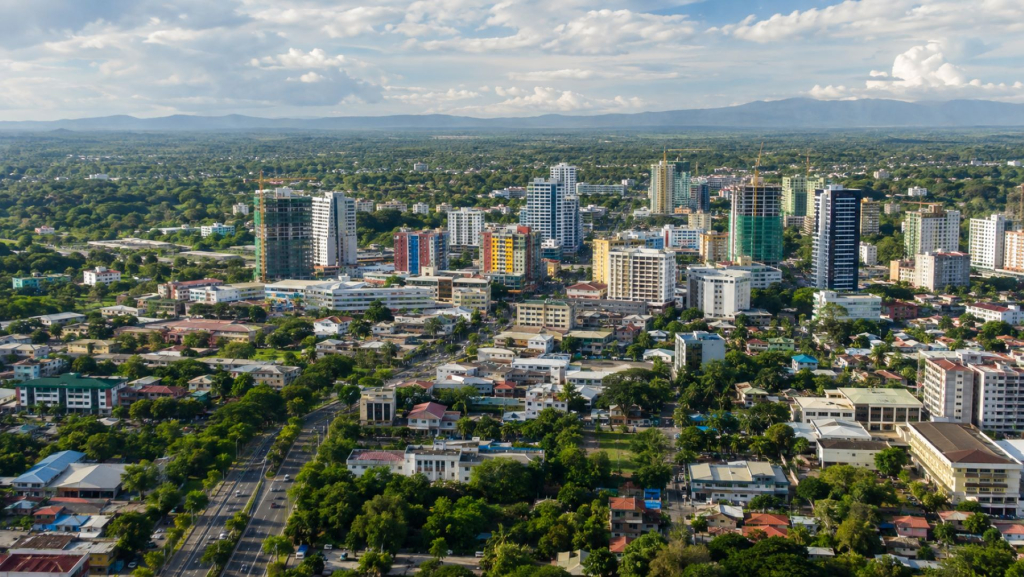
Economic expansion, infrastructure investment, and intercity connectivity are steadily reshaping the Davao Region, solidifying its status as a principal center for tourism, commerce, mobility, and residential development.
It entered from a substantial base: data from the Philippine Statistics Authority (PSA) show that Davao grew by 5.1 percent in 2025, bringing its gross regional domestic product (GRDP) to approximately PHP 1.14 trillion at constant 2018 prices. Services accounted for 62.1 percent of output, and transportation and storage grew by 8.2 percent. Wholesale and retail trade was the largest contributor to overall growth, followed by financial and insurance activities and public administration.
The composition of the local economy is essential to real estate development: transport, services, healthcare, and personal activities expand enterprise, create employment, and increase demand for residences near tourism destinations, growth centers, infralink projects, and retail parks. The Davao Region also represents a sizable property market: the 2024 Census of Population placed it at 5.39 million, equivalent to about 4.8 percent of the national total. The household population reached 5.37 million, increasing by nearly half a million people between 2015 and 2024.
Enterprise drives residential demand
Robust business activity across the Davao Region is directly strengthening its real estate market. As of March 2025, the region’s 19 operating economic zones hosted 55 companies, which employed more than 50,000 people and generated more than USD 275 million in export revenue in the first half of the year.
Total regional employment reached 2.48 million individuals, with the services sector comprising 56.4 percent of the workforce. This consistent enterprise and job growth broadens the property market, fueling strong demand for residential developments situated near core workplaces, commercial centers, and emerging business hubs.

Tourism transforms the regional economy
Davao City welcomed over two million visitors in 2025, with August’s Kadayawan Festival alone drawing 206,000 guests, according to the City Tourism Operations Office. This surge directly boosted local hospitality, retail, and transportation enterprises. Region-wide, overnight travelers totaled nearly 2.9 million in the first three quarters of 2025—an 11 percent year-over-year increase fueled by improved air connectivity, domestic travel, and private-sector investment.
A diverse portfolio of eco-tourism destinations, cultural landmarks, and neighboring Samal Island further enhances regional appeal. For the property sector, this flourishing leisure economy sustains job creation, boosts local commerce, and significantly increases the residential appeal of well-planned, well-connected developments.
Connectivity creates new corridors
This economic and demographic base is supported by a transportation network undergoing considerable modernization.
Established arteries such as Daang Maharlika, Davao-Bukidnon Road, and Davao-Cotabato Road connect regional cities and growth centers across Mindanao. Road rehabilitation, widening, bridges, bypasses, and complementary infrastructure are further strengthening momentum.
Among the most significant projects is the 45.5-kilometer Davao City Bypass Construction Project, designed to connect Toril in southern Davao City with Panabo City in Davao del Norte. The four-lane corridor includes the country’s first twin-tube mountain road tunnel. Upon completion, the Department of Public Works and Highways (DPWH) estimates that travel time between Toril and Panabo could drop from one hour and 44 minutes to about 49 minutes.
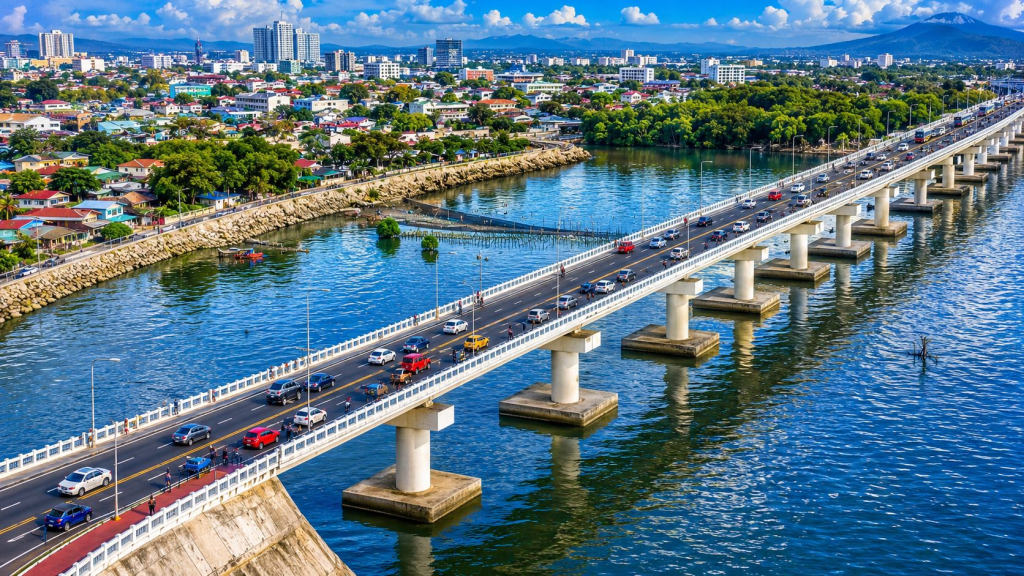
Closer to the coast, the Davao River Bucana Bridge and adjacent roads, forming Segment B of the Davao City Coastal Bypass Road, opened to vehicles in December 2025, providing an alternative route between areas traditionally reliant on inland thoroughfares.
Across Davao Gulf, construction also continues on the nearly five-kilometer Samal Island-Davao City Connector Bridge. The project is expected to modernize movement between the two locations, strengthening linkages between the metropolitan center and one of the premier regional leisure destinations.
Such infrastructure carries implications beyond shorter journeys. Better roads and bridges can expand catchments, improve logistics, and allow residential demand to extend beyond established epicenters.
A broader employment base, active visitor economy, and expanding transport network are widening the range of locations that can support residential demand across Davao. These conditions provide the context for Camella, which has built alongside the region as its cities, markets, and communities have evolved.

More than three decades of building homes in Davao Region
Camella, the Philippines’ most trusted and preferred housing brand, has grown with Davao Region for more than 30 years, leaving a footprint alongside its demographic, commercial, and physical progress.
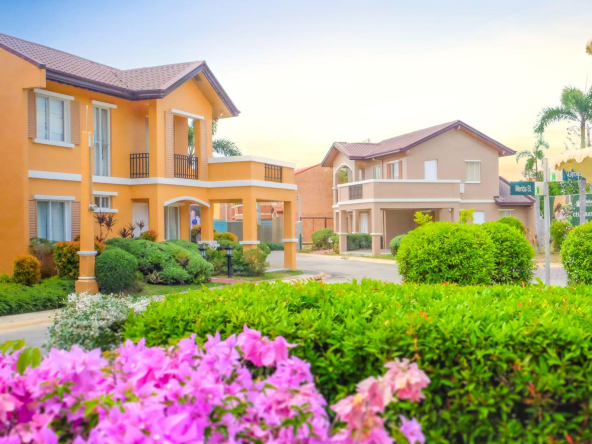
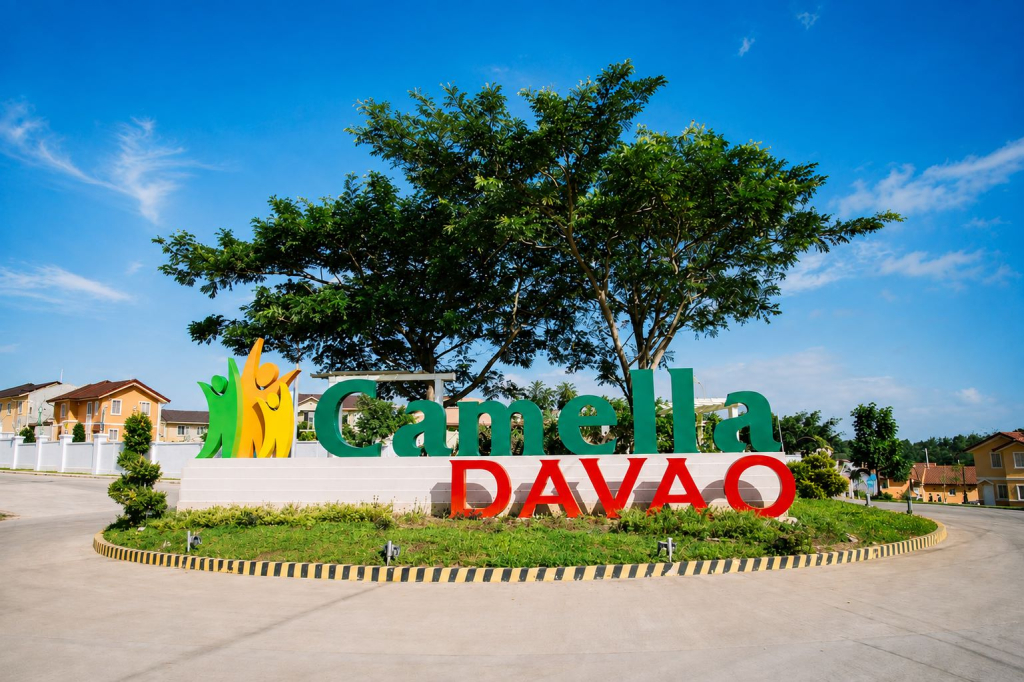
Camella, the flagship housing brand of Vista Land, the country’s leading integrated property developer, has created communities across Davao City, including Toril, and Tagum, bringing lifelong homeownership closer to Overseas kababayans and established Filipinos. This geographic reach reflects a long-term approach, serving urbanizing districts while extending into emerging locations as the region expands.
Shifting residential priorities reinforce this trend: for homebuyers and investors, location is measured not only by distance from the metropolitan center but also by proximity to employment, education, and everyday essentials. These considerations gain importance as public works improve mobility between municipalities, businesses expand beyond city limits, and tourism stimulates local enterprise.
Camella continues to advance with this progression: its communities are supported by an inclusive economy, stronger connections, urbanizing livelihoods and lifestyles, and ongoing investment from public and private institutions. As Davao develops into a more integrated regional network, residential opportunities are rising with it — as prosperity creates possibilities, mobility multiplies markets, and communities contribute to sustained growth.
Learn more about Camella communities nationwide. Visit www.camella.com.ph and follow @CamellaOfficial.