



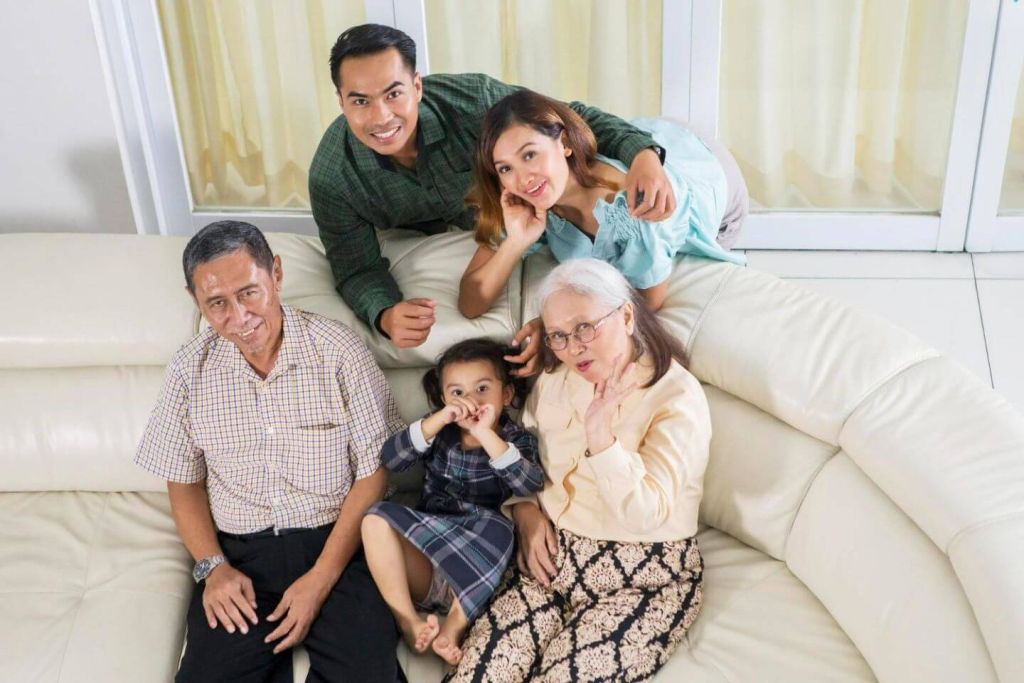
In many Filipino households, living with extended family at home is both a tradition and a way of life.
Whether grandparents, parents, adult children, or children and grandchildren share one address, multigenerational living reflects the country’s deep-rooted cultural values of respect, care, and togetherness.
Today, rising property prices, increasing household expenses, and the desire to stay close to loved ones have encouraged many families to embrace extended family living. While sharing the same home offers many benefits, it also requires patience, planning, and understanding.
Different personalities, routines, and expectations can affect family dynamics, making it important to create a healthy environment where all family members thrive.
Your Guide to Multi-Generational Family Living
Here’s a practical guide to making multiple generations living under one roof a rewarding experience and conducive to enhanced well-being.
Understanding the Filipino extended family structure
Unlike a nuclear family, which usually consists of parents and their children, an extended family household includes extended family members such as grandparents, aunts, uncles, cousins, siblings, in-laws, and even members of one’s extended kin network.
This extended family structure has long been considered the basic unit of many Filipino communities.
In this extended family system, three or more generations often share the same household, helping one another with childcare, finances, and everyday responsibilities.
Although every family structure differs, the heart of an extended family arrangement remains the same: supporting one another through every stage of life.
Establish clear communication from the beginning
Perhaps the most important ingredient in successful family living is clear communication.
With different generations sharing one house, misunderstandings can arise over schedules, parenting styles, visitors, noise levels, or privacy. Open conversations allow different family members to express concerns respectfully before problems grow.
Regular family meetings help everyone discuss expectations regarding household concerns, like:
- Daily routines
- Household rules
- Shared spaces around the house
- Financial contributions from grandparents, aunts, uncles, parents, and their adult children
- Caregiving duties, especially when there are senior family members
When everyone feels heard, family members develop mutual respect, which strengthens the entire family unit.
Define each family member’s household responsibilities fairly
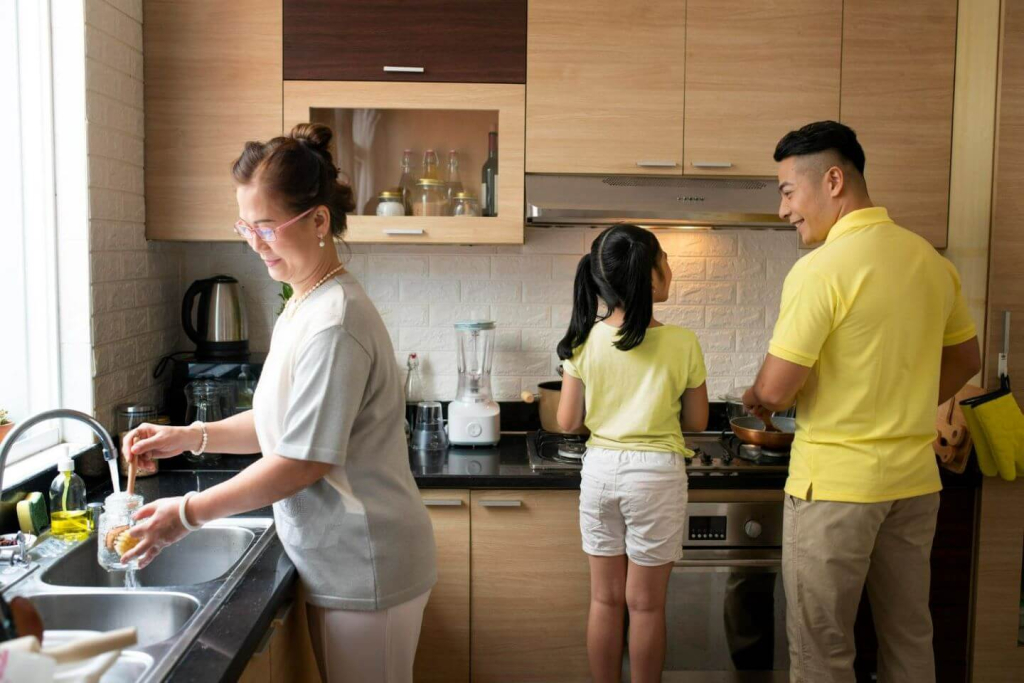
One of the biggest challenges in an extended family living setup is dividing chores.
Rather than expecting one person to do everything, assign household responsibilities according to each person’s abilities and schedule. Older adults may prepare meals, while younger adults handle groceries or transportation. Teenagers can help clean common areas, and children can learn simple responsibilities appropriate for their age.
Sharing responsibilities helps reduce stress, prevents resentment, and reminds everyone that maintaining the household is a shared effort.
Create healthy financial arrangements
Money can become a sensitive topic in any living arrangement, especially when adult family members bring in varying incomes into the household. This is especially more challenging when adult children start to contribute to the family’s financial responsibilities, and some may be earning more than the other children or other family members.
To avoid misunderstandings, discuss financial responsibilities openly. Determine how everyone will contribute toward utilities, groceries, internet, maintenance, and other household expenses.
Many households choose to pool resources, allowing everyone to save money while enjoying a better quality of life than living separately.
A transparent financial plan encourages accountability while helping preserve family harmony.
Respect privacy while sharing one roof
Even in the closest family, everyone needs personal space.
Whenever possible, designate quiet areas where people can work, study, or simply relax. Homes with larger floor plans may benefit from having separate entrances for adult generations, giving everyone additional independence while remaining close.
In extended family living, simple practices like knocking before entering bedrooms, respecting work-from-home schedules, and setting visiting hours help maintain healthy boundaries.
Privacy allows each member to recharge, contributing to better mental health and emotional well-being.
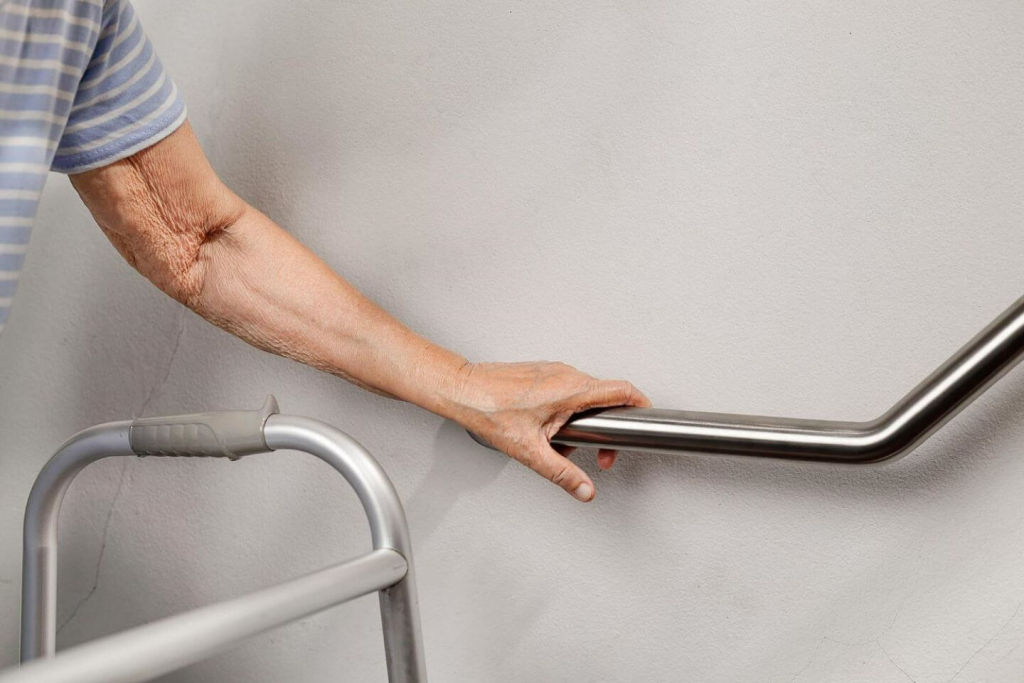
Image source: https://www.magnific.com/premium-photo/elderly-woman-holding-handrail-safety-walk-steps_22282912.htm
Support every generation’s changing needs
One of the greatest strengths of a multigenerational household living arrangement is having built-in support throughout every stage of life.
Older adults may eventually require mobility-friendly features such as grab bars, wider hallways, or ground-floor bedrooms. Some retirees also depend partly on social security, making shared living financially practical.
Meanwhile, younger couples often appreciate having many caregivers available to help raise children.
Having grandparents nearby can provide valuable wisdom, while other family caregivers can assist during emergencies or busy workdays.
This mutual care creates a meaningful exchange where every generation contributes according to its abilities.
Embrace different values with understanding
Every generation has unique experiences that shape its beliefs.
Older relatives may prioritize tradition, while young people often embrace technology and changing lifestyles. These different values do not have to divide the household.
Instead of insisting that one perspective is always correct, encourage respectful conversations. Listening with empathy allows everyone to appreciate one another’s experiences.
Additionally, boundaries can become blurry in an extended family household. Give enough space, respect, and understanding for how each nuclear family or immediate family unit raises children. Even if you’re living in the same house, parents and their children should still have enough distance to cultivate their own relationships in a multigenerational household.
This openness builds a close relationship across several generations, strengthening trust within one’s family.
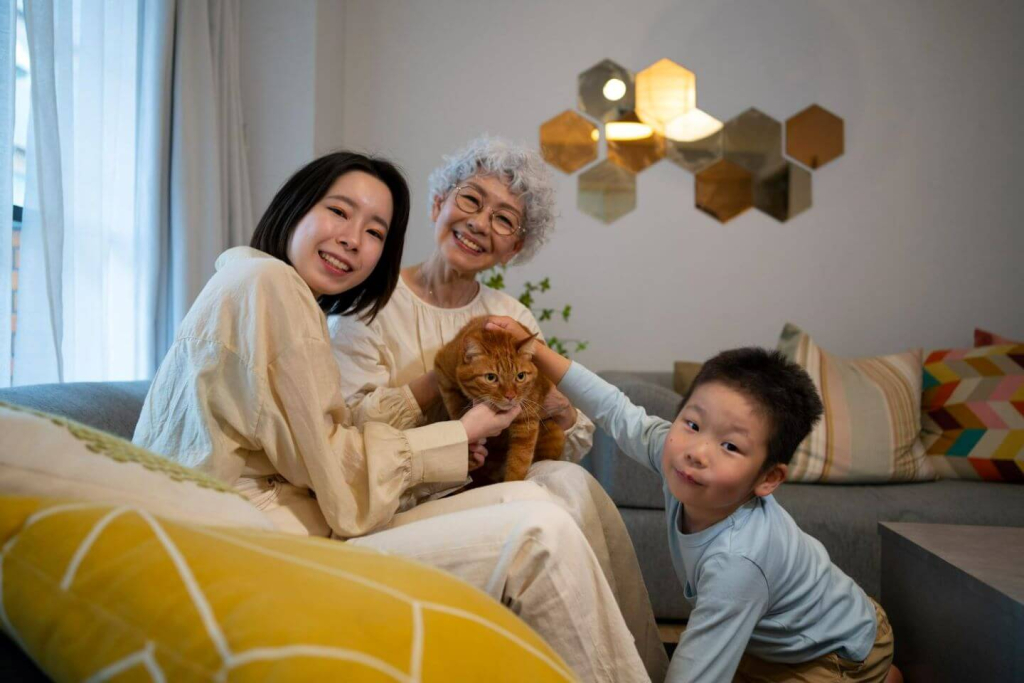
Spend quality time together
Living together does not automatically guarantee closeness.
Make an effort to spend time as a family through shared meals, weekend movie nights, holiday celebrations, or simple conversations over coffee.
These moments create stronger bonds between parents, children, grandchildren, and other members of the household.
Quality time also supports emotional support, improves self-esteem, and contributes positively to everyone’s overall well-being.
Adapt your home for multiple generations
As generations live together longer, homes should evolve alongside changing needs.
Flexible layouts make it easier to accommodate growing families without sacrificing comfort. Additional bedrooms, multi-purpose rooms, and accessible bathrooms help ensure everyone enjoys a functional living environment.
Thoughtful home design supports the realities of multiple generations sharing one address while promoting independence for every member of the household.
Because many forms of family exist today, including the traditional stem family, blended households, and other multigenerational setups, flexibility has become more valuable than ever.
Celebrate the benefits of living with extended family at home
Despite occasional challenges, multigenerational living offers numerous advantages.
Families often experience:
- Lower housing costs by sharing expenses
- Greater childcare support
- More assistance for aging relatives
- Stronger emotional connections
- Shared responsibilities
- Greater financial stability and increased ability to save money
- Richer cultural traditions that are passed from one generation to the next
These many benefits explain why extended family homes remain an important part of Filipino society.
When everyone contributes with kindness and understanding, an extended family arrangement becomes a source of strength rather than stress.
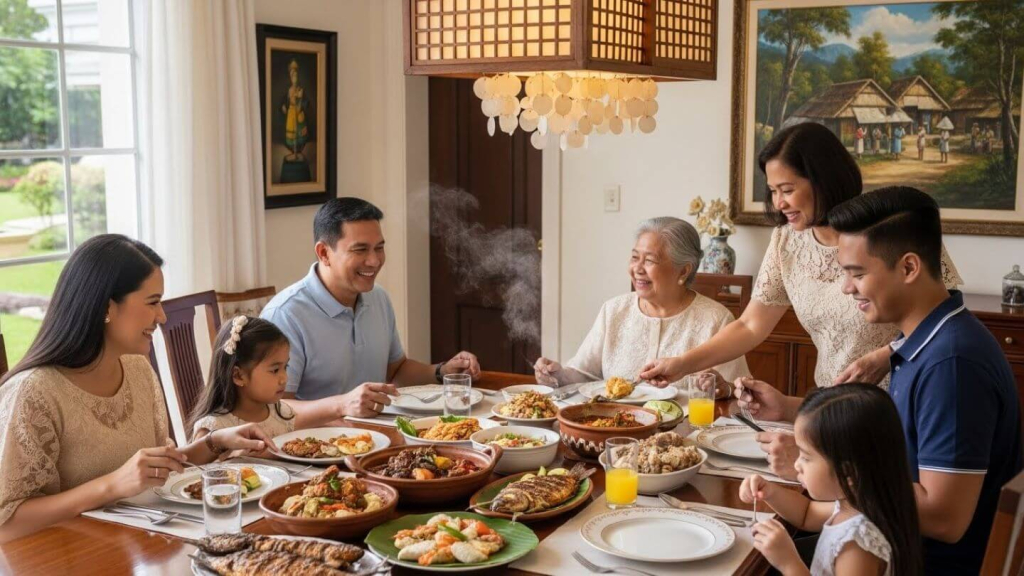
Enjoy Extended Family Living at Camella
As Filipino families continue embracing multigenerational living, choosing the right home becomes even more important. Camella understands that today’s households often include multiple generations, making thoughtfully planned communities ideal for modern family living.
Camella homes are designed with growing families in mind, offering spacious floor plans, secure neighborhoods, parks, open spaces, and community amenities where every generation can enjoy spending time together. Whether you’re welcoming aging parents, raising young children, or providing space for adult children, Camella communities support the evolving needs of Filipino families.
With homes built for comfort, safety, and flexibility, Camella makes it easier for extended family members to thrive under one roof while maintaining privacy, convenience, and harmony.
Because no matter how your family structure evolves, home should always be a place where every generation feels welcome, valued, and connected.