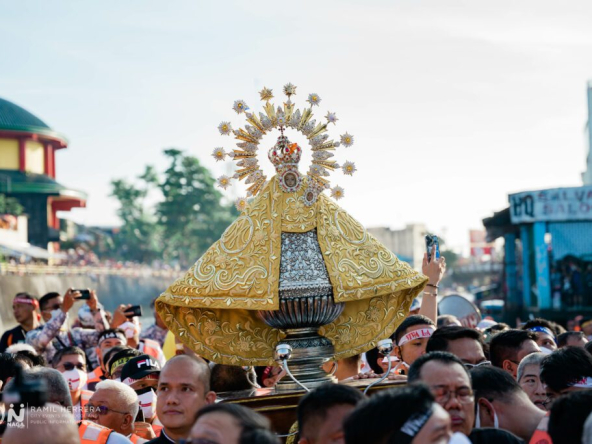




A blood donation drive in a mall or barangay hall can seem ordinary. A few people line up, fill out forms, sit for a short procedure, then leave with juice and crackers. Yet every unit collected may be headed to an operating room, an emergency ward, or a child receiving treatment for cancer.
The need remains constant. Hospitals rely on a steady blood supply because blood cannot be manufactured and cannot be stored indefinitely. Around the world, nearly 120 million units are donated each year, but many health systems still report shortages, especially during disasters, holiday periods, and flu season.
For patients, blood donation can mean survival. For donors, it can offer useful medical information and several possible health benefits. The medical benefits of blood donation are often discussed less than the value it has for recipients, but both matter.

Why blood donation still matters
A single session of whole blood donation can help up to three lives because donated blood is often separated into red blood cells, plasma, and platelets. Each blood component may go to a different patient.
A patient injured in a road accident may need the red cells after severe blood loss. A mother with complications during childbirth may need plasma. Someone undergoing chemotherapy may need platelet support after treatment lowers the body’s natural blood count.
Blood transfusion is also essential for many medical procedures. Patients having heart surgery, organ transplants, or treatment for long-term illnesses often rely on regular donations from blood donors they will never meet by themselves. Without a stable blood supply, hospitals must postpone surgery or ration treatment.
A regular blood donation program helps keep hospitals prepared before an emergency happens.
There’s a built-in health check before every donation
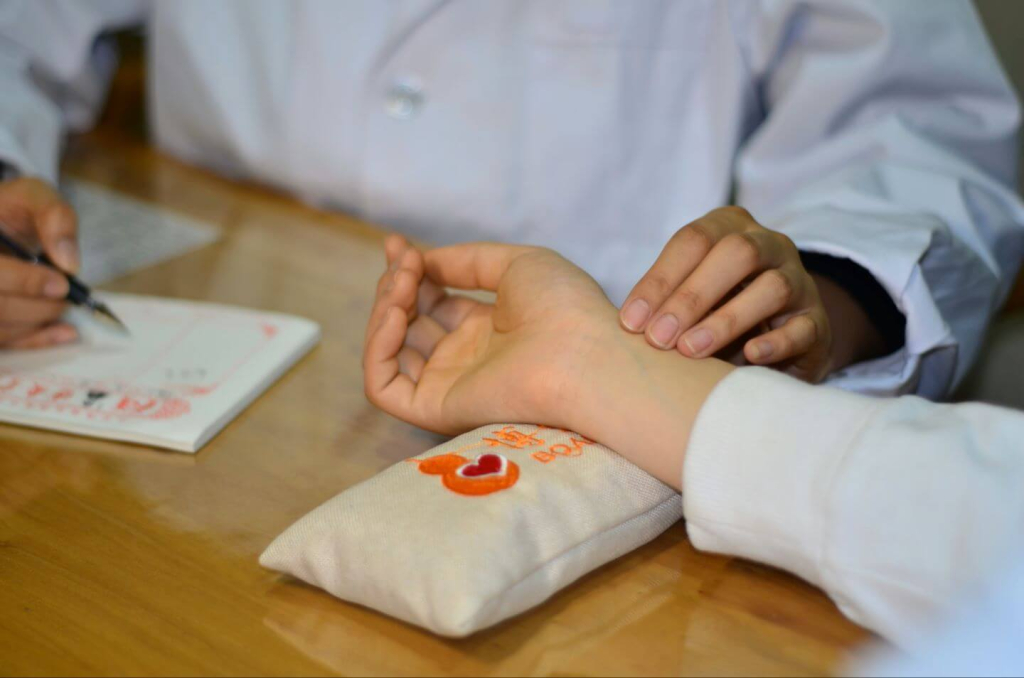
Before donating blood, every donor goes through a blood donor screening. In practice, this functions like a brief free health checkup.
A staff member reviews the donor’s medical history, asks about recent illness, travel, medications, and previous donation experiences. They also check:
- Blood pressure
- Pulse and temperature
- Body weight
- Hemoglobin or iron levels
- Other vital signs
This free health screening can sometimes bring attention to potential health issues that the donor may not have noticed. A reading that suggests high blood pressure, low iron levels, or an irregular pulse may encourage further testing with a healthcare professional.
The screening also includes questions about risk factors for infectious diseases. Donors may be asked about a new sexual partner, recent travel, or certain activities as per routine. These questions can feel personal, but they are intended to protect the blood supply and the patients who will receive it.
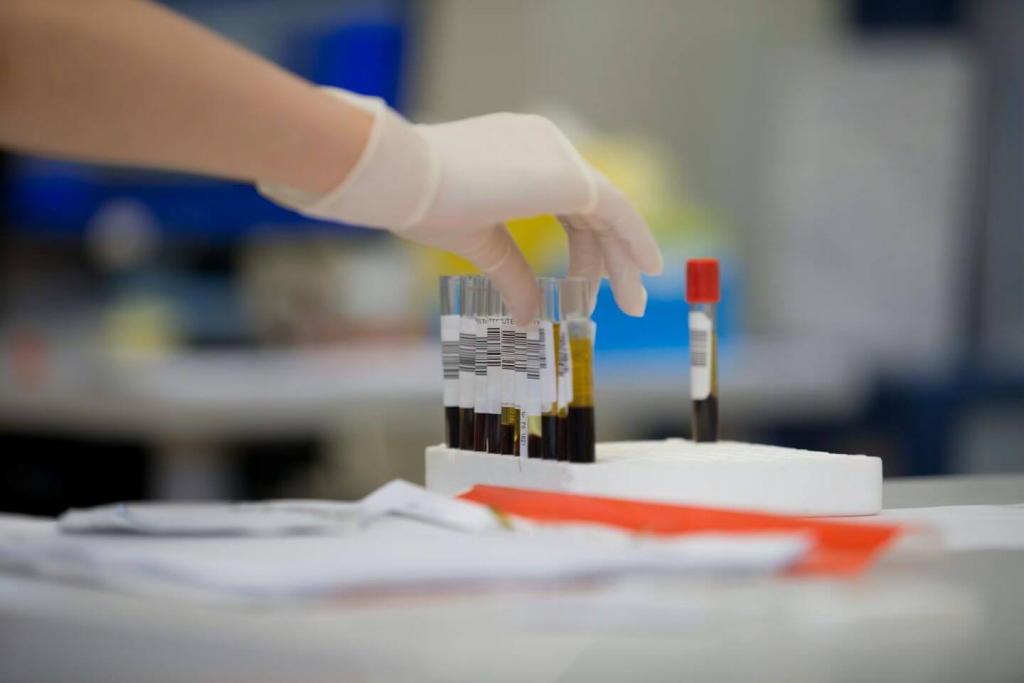
After the blood donation process, donated blood is tested for infectious diseases, including Hepatitis B and Hepatitis C. A positive diagnostic test does not automatically mean someone is seriously ill, but it may point to an underlying medical condition that deserves follow-up care. In some cases, the donation center contacts the donor and recommends further evaluation.
For many healthy adults, this may be the only opportunity for health screening they receive all year.
Donating blood may support heart health
One of the most discussed health benefits of giving blood involves iron.
The body needs iron to produce red blood cells, but too much stored iron may contribute to inflammation and damage to blood vessels over time. Donating blood regularly can lower iron stores and help maintain balanced iron levels.
Some researchers have suggested that regular blood donation may lower the risk of heart disease and heart attacks by reducing excess iron in the body. There is also some evidence that it may contribute to lower blood pressure in certain donors with high blood pressure.
Still, the evidence is mixed. Donating blood should not be treated as a replacement for exercise, medication, or medical treatment. People with heart disease, an increased risk of stroke, or other medical conditions should speak with a healthcare professional before making regular blood donation part of their routine.
There is one situation where reducing iron is clearly useful: hereditary hemochromatosis, which is a condition that causes the body to store too much iron. Some patients with hereditary hemochromatosis are treated through therapeutic blood removal, which works in a similar way to giving blood.
For healthy donors, the result may simply be a healthier heart over time, though doctors continue to study exactly how strong that connection may be.
Surprising health benefits beyond the physical impacts
The benefits of donating blood are not limited to the body. Many donors describe leaving a blood drive with a stronger sense of purpose.
A simple yet powerful act, such as giving blood, can support mental health by reducing feelings of isolation and increasing a sense of connection to the community. This is especially true during local emergencies, typhoon response drives, or barangay donation campaigns, where donors can see exactly how their effort helps neighbors and nearby hospitals.
There is also a practical reason many people feel better afterward: the body quickly begins replacing the donated blood. Within a few days, fluid levels recover. Over the next several weeks, the body produces new red cells in the blood.
Some studies estimate that the body uses additional energy while replacing donated blood. However, this should not be treated as a fitness strategy or weight-loss method. The larger benefit is often emotional. Donors frequently describe the experience as meaningful because they know their donation may help save lives.
In a time when many people feel disconnected from the communities around them, blood donation offers a direct way to contribute.
Who can donate and who may need to wait
Most healthy adults can donate if they are in good health, symptom-free, and meet the required body weight. Exact rules vary by donation center, but most ask donors to:
- Be at least 16 to 18 years old, depending on local rules
- Meet the minimum body weight
- Have no fever or active infection
- Feel well on the day of donation
Some people may need to wait before donating blood. Temporary reasons include:
- Recent illness
- Low iron levels
- Recent tattoo or piercing
- Pregnancy
- Certain medications
- Recent travel to areas with infection outbreaks
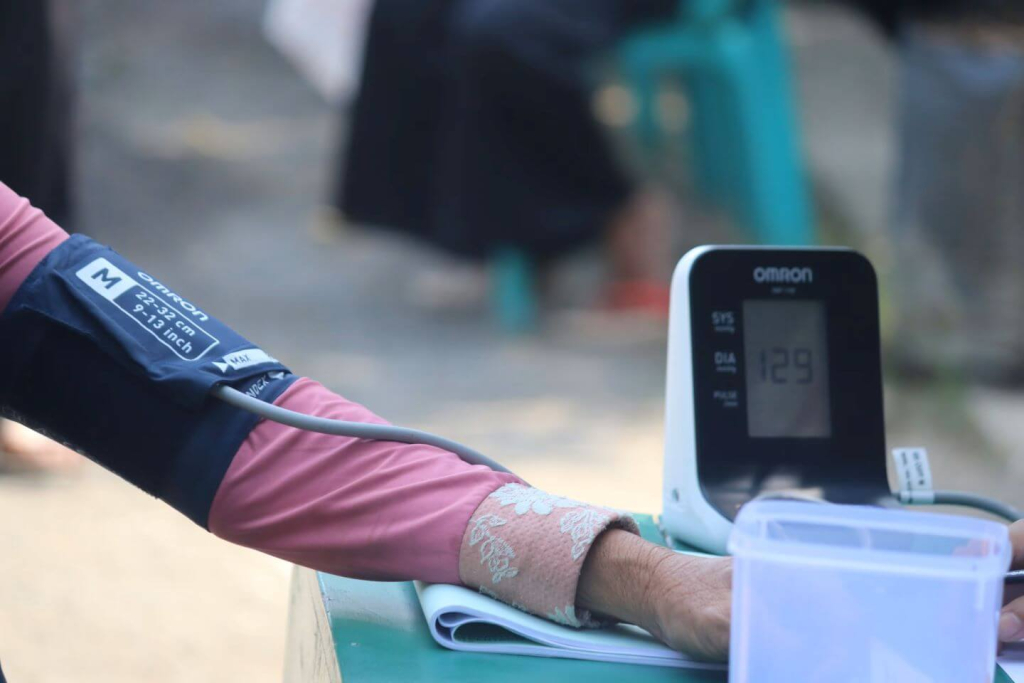
People with high blood pressure may still be able to donate if their condition is controlled. Others with more serious medical conditions may need approval from a healthcare professional.
A recent change in sexual partner may also affect eligibility, depending on the blood donation center’s guidelines and the timing involved. The goal is not to exclude donors unnecessarily but to reduce risk for everyone involved.
Different ways to donate blood
Not every blood donation involves the same donation process. Different patients need different blood components intended for treatment.
Whole blood donation
Whole blood donation is the most common form. During whole blood donation, a donor gives approximately one pint of whole blood. The appointment usually takes about an hour from registration to recovery, though the actual collection often lasts only 10 to 15 minutes.
After collection, the blood may be separated into red blood cells, plasma, and platelets. Some portions may be used directly in a blood transfusion, while others are processed for further manufacturing use in medicines and medical products.
Platelet and double red cell donation
Some blood donation centers also offer platelet donation and double red cell donation.
These forms use an apheresis machine, which removes one part of the blood and returns the rest to the donor. Platelet donation is often needed for cancer patients and people undergoing intensive treatment. Double red cell donation collects extra red blood cells, which are useful after trauma or surgery.
Because the apheresis machine returns unused components to the body, these sessions usually take longer than whole blood donation.
Preparing for donation day and caring for yourself after
Preparation makes the blood donation process easier and safer. Before the appointment:
- Drink plenty of water
- Eat a healthy meal with protein and iron
- Bring identification and any necessary medical history
- Avoid skipping breakfast or lunch
During the procedure, a sterile needle is placed into the arm. Most people feel only brief discomfort at the needle site.
After giving blood:
- Rest for a few minutes and eat the snack provided.
- Continue drinking fluids during the day.
- Keep applying pressure to the needle site if there is slight bleeding.
- Avoid heavy lifting, strenuous exercise, and alcohol for the rest of the day.
Some donors feel lightheaded, tired, or slightly dizzy afterward. These effects usually pass quickly. Contact the blood donation center if bleeding, swelling, fainting, or pain at the needle site continues.
For eligibility information and nearby donation schedules, donors can check resources from Philippine Red Cross.
A stronger community begins with small acts
Blood donation is one of the few medical contributions that nearly anyone in good health can make. It supports patients, strengthens hospitals, and may even provide donors with useful health information.
More importantly, it turns an ordinary hour into something lasting. A visit to a blood donation center can help protect strangers, families, and entire communities.