




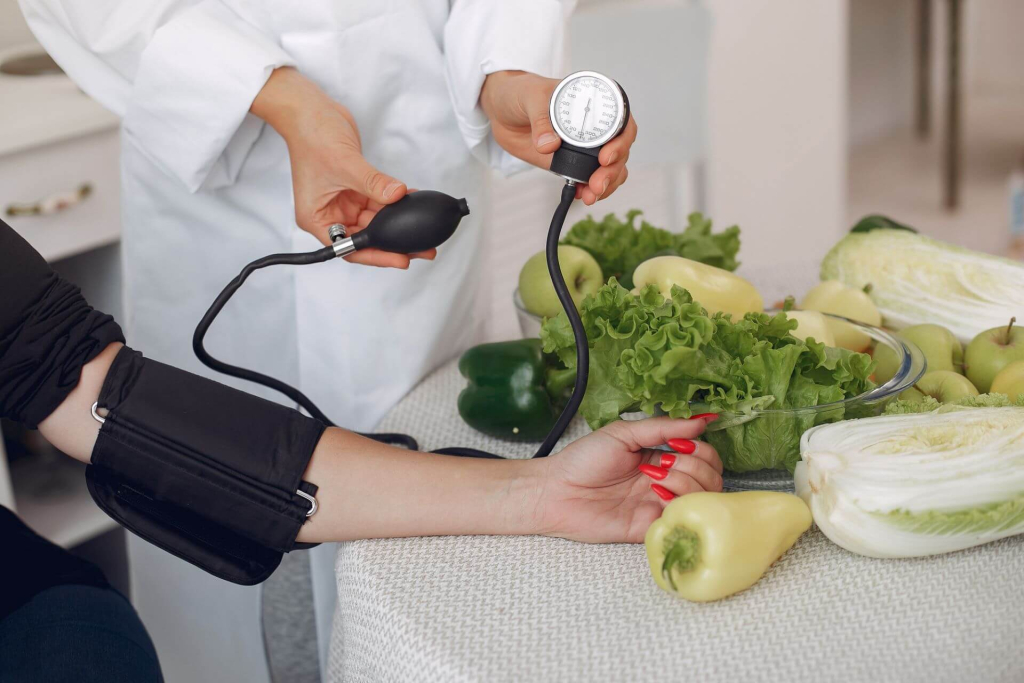
Image source: Freepik
Introduction
High blood pressure has become a growing concern in many Filipino households, often developing quietly until serious complications arise. Many cases of hypertension are linked to daily habits, especially diet, where salt intake, saturated fat, and added sugar can directly affect blood pressure. Shifting toward family meals to manage high blood pressure allows households to take control through consistent, practical choices. A balanced diet built around whole, home-cooked meals can help regulate blood pressure while improving overall health.
Research from randomized controlled trials, a systematic review, and a meta-analysis shows that dietary approaches, like the DASH diet, support blood pressure reduction. These approaches focus on eating foods high in nutrients, dietary fiber, and potassium-rich foods while limiting processed meats and sugar-sweetened beverages. They also highlight how managing blood pressure involves more than one factor, including nitric oxide levels, blood vessel function, and other potential factors influencing long-term outcomes. By adopting dietary approaches to stop hypertension, families can lower their blood pressure and reduce risks linked to cardiovascular disease and heart disease.
Breakfast: Starting the Day with a Healthy Eating Routine
A strong morning routine sets the tone for managing blood pressure throughout the day. Breakfast choices influence energy levels, cravings, and how the body processes nutrients, especially in people dealing with high blood pressure. Focusing on healthy foods that support blood pressure regulation helps maintain stable systolic blood pressure and diastolic blood pressure. Meals that include whole grains and low-fat dairy products are key components of a heart-healthy eating plan.
Meal #1: Unsweetened Oatmeal Champorado with Low-Fat Dairy
A modified oatmeal champorado made from whole grains supports blood pressure regulation by increasing dietary fiber intake and reducing reliance on refined carbohydrates. Pairing it with low-fat dairy or low-fat dairy products provides calcium and other nutrients that help lower blood pressure and support heart health. Removing added sugar and avoiding maple syrup reduces blood pressure effects linked to excess sugar intake.
Using unsweetened cocoa and natural sweeteners like fruit keeps the dish within a low-fat and low-sodium framework. It also prevents dependence on sugar-sweetened beverages, which are often consumed alongside traditional sweet breakfasts. This meal reflects how dietary approaches can be applied to familiar foods without losing their appeal. Over time, consistent choices like this help regulate blood pressure and maintain healthy blood pressure levels.
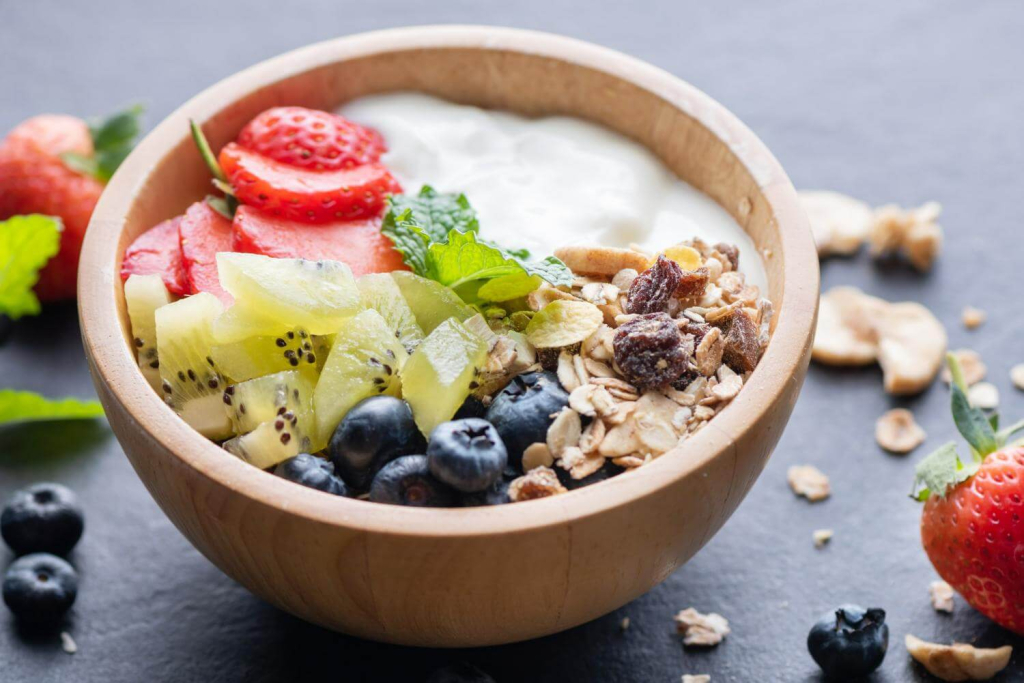
Meal #2: Fresh Fruit Bowl with Plain Yogurt for Healthy Blood Pressure
A fresh fruit bowl combined with plain yogurt offers a simple way to support healthy blood pressure early in the day. Fruits that are potassium-rich can help regulate blood pressure by balancing sodium levels and supporting blood vessels.
While dried fruit may seem convenient, it is a concentrated source of sugar that can increase high blood pressure levels when consumed frequently. Choosing fresh fruits instead ensures a diet rich in nutrients and antioxidant compounds that help lower blood pressure. This option is especially beneficial for older adults who need steady, balanced nutrition. It also reinforces a healthy eating pattern that includes foods that support long-term heart health.
Lunch: Balanced Family Meals to Manage High Blood Pressure
Midday meals offer an opportunity to reinforce a balanced diet that supports heart health and sustained energy. Lunch should include vegetables, lean protein, and whole grains to help control high blood pressure and maintain stable blood pressure levels. Access to fresh ingredients plays a key role in maintaining consistency in healthy eating habits. Communities with nearby grocery options make it easier for families to prepare meals that align with a heart-healthy eating plan.
Living in areas such as Camella Balanga Heights, where Vista Mall Bataan is easily accessible, allows families to regularly source fresh vegetables, lean proteins, and other essentials. This convenience supports managing blood pressure by making home cooking more practical and sustainable. With the right ingredients on hand, preparing healthy meals becomes part of everyday life.
Meal #3: Ginisang Monggo with Malunggay
Ginisang monggo is one of the most accessible healthy foods for Filipino families aiming to control high blood pressure. It is rich in dietary fiber and plant-based nutrients that help lower blood pressure and support blood pressure regulation. Adding malunggay increases the intake of leafy greens, which contribute to nitric oxide levels and improved blood vessel function. This dish supports heart health while keeping saturated fat levels low.
Unlike meals that rely on fatty meats, monggo provides protein without increasing the risks associated with high blood pressure levels. It aligns with recommendations from the National Heart, Lung, and Blood Institute, which emphasize legumes and vegetables in a healthy diet. This meal also reflects how foods listed in dietary approaches to stop hypertension can be adapted locally. Regular consumption supports managing blood pressure and maintaining healthy blood pressure.
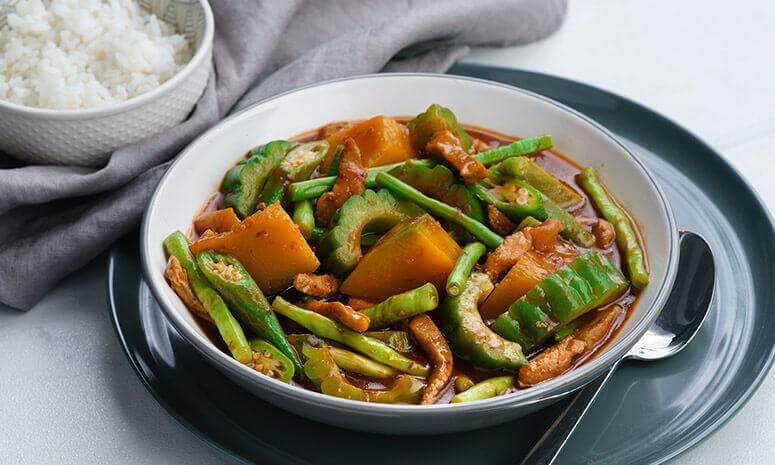
Meal #4: Low-Sodium Pinakbet with Olive Oil
Pinakbet naturally includes a variety of vegetables, making it a strong component of a diet rich in nutrients. By reducing salt intake and limiting traditional high-sodium ingredients, the dish becomes more suitable for blood pressure regulation. Using olive oil introduces healthy fats that support blood vessels and reduce reliance on saturated fat. This adjustment helps lower your blood pressure while preserving the dish’s familiar taste.
The vegetables in pinakbet provide antioxidant compounds and other nutrients that support heart health and reduce blood pressure effects. Preparing it with a low-sodium approach aligns with a DASH diet and promotes better control of high blood pressure. It also avoids the need for processed meats, which are often linked to hypertension and heart disease. This meal demonstrates how simple changes can improve overall health without sacrificing tradition.
Meal #5: Grilled Bangus with Brown Rice
Grilled bangus paired with brown rice creates a balanced meal that supports blood pressure reduction and cardiovascular health. Fatty fish like bangus provide omega-3 fatty acids that help lower blood pressure and reduce the risk of heart attack. Brown rice, as a whole grain, contributes dietary fiber and helps maintain stable blood pressure levels. This combination aligns well with a dash eating plan.
Preparing the fish without excessive salt or processed marinades keeps the meal within a low-sodium and heart-healthy framework. It also reduces exposure to fatty meats and processed foods that contribute to high blood pressure levels. This dish highlights how an eating plan built around whole foods can support long-term heart health. Consistent choices like this help regulate blood pressure and improve overall health.
Snacks: Smart, Heart Healthy Choices to Help Lower Blood Pressure
Snacks play a critical role in maintaining stable blood pressure between meals. Choosing nutrient-dense foods instead of high-salt or high-sugar options helps prevent spikes in blood pressure. Light, vegetable-based snacks can support blood pressure regulation while keeping energy levels steady. These options reinforce a balanced diet and reduce reliance on processed foods.
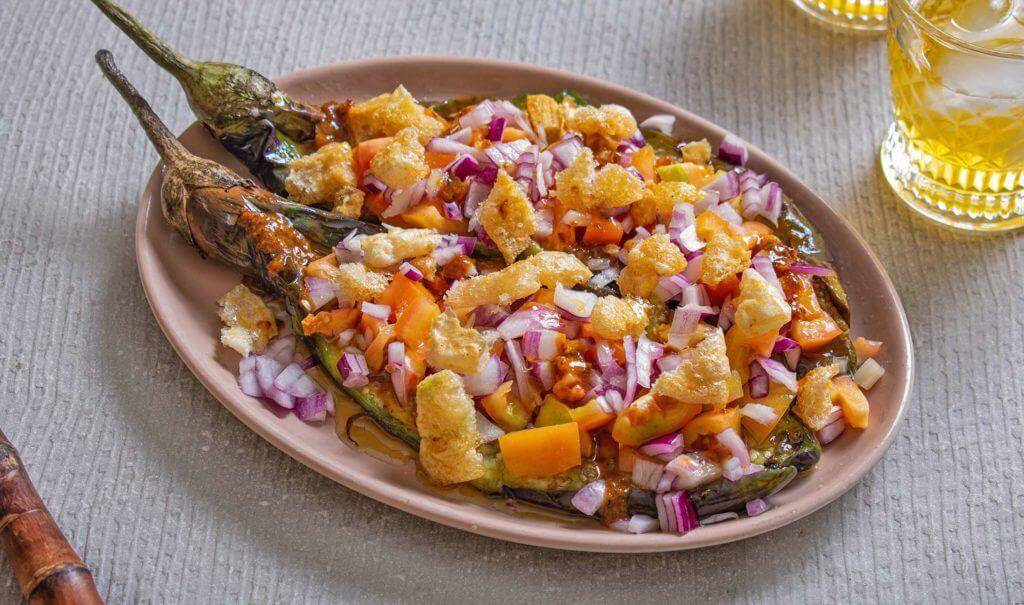
Image source: https://www.pepper.ph/recipes/ensaladang-talong-with-bagoong-dressing
Meal #6: Ensaladang Talong with Fresh Tomato Dressing
Ensaladang talong is a simple dish built around cooked vegetables that support heart-healthy eating. Using a fresh tomato-based salad dressing instead of high-sodium condiments helps reduce salt intake and supports blood pressure regulation. Eggplant contains nutrients that benefit blood vessels and improve circulation. This makes it a practical option for managing blood pressure.
The dish remains low-fat and aligns with dietary approaches that focus on whole, minimally processed foods. It avoids the need for added preservatives or excessive seasoning, keeping the meal clean and balanced. This approach supports healthy blood pressure while contributing to overall health. It also reflects how traditional foods can be adapted to support modern health needs.
Meal #7: Fresh Lumpiang Gulay with Light Sauce for Blood Pressure Regulation
Fresh lumpiang gulay offers a satisfying snack that includes foods rich in vegetables and dietary fiber. This combination helps regulate blood pressure and supports digestion, making it a practical option for managing blood pressure. Avoiding foods that include hot dogs or other processed meats reduces exposure to sodium and unhealthy fats. This supports better control of high blood pressure.
The sauce should be used in moderation to limit added sugar and prevent negative blood pressure effects. A lighter preparation keeps the dish aligned with a healthy diet and supports blood pressure reduction.
Dinner: Light but Nourishing Meals at Night
Evening meals should be light yet nourishing to support the body’s natural recovery process. Heavy meals high in sodium or fat can negatively affect blood pressure, especially in individuals with high blood pressure. Dinner choices should focus on lean protein, vegetables, and low-sodium preparation. This helps maintain healthy blood pressure while supporting restful sleep.
Meal #8: Chicken Tinola with Malunggay as a Healthy Eating Staple
Chicken tinola is a familiar dish that fits well within a healthy eating routine for managing blood pressure. Using lean chicken and avoiding processed seasoning helps keep saturated fat and sodium levels low. Malunggay and green papaya provide nutrients that support blood pressure regulation and overall health. This combination helps regulate blood pressure while remaining comforting and familiar.
The broth-based nature of tinola supports hydration, which is important for maintaining healthy blood pressure. Ginger adds flavor without increasing salt intake, making the dish suitable for a low-sodium eating plan. This meal aligns with dietary approaches that focus on whole foods and balanced nutrition. It supports long-term heart health and helps lower blood pressure.

Image source: https://www.nestlegoodnes.com/ph/recipes/sinigang-na-isda-sa-miso
Meal #9: Sinigang na Isda with Leafy Greens
Sinigang na isda offers a balanced dinner option that supports blood pressure reduction and heart health. The use of fatty fish, leafy greens, and vegetables provides nutrients that help lower blood pressure and improve blood vessel function. Natural souring agents reduce the need for excessive salt, keeping the dish within a low-sodium framework. This supports managing blood pressure effectively.
The inclusion of potassium-rich foods helps improve nitric oxide levels, which play a role in relaxing blood vessels. Some variations incorporate beetroot juice, which may further help lower blood pressure. This dish reflects how traditional Filipino meals can align with a Dash diet when prepared thoughtfully. Regular consumption supports healthy blood pressure and overall health.
Conclusion
Managing hypertension begins with consistent daily choices, especially when it comes to food. A healthy diet that includes vegetables, whole grains, lean protein, and low-fat dairy can help regulate blood pressure and reduce the risks associated with heart disease. Avoiding fatty meats, processed foods, and excessive salt intake supports long-term blood pressure reduction. These habits contribute to a more balanced diet and improved overall health.
Simple adjustments to familiar meals can make a lasting difference for families aiming to control high blood pressure. Reading food labels, choosing healthy fats, and focusing on nutrient-rich foods all support better outcomes over time. These small but consistent changes help lower your blood pressure and reduce the likelihood of a heart attack and cardiovascular disease. With the right approach, everyday meals can become a reliable way to support long-term wellness.
This article is for informational purposes only and is not a substitute for professional medical advice. Consult a registered dietitian or qualified healthcare provider for personalized guidance on managing blood pressure through diet.