





Image source: Freepik
Introduction
Education holds deep cultural value in Filipino families. Many parents view academic achievement as a pathway to long-term security and opportunity. Yet increasing academic demands, competitive school environments, and rising academic expectations have created new pressures for children.
Academic burnout in children is becoming more visible in classrooms and homes. What may begin as academic stress can develop into emotional exhaustion, declining academic performance, and long-term disengagement from school. Recognizing the signs early allows families to respond before stress evolves into something more serious.
Understanding Academic Burnout in Children and Why It Is Increasing
To identify burnout, parents must first understand how it develops and why it is becoming more common across age groups.
What Academic Burnout Really Means
Academic burnout refers to a prolonged state of emotional exhaustion, detachment from academic life, and a reduced sense of competence. It is different from short-term fatigue before exams. Academic burnout reflects chronic stress tied directly to academic demands.
In educational psychology and school psychology research, burnout typically includes three components: emotional exhaustion, cynicism toward school tasks, and declining academic self-efficacy. When children begin to believe they are incapable of meeting expectations, their academic performance often suffers.
Academic burnout in children overlaps with adolescent academic burnout, especially during transitions into middle school students and high school students years. It doesn’t just happen to university students and medical students. Identity formation during early adolescence increases sensitivity to peer comparison, grades, and feedback from authority figures.
The stress-burnout relationship is well-documented. Sustained academic stress without adequate recovery leads to exhaustion. Over time, that exhaustion can reduce academic achievement rather than strengthen it.
What Descriptive Statistics and Research Reveal
Previous research across global contexts offers valuable insight. Studies involving Finnish high school students, Chinese college students, Swiss vocational students, and Norwegian junior high schools show similar patterns: higher perceived stress correlates with higher levels of school burnout.
Scholars frequently use instruments such as the school burnout inventory and the academic self-efficacy questionnaire to measure burnout symptoms. Findings show that low self-efficacy mediates the relationship between academic stress and poor academic performance.
Some studies apply a moderated mediation model to explain how variables interact. For example, attachment and emotion regulation may moderate how stress impacts children’s academic performance. In simpler terms, children with stronger emotional regulation skills experience less damage from similar levels of stress.
Although much research comes from international settings, the Philippine educational landscape reflects similar pressures: high parental expectations, competitive admissions, and strong cultural emphasis on academic success.

The Relationship Between Academic Stress, Academic Demands, and Academic Performance
Understanding the structural drivers of burnout helps parents interpret behavioral changes more accurately.
How Academic Stress Builds Over Time
Academic stress often begins subtly. Homework loads increase. Projects overlap. Examinations cluster within short periods. These school demands gradually intensify perceived school-related stress.
Parents’ academic expectations and educational aspirations contribute to this environment. Many families invest significant financial and emotional resources into education. When children internalize high parental expectations without feeling emotionally supported, they may interpret challenges as personal shortcomings.
Bronfenbrenner’s ecological systems theory explains that children exist within interconnected systems: family environment, school context, peer relationships, and broader cultural norms. When each system emphasizes performance, the cumulative pressure becomes substantial.
Parents’ education anxiety may also amplify tension. Even well-intentioned reminders about academic achievement can reinforce fear of failure.
When Stress Starts Affecting Academic Performance
The relationship between academic stress and academic performance is not linear. Mild stress may sharpen focus. Chronic stress impairs concentration, memory retention, and motivation.
Children experiencing burnout often show declining academic performance across multiple subjects, not just one. Poor academic performance may initially appear as laziness or distraction, but deeper patterns reveal emotional exhaustion.
Academic ability remains intact in many cases. What changes is the child’s belief in their capacity to succeed. Reduced academic self-efficacy leads to avoidance behaviors. Over time, children disengage from the learning process itself.
Grammar school students may express confusion or clinginess. Secondary school students may become withdrawn. High school students may express cynicism about academic achievement.

8 Signs of Academic Burnout to Watch for in Your Child
Burnout rarely appears in a single dramatic moment. It develops gradually across emotional, cognitive, and physical domains.
1. Persistent Emotional Exhaustion
Emotional exhaustion is the hallmark of academic burnout. Children describe feeling drained even after adequate rest.
They may display negative emotions such as irritability or hopelessness when discussing school. Psychological distress can appear through crying spells, frustration over minor tasks, or heightened sensitivity to feedback.
This reflects chronic stress that has not been resolved.
2. Sudden Decline in Academic Achievement
A noticeable drop in academic achievement often signals a deeper strain. Teachers may observe incomplete assignments or reduced participation.
Children’s academic performance may fluctuate unpredictably. Parents sometimes respond by increasing academic expectations, which may worsen stress.
3. Withdrawal from Peer Relationships
Peer relationships are central to school students, particularly during early adolescence. Burnout can lead to social withdrawal.
Children may avoid group activities or isolate themselves after school. Since peer relationships influence self-esteem, isolation may compound emotional strain.
4. Increased Irritability or Mood Swings
Mood changes are common in adolescence, but persistent irritability linked specifically to academic life may indicate burnout.
Attachment and emotion regulation difficulties may surface. Children struggle to process feedback constructively.
Mental health issues such as anxiety symptoms may also appear.
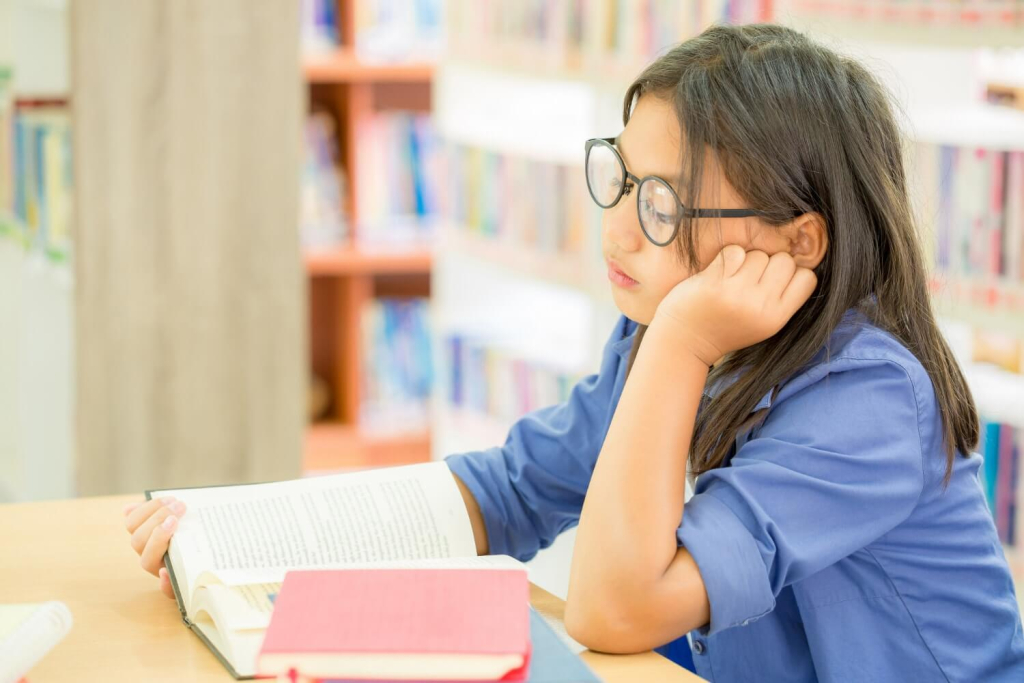
5. Physical Complaints Without Clear Cause
Headaches, stomachaches, and sleep disturbances often accompany academic stress.
Public health research consistently links chronic stress with physical health symptoms. If physical complaints increase during exam periods, perceived stress may be a contributing factor.
6. Loss of Interest in the Learning Process
Children may express indifference toward subjects they once enjoyed. The learning process feels mechanical rather than engaging.
Educational burnout reduces intrinsic motivation. Even humanities education, which encourages reflection, may feel burdensome when academic demands dominate.
7. Sleep Disturbances and Chronic Stress
Burnout symptoms often include difficulty falling asleep or frequent waking.
Diminished life satisfaction may emerge. Children may report feeling overwhelmed by academic challenges even during weekends.
8. Avoidance of School or Talk of School Dropout
Repeated requests to stay home from school warrant attention.
School burnout symptoms sometimes escalate to avoidance behaviors. While school dropout is uncommon in stable households, early signs of disengagement must be taken seriously.
Adolescents’ academic burnout, if unaddressed, increases long-term risk.
Restoring Balance: From Home Strategies to Public Health Perspectives
Addressing academic burnout requires action at multiple levels, beginning at home and extending into schools and the broader community.
Applying the “Job Demands Resources Model” at Home and School
The job demands resources model explains burnout as an imbalance between demands and available support. Academic demands represent workload and expectations. Resources include supportive teachers, emotional validation, physical activity, and access to a school counselor.
When families prioritize balanced routines, children cope more effectively. In communities such as Camella Bulacan, accessible open spaces allow children to decompress through physical activity after school. A stable learning environment at home, where conversations extend beyond grades, strengthens resilience.
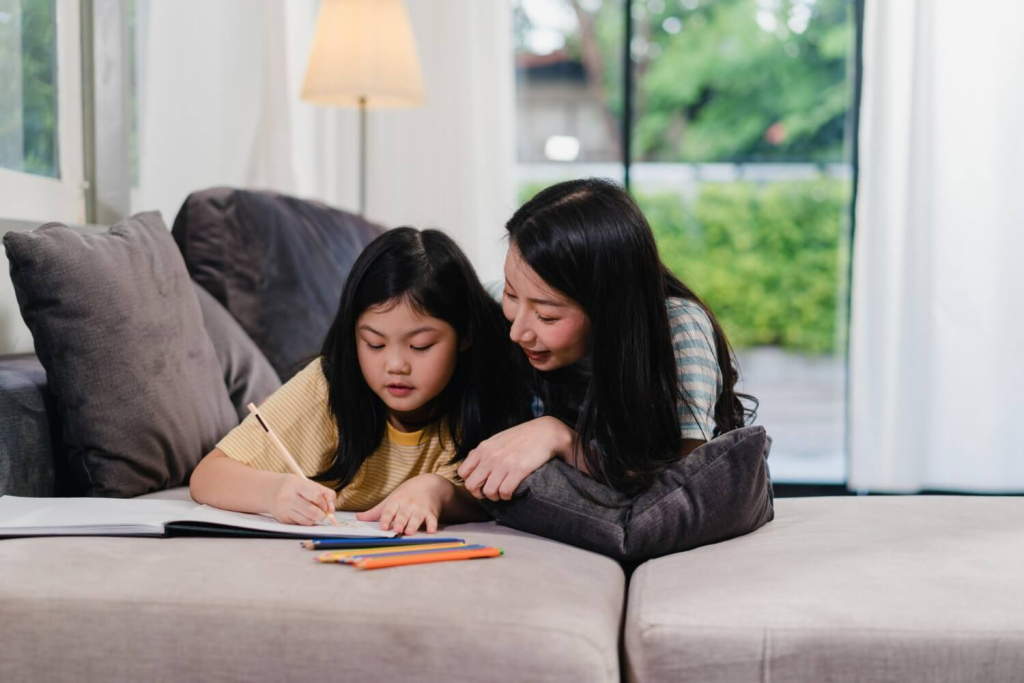
Building a Healthier Learning Environment
School climate influences mental health and academic performance. Schools that prioritize school psychology services and emotional development reduce burnout risk. Collaborating with a school counselor provides early intervention. Encouraging balanced schedules, rest, and open communication strengthens students well being.
Academic Burnout as a Public Health Concern
Chronic academic stress contributes to mental health problems and psychological distress. Educational sciences increasingly recognize educational burnout as a systemic issue, not merely an individual weakness. If ignored, burnout influences educational aspirations and long-term academic achievement into young adults years.
Practical Implications for Filipino Families
Parents can monitor perceived stress levels and watch for student burnout symptoms without reacting with alarm. Strengthening the family environment and reinforcing emotional intelligence skills protects children’s mental health. Academic life should cultivate competence and curiosity. Protecting children from prolonged academic burnout ensures that education remains a source of growth rather than depletion.
Conclusion
Stress and academic burnout in children develop gradually but leave clear signals. Emotional exhaustion, declining academic performance, withdrawal, and physical complaints deserve attention. Balancing academic expectations with empathy strengthens resilience. When families prioritize mental health alongside academic achievement, children are better prepared not only for exams but for lifelong learning.