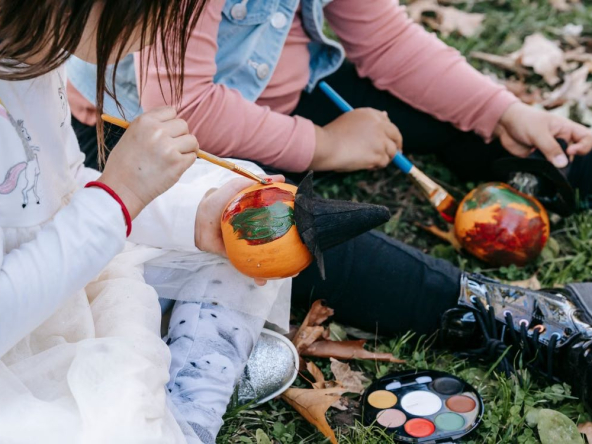




Health plays a crucial role in a child’s ability to learn, grow, and thrive.
For school-aged children, what they eat during the school day directly affects their energy, focus, and overall well-being. A balanced school lunch fuels the brain, supports physical growth, and helps kids stay alert and active throughout lunchtime and afternoon classes.
Whether you’re packing for younger children or older children, creating a healthy school lunch is one of the most practical ways parents can support healthy eating habits that last a lifetime.
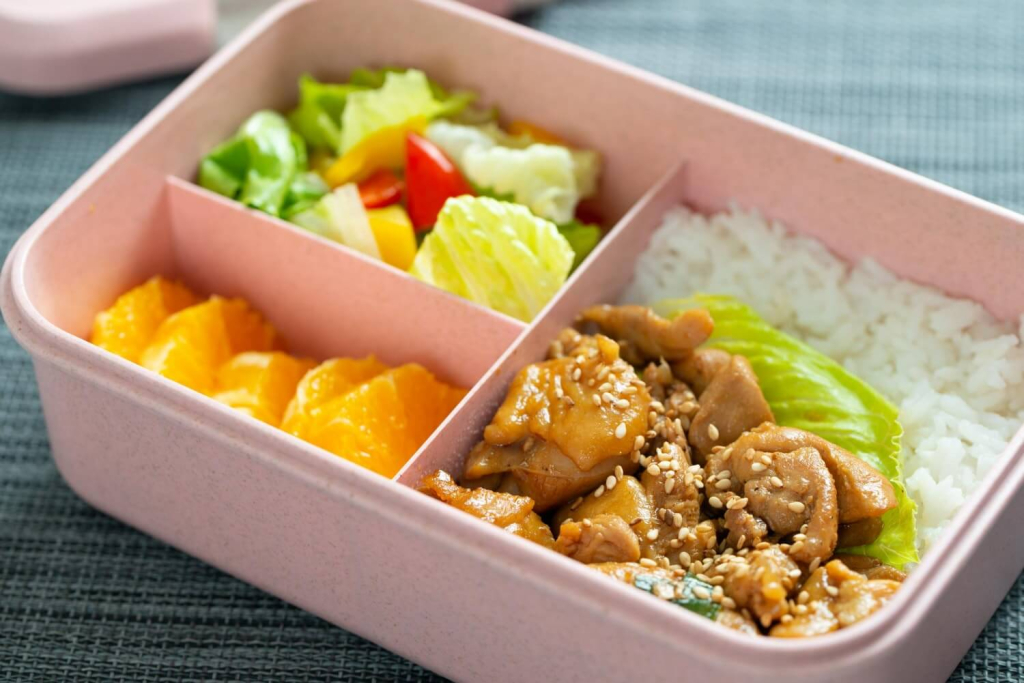
What does a Healthy Lunchbox Look Like?
A genuinely healthy school lunch guide begins with an understanding of nutrients.
Children require a balanced intake of carbohydrates, protein, healthy fats, vitamins, and minerals to support growth and energy. Carbohydrates from whole grains, such as bread, rice, pasta, and whole-grain crackers, provide energy for learning. Protein from lean meat such as chicken, fish, eggs, beans, or low-fat cheese helps build muscles and keeps kids full longer.
Fruits and vegetables are essential for vitamins, fiber, and antioxidants. Consider fresh fruit such as apple slices, strawberries, blueberries, or tinned fruit (in juice, not syrup).
Veggies such as carrot sticks, cucumber, peppers, and salad greens add color and nutrients to any lunchbox. Dairy products or alternatives such as yoghurt provide calcium for strong bones, while healthy fats from nuts or fish support brain development.
Limiting saturated fat, added sodium, sugar, and excess salt is key to making healthy choices.
Parents’ Healthy School Lunch Guide and Ideas
Preparing a healthy lunch box for your children doesn’t have to be very challenging and time-consuming.
Here are some tips you can use:
1. Build Around Balance
When packing a lunchbox, you should aim for variety.
A good rule is to include at least one food from each of the following groups: grains, protein, fruit, vegetables, and drinks.
Sandwiches made with whole-grain bread, lean meat, chicken, eggs, or hummus are classic school meals that are easy to prepare and customize. Add a side of fruit and veggies for balance.
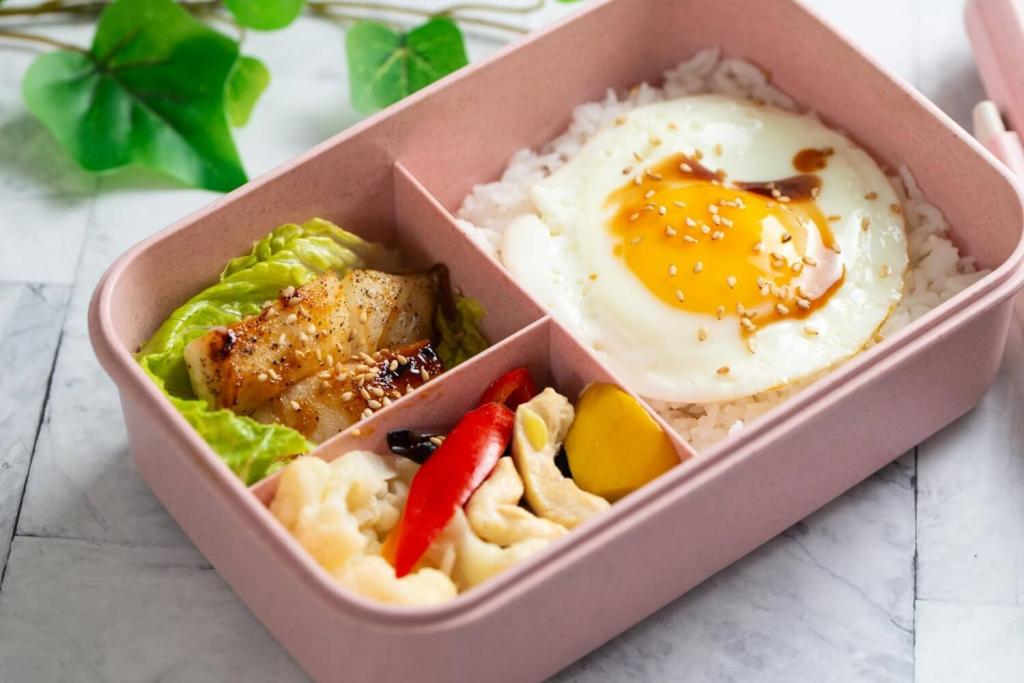
Image source: https://www.freepik.com/premium-photo/school-lunch-bento-box-set_31906805.htm#from_element=cross_selling__photo
2. Choose Smart Proteins
Protein keeps kids energized through lunchtime.
Meats like chicken or fish, boiled eggs, beans, or hummus with crackers are excellent food choices. For snacks, low-fat cheese slices or yoghurt are convenient and a good source of calcium. Avoid processed meats high in saturated fat and salt.
3. Fill Half the Lunch Box with Fruit and Veggies
Fresh fruit and vegetables should be the stars of a healthy lunchbox.
Rotate options to keep things fun: apple slices one day, strawberries and blueberries the next.
Vegetables such as carrot sticks, cucumber slices, or peppers pair well with a healthy dip such as hummus or yoghurt-based sauces. You can even make a small salad for them.
Dried fruits, such as raisins, can be included in small amounts, but balance them with fresh options to reduce sugar intake.
4. Be Mindful of Snacks and Treats
Snacks don’t have to be unhealthy.
Whole-grain crackers, nuts (if school permits), yoghurt, or fruit are preferable to highly processed foods.
Watch for added sodium and sugar in packaged snacks. Encourage children to eat healthier options by engagingly presenting them. For example, you can cut fruit into shapes or mix veggies with a tasty dip.

5. Drinks Matter More Than You Think
Plain water is the best drink of choice for children.
Avoid sports drinks and sugary juices, which add unnecessary sugar and calories. Milk can be included for calcium, especially for younger children.
Teaching kids to choose plain water supports lifelong healthy habits.
6. Adjust for Age and Appetite
Age matters when packing lunches. Younger children may prefer bite-sized food and familiar flavors, while older children often need larger portions and more energy
You can adjust the servings of rice, pasta, potatoes, or bread accordingly.
Listen to what your children actually eat, not just what looks good in the lunchbox.
7. Use Leftovers to Save Time
Leftovers are a parent’s secret weapon.
Dinner leftovers such as grilled chicken, rice, pasta salad, roasted potatoes, or vegetables can easily become cold school meals the next day. You can also whip up quick sandwiches from leftovers, add some cheese and vegetables to the meat.
This helps save time, reduce food waste, and maintain variety in meals.
8. Get Kids Involved
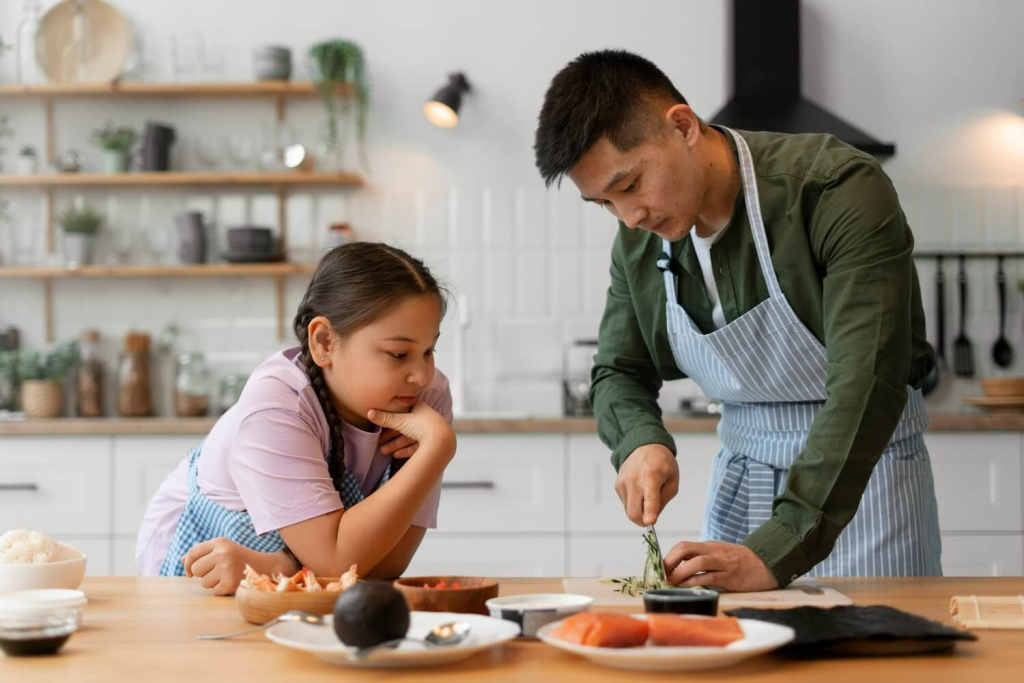
Kids involved in choosing and preparing their lunch are more likely to eat it.
Let children help choose foods at the grocery store, wash fruit, or pack their own lunchbox. When kids are involved, they’re more likely to learn responsibility and be encouraged to make healthy choices, which makes lunchtime more enjoyable.
9. Make It Fun and Appealing
Presentation matters, especially for kids. This applies to their lunchboxes as well.
Use colorful containers, mix textures, and vary flavors. A lunchbox with bright fruit, crunchy crackers, creamy yoghurt, and a sandwich feels more fun and satisfying than plain food.
Fun lunchboxes encourage kids to eat well at school.
10. Keep Food Safety in Mind
Use insulated lunch bags and ice packs to keep food cold and fresh until lunchtime.
This is especially important for meals with meat, dairy, or fish. Safe food handling helps ensure that healthy lunches remain healthy.
Encouraging Healthy Eating Beyond the Lunchbox
A healthy school lunch is part of a bigger picture.
Encourage children to understand why healthy eating matters, not just what to eat. Talk about nutrients, energy, and how food helps them grow and perform better in school and play.
Small daily habits, like choosing fruit over sweets or water over sugary drinks, build a strong foundation for lifelong health.
Be Part of a Health-Forward Community with Camella
Packing nutritious school meals is easier when families live in communities that support healthy living.
Camella creates thoughtfully planned neighborhoods with open spaces, parks, and family-friendly environments that encourage active lifestyles and wellness.
With homes designed for comfort, space, and convenience, Camella supports parents in preparing healthy food, spending quality time with kids, and raising children in a safe, nurturing community.
After all, a healthy home makes healthy choices easier, starting with what goes into your child’s lunchbox.