




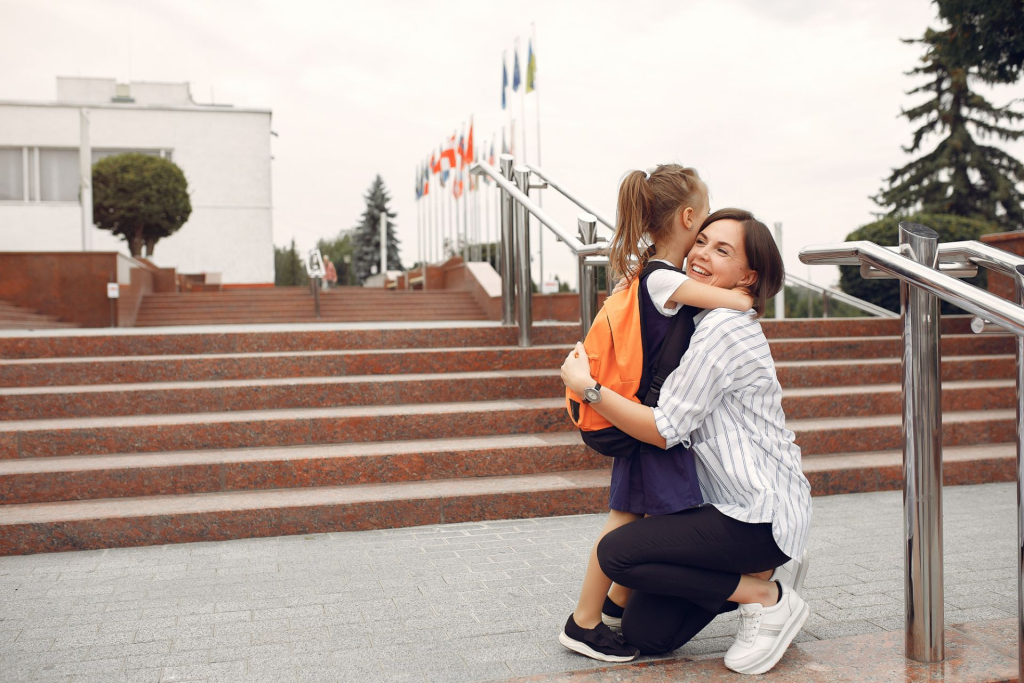
Image source: Freepik
The end of the holidays often brings a mix of relief and stress for parents. After weeks of fun, relaxed schedules, late nights, and flexible rules, the shift back to structure can feel abrupt. Whether the holiday break was filled with family trips, stay-at-home bonding, or long hours indoors, the moment school starts again forces households to reset. For many families, the challenge is not motivation but knowing where to begin. The goal is not perfection. It is to get kids back to routine after holidays in a way that feels steady, realistic, and supportive.
Below are ten practical tips designed to help parents guide kids through this transition with clarity and patience.
Tip #1: Set Clear Expectations
The transition begins with conversation. Parents often assume kids understand what will change once the break ends, but many children need this explained clearly. It will be to your advantage to take time to talk about when school starts, what the new daily routine will look like, and how mornings and nights may feel different. This is especially important after a long holiday break or winter break, when days blur together.
Explaining expectations helps kids mentally prepare. It gives them a sense of control and reduces resistance. Instead of sudden rules, outline what will happen and why. This simple step helps both younger children and older kids understand that the shift back to school is part of a normal cycle, not a punishment for enjoying the holidays.
Tip #2: Talk About the Year Ahead and Address School Worries
Once expectations are clear, open the door to emotions. Many children feel anxious as the new school year approaches, even if they cannot fully explain why. Some worry about a new teacher, others about classmates, homework, or simply not being able to see friends or leaving home again after a long break.
Parents should create space to talk about the year ahead. Ask what your child expects, what they are excited about, and what worries them. Separation anxiety can resurface, especially after spending extended time with family. Listening without rushing to fix everything helps kids regain a sense of normal. When worries are acknowledged, children are less likely to carry that stress into the first day.
Tip #3: Use the End of the Holiday Break to Reset Daily Habits
Waiting until the night before school starts often leads to chaos. The final week before the break ends is the best time to reset habits slowly. Begin shifting wake times earlier, adjusting meal schedules, and re-establishing basic structure. This makes the transition feel gradual instead of stressful.
Parents who plan can help kids stay on track without conflict. Even small changes, like eating dinner earlier or setting aside time for reading, signal that routines are returning. This approach helps the family move out of holiday mode without resentment or burnout.
Tip #4: Rebuild the School Routine Starting With Sleep and Bedtime
Sleep anchors the entire school routine. Without consistent sleep, mornings fall apart, and learning suffers. Resetting bedtime should be a priority before anything else. Start moving bedtime earlier by small increments each night until it matches school days.
Make the night predictable. Dim lights, limit noise, and encourage calm activities before bed. Younger children may need reminders and reassurance, while older kids may resist at first. Staying patient matters. Adequate sleep helps kids wake early, manage stress, and focus once classes begin.
Tip #5: Reset Screen Time Limits Before School Starts
During the holidays, screen time often increases. Long hours on devices disrupt sleep, attention, and mood. Instead of cutting screen time abruptly, reduce it gradually before school resumes.
Set clear limits and explain the reason behind them. Replacing some screen time with offline activities helps kids adjust without conflict. This step is especially helpful once homework and learning tasks return. Balanced screen habits support focus and consistency throughout the school year.
Tip #6: Create a Morning Routine That Runs the Same Every Day
Mornings shape the tone of the day. A consistent morning routine reduces stress and prevents rushed decisions. Decide what happens first, what comes next, and how much time each task needs. Include waking up, washing, eating snacks or breakfast, and preparing to head out the door.
When mornings are predictable, kids feel safer and more capable. Parents also benefit from fewer arguments and less pressure. Over time, this structure becomes automatic, helping students start each day with a calmer sense of control.
Tip #7: Practice the Morning Routine Before the First Day of School
Practicing sounds simple, but it makes a real difference. Run through a full school morning at least once before the first day. Wake up early, get dressed, eat, and leave the house as if it were a school day.
This trial run helps everyone realize what works and what needs adjusting. Maybe breakfast takes longer than expected, or someone forgets their bag by the door. Fixing these issues early prevents a stressful first day and helps kids feel prepared rather than overwhelmed.
Tip #8: Shift Daily Habits Back to Back-to-School Mode
Once mornings stabilize, bring back school-related tasks. Set specific times for homework, reading, writing, and review. Keep expectations realistic during the first week. The goal is to rebuild habits, not to overload students immediately.
Using a calendar or simple schedule helps kids remember tasks and track progress. Parents should remind rather than pressure, especially after a long break. Gradual structure supports learning without draining motivation.
Tip #9: Provide Extra Support During the First Week Back
The first week back is often the most challenging. Kids may feel tired, irritable, or emotional as their bodies and minds adjust. Extra support during this period matters. Check in daily, offer encouragement, and stay flexible when possible.
Some children forget routines easily at first. This is normal. Staying patient and consistent helps them regain confidence. At home, having a calm and organized environment can make a difference. Families living in thoughtfully planned communities, such as Camella Homes’ Tudor Square in Tanza, often find it easier to maintain routines thanks to quieter surroundings and spaces designed for family life, though consistency ultimately comes from daily habits, not location alone.
Tip #10: Help Your Child Build Confidence by Acknowledging Progress
Routine sticks when effort is recognized. Celebrate small wins, whether it is waking up on time, completing tasks, or managing emotions better than expected. Celebration does not need to be grand. Simple praise, shared time, or a favorite activity can reinforce progress.
Helping kids feel capable builds momentum. Over time, routine feels less like control and more like support. Parents who focus on progress rather than mistakes help their child develop resilience, confidence, and a healthier relationship with school.
Conclusion
As the new year unfolds and routines settle, remember that adjustment takes time. Some days will feel smooth, others stressful. What matters is staying present, flexible, and supportive as kids move through this transition. With patience and consistency, routines become a foundation that supports both learning and family life throughout the school year.