




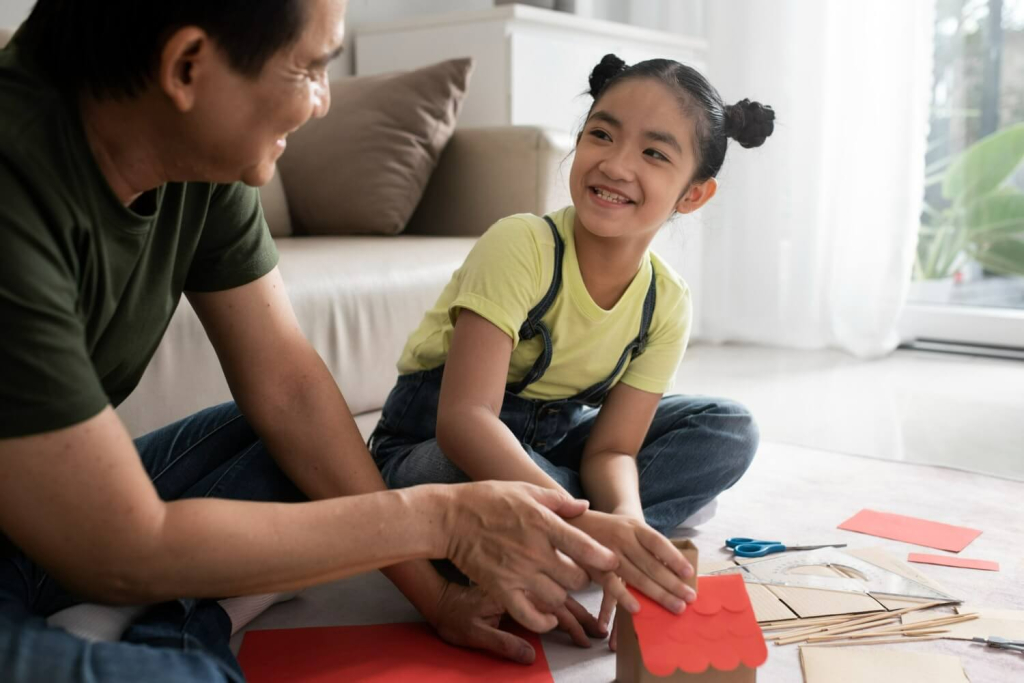
The new year is often seen as a fresh beginning for all family members, even for your kids.
For parents, it’s also the perfect time to think about how you can help your child find their interests and support their journey of self-discovery.
Childhood is an essential part of life where curiosity thrives, comfort zones are tested, and passions slowly take shape. Encouraging your child to explore hobbies and interests can spark joy, build confidence, and positively impact their mental health for years to come.
The Importance of Having Their Own Interests in a Child’s Life
A child’s interests are more than just ways to fill free time after school. A child’s interests will help them be better equipped for life ahead.
They help kids discover who they are, what excites them, and finally and most importantly, where their natural talents might lie.
Whether it’s the pull of sports, art, writing, or music, these activities teach problem-solving, focus, and effort.
When kids discover activities they genuinely enjoy, they develop a stronger sense of self and are less likely to struggle with self-doubt.
Ways of Helping Kids Find Their Interests
For young people, pursuing their own interests creates balance in life, alongside school responsibilities.
It reminds them that learning can be fun and that life is not only about grades, but also about growth, play, and joy.
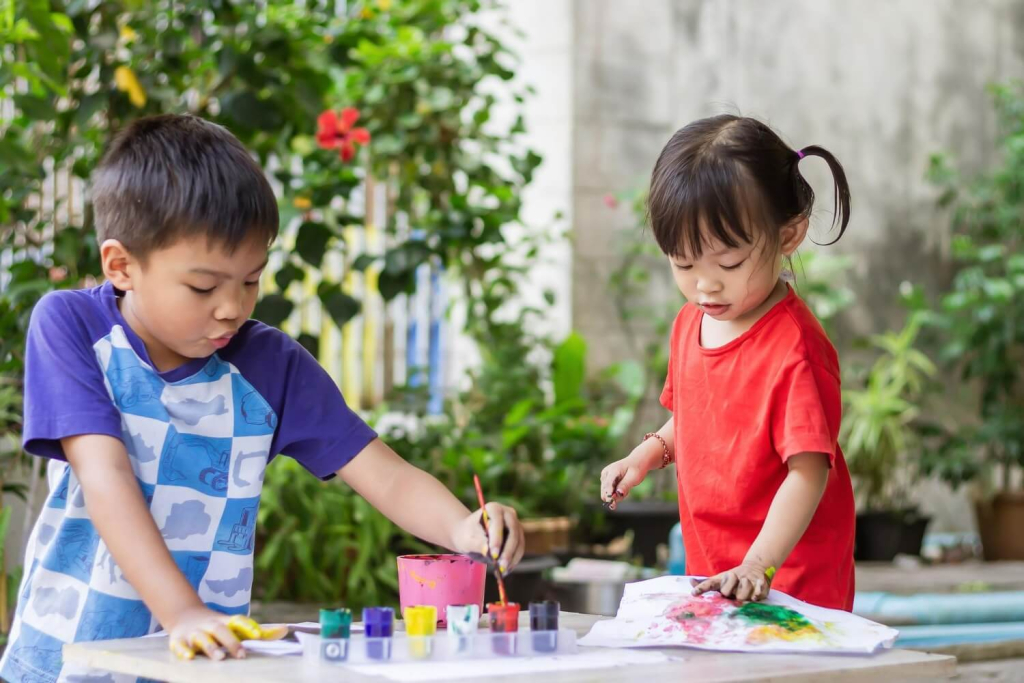
Start with Open Conversations
As with most things in parenting, encourage open and honest conversations with your kids.
One of the most practical ways to help your child develop and find their interests is simply talking.
Spend time listening to their ideas without judgment. Ask open-ended questions about what excites them, what they watch, or what they enjoy doing at school. Talking regularly helps parents understand their child’s interests and signals that their ideas matter.
For example, if your daughter talks endlessly about drawing or music, remind and encourage her that these passions are worth pursuing. Even casual conversations during family meals can lead to meaningful discoveries.
Encourage Self-Discovery Without Pressure
Kids often feel pressured to stick to the same things they’ve always done. The new year is a great time to encourage them to explore new things.
Make it a point to sign them up for different extracurricular activities. By encouraging them to try out new things, the hope is that they discover what they’re truly interested in.
You can start with sports activities, art classes, writing workshops, or beginner music lessons. The idea isn’t to decide their true calling immediately, but to let the child discover what feels right and makes sense to them.
Exploration also teaches kids that it’s okay to try, learn, fail, and move on. Not every hobby will stick, and that’s part of the journey. Encourage effort over results and remind them that learning is what counts.

Make Space for Free Time and Play
Overscheduling can limit creativity. While it’s good to let a child discover different points of interest, downtime is just as important to help them develop.
Free time is an essential part of helping kids find their interests naturally. When children have space to play, imagine, and learn things on their own, their own passions often emerge without being forced.
Parents should trust their kids to have a sense of wonder and discovery that may lead them to their true passions. And sometimes, it can develop through play.
Play can be simple, like building, drawing, pretending, or making music with everyday objects. These moments of unstructured fun help kids develop problem-solving skills and discover talents they didn’t even know they had.
Lead by Example and Learn New Things Alongside Them
Parents play a powerful role in shaping how children view hobbies.
When adults pursue their own interests or revisit forgotten passions, kids notice. Whether it’s gardening, cooking, music, or art, showing enthusiasm teaches children that self-discovery doesn’t stop at a certain age.
Learning alongside your child also strengthens family bonds. Take a class together, practice sports as a family, or explore music courses at home. This shared journey in various interests makes kids feel supported and excited, rather than pressured.
Explore Things Without Comparing Your Kids to Each Other
Every child is different. Avoid comparing siblings or classmates, as this can create self-doubt and discourage exploration. Instead, watch your child closely. Notice what holds their attention, what they return to, which activities they tend to focus on, and what brings them joy.
For instance, your daughter’s interests may lean toward creative writing, while another child prefers sports. Both paths and passions are equally valuable.
Parental support means recognizing individuality and helping kids find what suits them best.
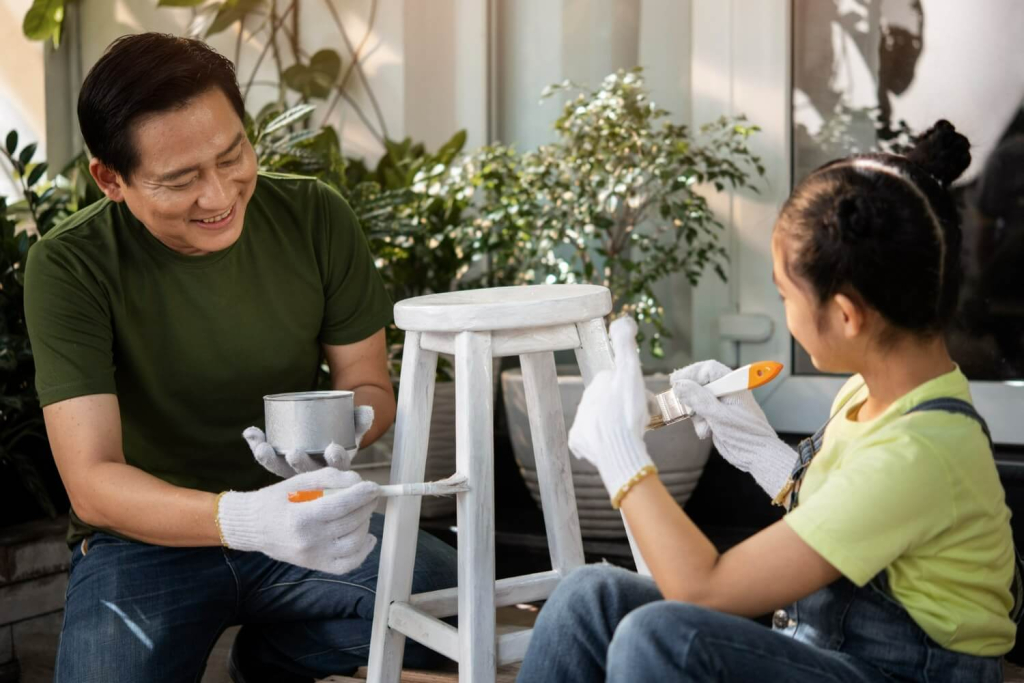
Image source: https://www.freepik.com/premium-photo/medium-shot-father-girl-painting-chair_26005747.htm#position=2
Balance Structure and Freedom
Extracurricular activities provide structure and discipline, but kids also need freedom to decide and learn. Give them a say in what they pursue and when they want to stop. When your kids do speak up, adults in their lives should offer support and listen to them sincerely.
This teaches kids decision-making and responsibility.
If a child wants to quit an activity, talk it through. Help them figure out whether it’s a lack of interest or just a temporary challenge. This process builds resilience and teaches kids to reflect on their choices.
After all, most skills require practice and focus.
Celebrate Effort, Not Just Successes
Recognition goes a long way for all kids. It’s even more important for kids who put a lot of hard work into nurturing their gifts and passions.
Celebrate progress, not perfection. Whether your child learns a new song in music lessons, finishes an art piece, or improves in sports, acknowledge the effort. Congratulatory gifts don’t have to be big; sometimes, words of encouragement from parents are enough.
Celebrating small wins reinforces confidence and can be a sign to kids that growth happens step by step.
Help Your Child Find Their Interests in Camella
The world is your child’s oyster. However, their immediate community and daily environment play a crucial role in their development.
A safe, supportive community gives children the freedom to explore interests, interact with others, and grow holistically. This is where choosing the right home matters.
Camella understands that parenting is about more than providing shelter. Parenting is about creating space for growth, learning, and joy. Camella developments are designed with open spaces, playgrounds, and community areas where kids can play, explore, learn new hobbies, and nurture gifts and talents safely.
These communities encourage family bonding, support children’s mental health, and provide an ideal setting for young people to discover their passions.
As the new year begins, let it be a year of discovery not just for your child, but for the whole family. With patience, support, and the right environment, helping kids find their interests becomes a rewarding journey that shapes a brighter future.