



Image source: Freepik
Long before the first Christmas carol echoes through the cool December air, a different tradition fills quiet streets with soft whispers and footsteps. Parishioners begin to stir while the world is still wrapped in dark, heading towards the directions of their parishes — heads bowed in prayer, the scent of incense drifting, candles flickering against ancient stone walls. For Filipino Catholics, this is a bridge between faith and hope, between harvest season’s end and the promise of Christ’s birth. This season’s dawn call carries the weight of centuries.
As night meets early morning, families, friends, and neighbors set out to attend mass together. Whether shrouded in pre-dawn mist or greeted by the golden light of first sunrise, those hours form a sacred rhythm that resonates deeply across the Philippines.
The Heart of the Tradition and How to Complete Simbang Gabi
It is always a good thing to decide and enter this nine-day practice, you embrace a tradition rooted in humility, devotion, and communal memory.
Understanding the Roots Beyond the Ritual
Simbang Gabi traces back to a time when farmers would gather before dawn, their workday not yet begun, to offer prayers and thanksgiving during what came to be known as the rooster’s mass. In a country shaped by cycles of planting and harvest, dawn masses became a way to show gratitude to God and ask for blessings for the land and livelihood. Over time, the practice evolved beyond the fields, but it retained its connection to early morning light and the quiet faith of those who rose while the world still slept.
For many Filipino Catholics, observing these dawn masses during December became a way to mark the passage from the harvest season toward the birth of Christ.
Why Faith, Light, and Preparation Shape the Experience
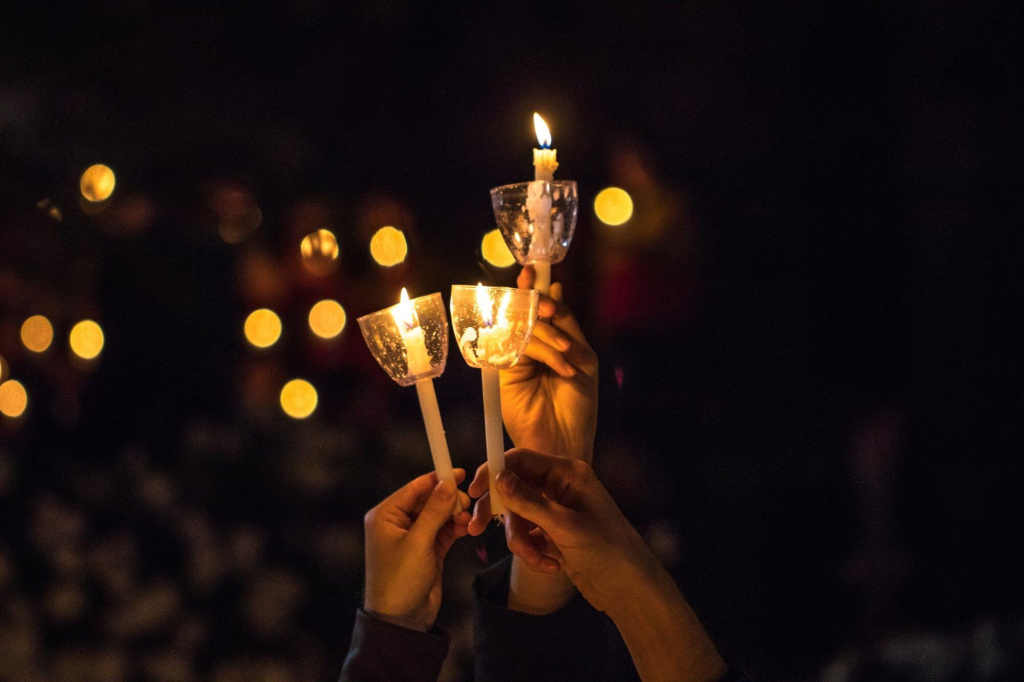
Simbang Gabi falls within the season of Advent candles — a time of waiting, hope, and spiritual preparation. For nine consecutive nights, families light their hearts to match the soft glow of candlelight in parishes across the country. Each mass becomes a small act of trust and longing for peace on Christmas Day. The repetition of prayer draws the faithful gently toward the celebration of Christ’s birth, turning routine into ritual, concern into hope.
The act of waking before dawn, leaving behind warmth and rest, and walking toward a darkened church speaks of sacrifice and devotion. In that quiet hour, many find a sense of calm — a rare pause from daily worries. That calm becomes a way to prepare not just materially, but spiritually.
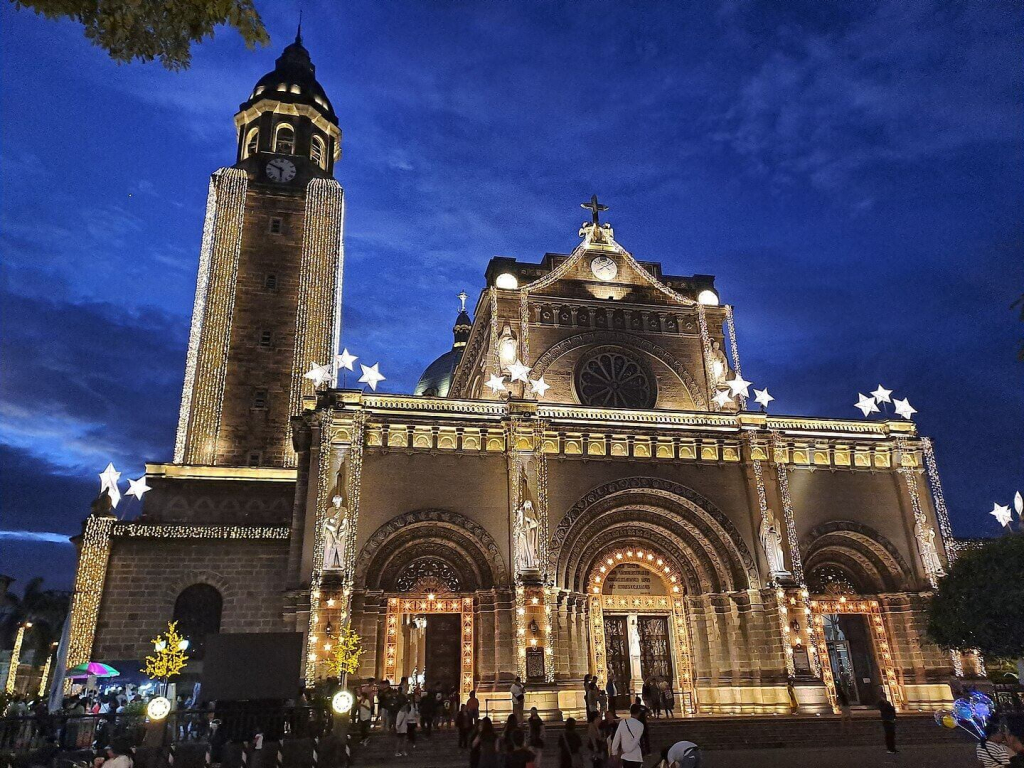
Image source: https://en.wikipedia.org/wiki/Simbang_Gabi#/media/File:Manila_Cathedral_(Simbang_Gabi)_(001)_2023-12-20.jpg
The Meaning of Dawn Masses for the Faithful
Attending dawn masses changes how December looks and feels. The cold air, the hush before sunrise, the shared footsteps of parishioners — these make the experience distinct from regular masses.
Attending Dawn Masses and the Early Morning Challenge
Pre-dawn masses require discipline. The body must wake when it’s still resisting. Many set alarms long before daybreak. Some walk to the church in near-darkness. Others ride jeepneys or try to coordinate with family, children in tow. There’s a quiet power in those early morning prayers, a sense that you belong to something larger than yourself.
For many, that moment of quiet before light carries more weight than any sermon. The mixture of tired limbs, early cold, and the warmth of shared faith becomes a humble offering.
How Anticipated Masses and Evening Masses Support Parishioners
Not everyone can make it to pre-dawn masses — especially families with small children, workers juggling night shifts, or those living farther away. That’s why anticipated masses or evening masses and night mass services (misa de aguinaldo) exist. These scheduled masses honor the spirit of Simbang Gabi while adapting to modern demands.
Through these options, more parishioners can still attend — preserving the nine-day tradition even when dawn attendance isn’t possible.
Navigating the Nine-Day Journey
Understanding the structure of the nine masses helps you stay committed and mindful throughout the practice.
The Spiritual Rhythm of the Nine-Day Path
Traditionally, Simbang Gabi consists of nine masses on consecutive days, culminating often on the final day just before Christmas. Each mass carries intent — thanks, hope, petition, reflection. For those who aim to complete all nine masses, the journey becomes as much internal as communal.
The pattern — dawn, night, evening, anticipated — may vary depending on schedule, yet the spiritual rhythm holds. Across the nine-day practice, many feel their faith deepening; prayer becomes more than ritual, it becomes presence.
The Last Day and the Emotional Peak for Filipino Catholics
On the last day, the anticipation is thick. Whether the mass falls on December 15 or in the days leading up to Christmas, the faithful gather with a mixture of relief, reverence, and joy. Some believe that completing Misa de Gallo — the final early-morning mass — brings a special blessing or that God may grant meaningful wishes made in sincere prayer.
Completing all nine masses strengthens that sense of communal faith. The last day becomes a collective sigh of gratitude, a moment where hope meets celebration, and many head home carrying silence, solace, and peace.
Misa de Gallo and Its Place in the Celebration
For many, the culminating mass — known as Misa de Gallo — holds special meaning.
What Many Believe Happens When You Attend Simbang Gabi Completely
Among traditions passed down through generations, there’s a belief that those who faithfully complete the nine masses may receive a granted wish, or some special blessing from God. People often make their petitions in silence — for health, for family, for peace — and carry hope with them as they leave the church.
Whether viewed as a spiritual reward or a symbolic gesture, finishing Misa de gallo feels like crossing a sacred threshold.
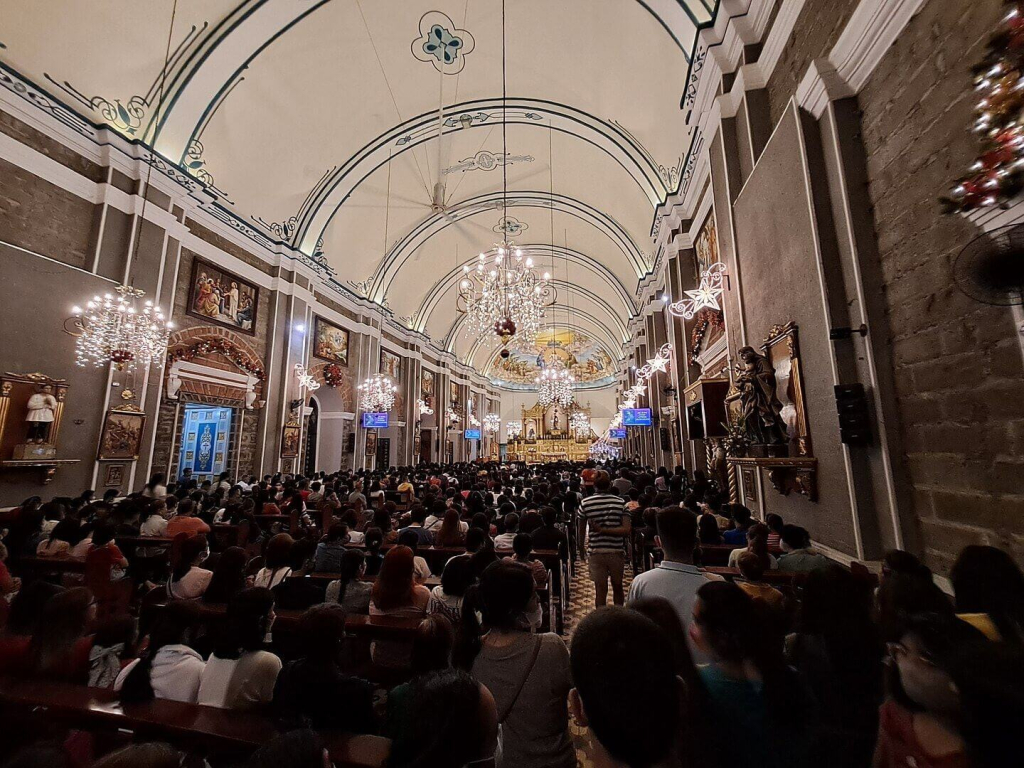
Image source: https://en.wikipedia.org/wiki/Simbang_Gabi#/media/File:Ibaan_Simbang_Gabi_2022-12-18.jpg
Clarifying a Common Mistake of Missing a Mass:
Life often interferes. Work, distance, health, and family needs may force someone to miss a mass. Some worry that missing even one invalidates the entire practice. According to many parish priests, what matters more is the sincerity of faith than the perfection of attendance. In many churches, the emphasis is on devotion, not legalism.
Missing one mass — while not ideal — doesn’t necessarily mean you fail. It doesn’t cancel hope, grace, or your place in community prayer.
Simbang Gabi Across the Philippines
Although the core of Simbang Gabi is shared nationwide, how it’s celebrated can differ depending on the parish and the community.
How Schedules and Masses Differ Across Catholic Churches
In major cities like Manila, masses may be held at night, at dawn, or as anticipated masses to accommodate busy lives. Even provincial towns such as Santo Tomas or smaller municipalities might follow timetable variations according to light, weather, or the number of parishioners.
In Laguna, areas around Camella San Pablo sit within reach of churches like the Cathedral Parish of Saint Paul the First Hermit or other parish churches. This means families can easily choose a schedule depending on their daily routine, work, or family needs.
How Family Dynamics Shape the Experience
For many Filipino households, Simbang Gabi is family time. Children get bundled up, parents prepare simple meals before or after mass, and neighbors walk together under the soft morning lights. For others, it becomes a ritual of togetherness — a blend of quiet prayer and light conversation as the day begins.
After mass, there’s often dinner or a small celebration — getting warm with food, laughter, shared stories. Evenings may be spent strolling around malls that open early, or visiting relatives, continuing the festive energy.
The Role of Priests and the Wider Church
Through the nine-day celebration, priests guide communities with prayers, readings, and messages of faith and hope. Many parishes take the chance to remind the faithful of the true meaning of Christmas: not just celebration, but reflection on birth, renewal, and giving. Some priests invoke messages from the pope about compassion, unity, and peace — reminding parishioners that their personal hopes tie into a global longing for goodwill.
In this way, Simbang Gabi becomes not just a tradition but a reaffirmation of faith in uncertain times.
Balancing Early Morning Commitments with Rest
The body must adjust. Waking in the dark night, sacrificing rest — it can take a toll. Many set earlier bedtimes, moderate evening activities, or plan “rest days” after mass to ensure the nine-day journey does not exhaust them physically or emotionally.
That balance becomes part of the discipline — reminding participants that the purpose of Simbang Gabi isn’t suffering, but sincere prayer, community, and preparation.
Conclusion
Simbang Gabi remains one of the most cherished traditions among Filipino Catholics. It asks little more than waking before dawn, stepping quietly into cold streets, walking to church, and offering prayers for nine nights. In exchange, it offers connection to community, to faith, to hope, to light before Christmas day.
Whether you complete all nine masses or miss one, the spirit of the practice stays in your heart. It’s in the quiet footsteps before dawn. In the soft glow of Advent candles. In the shared laughter after the mass dinner. In the hope that faith brings light, even in darkness.
This 2025 liturgy season, many will rise again before sunrise. Many will walk to their parish church. Many will pray. And many will carry that light home.