




Growing up in a Filipino household often means witnessing small but meaningful gestures. A classic example is an older sibling offering the best gifts they can make by hand for their younger sibling. Or a parent wrapping extra food to give to a neighbor.
These everyday moments may seem simple, but they play a powerful role in shaping how we teach kids to care for others. For many parents, their only hope is that their child grows up with empathy, kindness, and an understanding of how their actions can affect those around them.
Today, many families are intentionally finding ways to teach generosity to kids. Beyond giving during the holiday season, it’s about nurturing a spirit that grows with them so that future generations can build a more compassionate world.
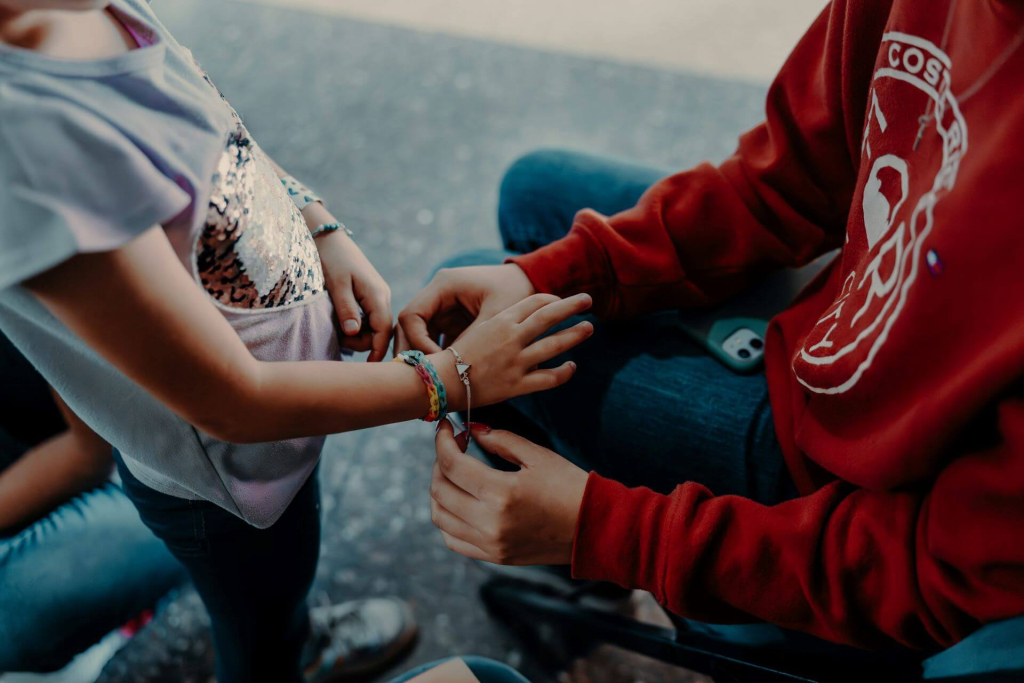
Photo by Elianna Gill
Begin with small things that teach generosity
Teaching children begins at home, where routines naturally become chances to learn values. When we approach daily life with warmth and mindfulness, kids begin to understand what generosity and being grateful look like.
Model kindness in daily routines
Children pay close attention to how adults behave. Imagine them seeing you act kindly toward a family member, an elderly neighbor, or even a stranger – they learn that kindness is part of everyday behavior.
Let them see you help someone carry groceries, offer water to a delivery person, or show sincere gratitude when someone helps you. It’s these interactions that help them understand empathy by “putting themselves in someone else’s shoes.”
Narrate what generosity looks like
Kids benefit from hearing why certain actions matter. When you let them help you prepare merienda for an neighbor or assist a family friend, explain your intention in simple terms: “We’re doing this because it feels good to help someone.” These moments help them develop understanding, they are ingrained in their heart and brain, instead of just following instructions.
Use fun ways to teach kids through activities
Children learn best when they’re having fun. When a lesson feels like play, it becomes part of how they experience the world. Here are tips that help teach generosity to kids the fun way:
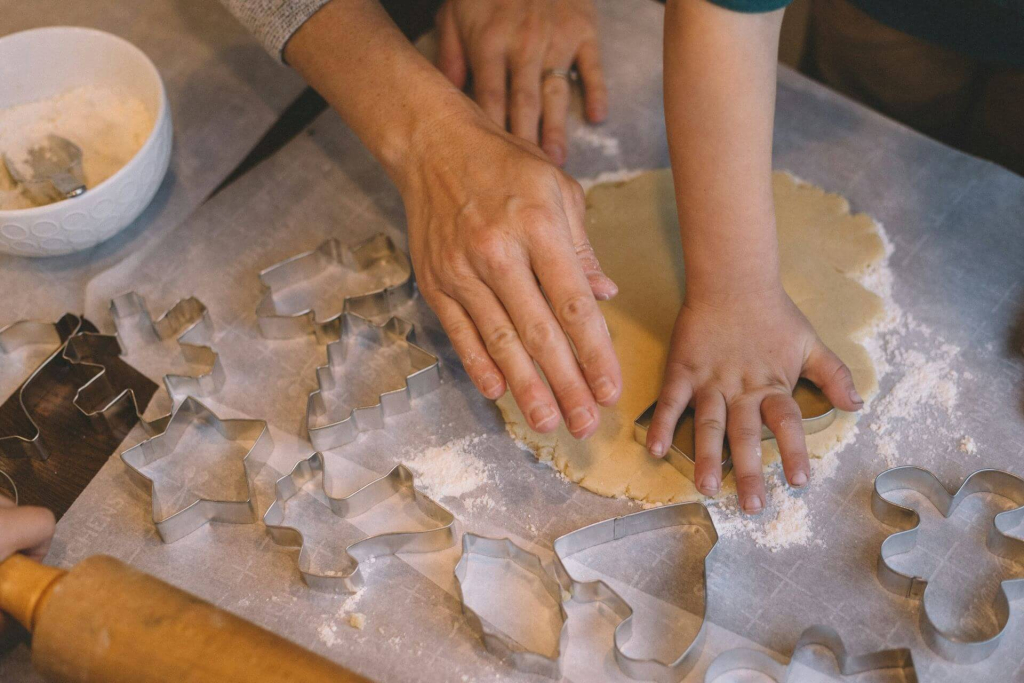
Photo by Nicholas Safran
Bake cookies or prepare small treats to share
A warm, low-pressure way to involve them is to bake cookies or pack simple snacks together. Then, let the kids give them to neighbors or teachers. This way, they learn that giving can be a joyful part of everyday life and not just something reserved for special occasions.
Explore service activities at home
Even small activities help kids learn the importance of sharing. You can sort old toys together, make cards for students at school, or prepare gently used clothes for donation. These are fun ways to introduce the habit of helping others while reinforcing that giving doesn’t always require money.
Try holiday and cultural traditions that highlight giving
During celebrations, turn gift-giving into a learning opportunity. Half the time, they are solely focused on receiving. Remind them that gifts become more meaningful when they’re chosen with care. These traditions help nurture generosity within a loving family culture.
Encourage volunteering and real-world exposure
Hands-on experiences help kids understand the real impact of kindness and service activities. When they see others benefiting from acts of generosity, the lesson becomes deeply rooted.
Visit a food bank or donation center
Some communities allow supervised visits where kids can help sort items or prepare small donation bags. Seeing shelves of canned goods and baskets prepared for families teaches them the importance of giving in ways that words sometimes cannot.
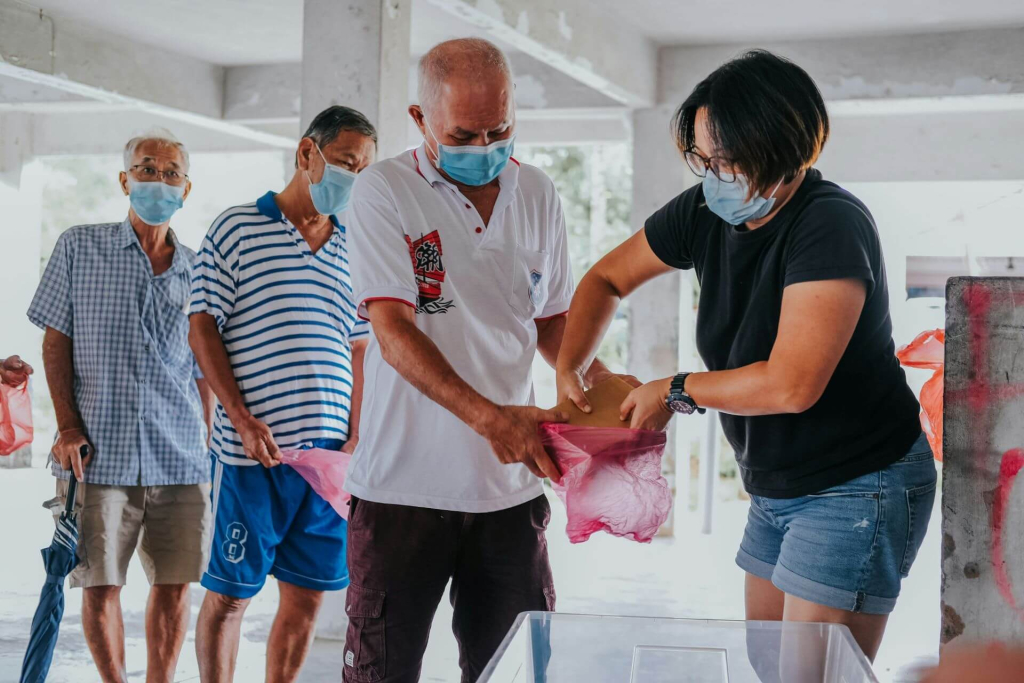
Photo by Melanie Lim
Support volunteering activities for kids
Not all volunteering has to be formal. Children can help sweep a pathway, water plants in shared spaces, or assist a neighbor who might need help with small tasks. These activities show them the joy of being involved in their community.
Talk about the importance of participating
After volunteering, talk about what they observed. Ask questions such as: “Who do you think we helped today?” or “How do you think they feel now?” This practice strengthens their sense of empathy and helps them notice the needs of others more naturally.
Nourish empathy through conversation and reflection
Open conversations allow children to process emotions and understand how kindness influences the world around them.
Have open conversations about feelings
Encourage them to explain how helping someone made them feel. Did they feel proud? Happy? Curious? These conversations support emotional growth and build self-awareness.
Reflect after giving
After a generous act—big or small—pause together to reflect. Ask them what they observed, what they learned, and what they hope to do next time. Reflection strengthens long-term habits.
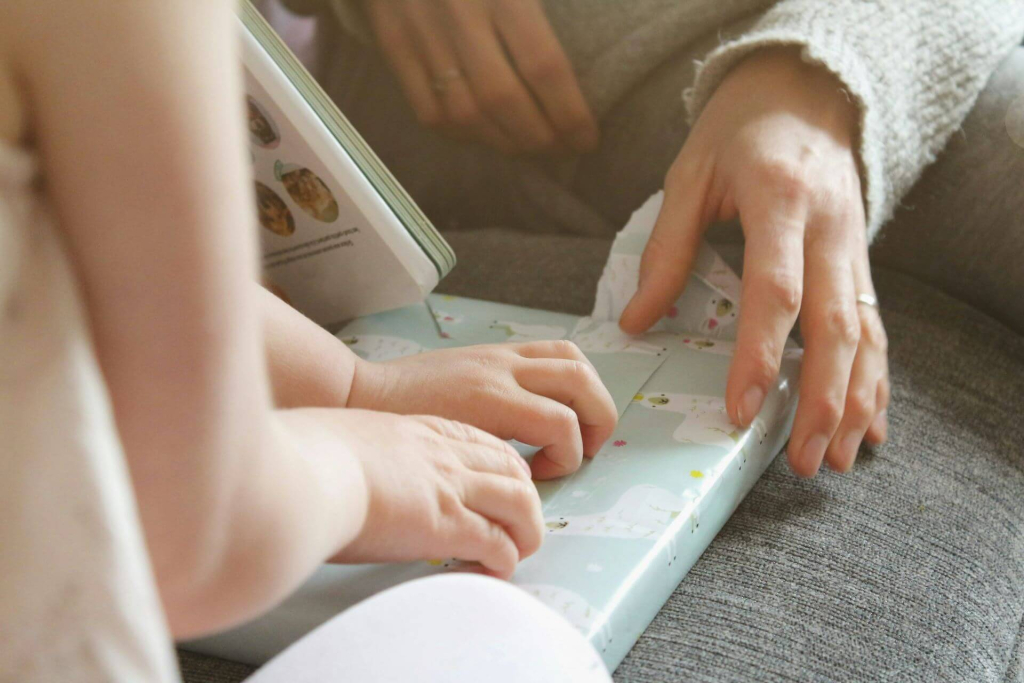
Photo by Sigmund
Use stories and characters they admire
Children connect deeply with stories. Books, movies, and even short videos with meaningful characters can inspire them to be more thoughtful. When you see a story that highlights kindness, gratitude, or compassion, use it as a chance to discuss how these lessons apply in real life.
Guide kids in practicing generosity with money
Introducing financial generosity should be simple and age-appropriate. It’s not about the amount, but rather about understanding the value of giving and supporting causes.
Use simple language to explain money and giving
Show kids how part of their allowance can be used to help someone else. It could be as small as setting aside coins to buy canned goods for a community drive.
Teach saving, sharing, and spending wisely
You can divide their allowance into three jars: save, spend, and give. This helps young kids learn how to balance their resources while emphasizing why sharing matters.
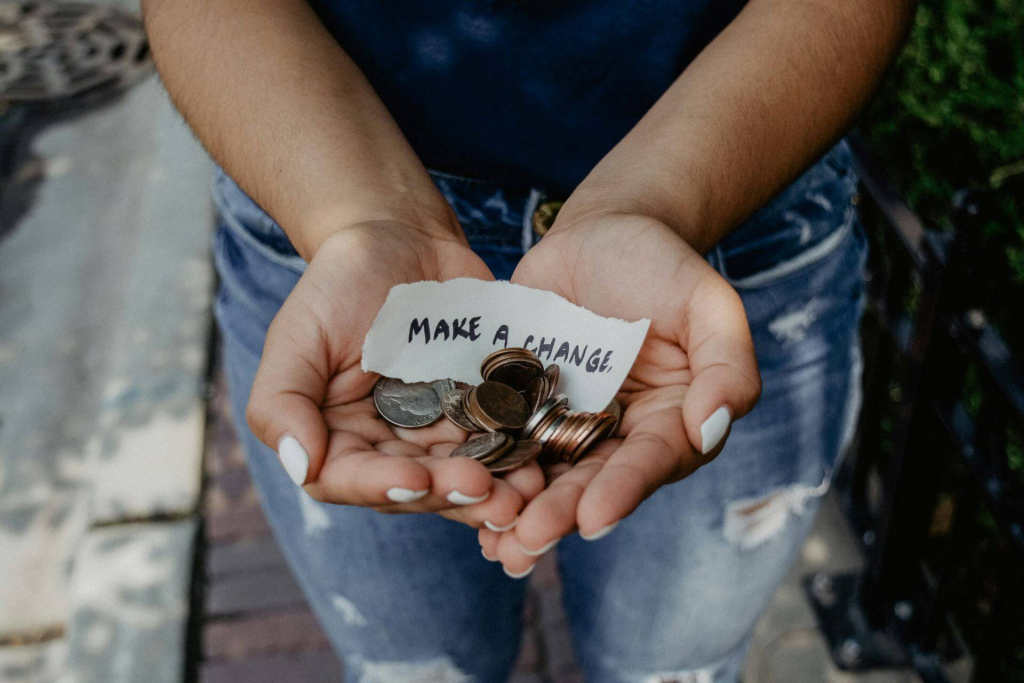
Photo by Katt Yukawa
Praise mindful decisions
When they choose generosity on their own—whether donating a part of their savings or helping without being asked—offer sincere praise. This reinforces behavior and gives them confidence in their choices.
Celebrate and praise acts of kindness
Positive reinforcement helps kids understand that their actions have meaning. When you notice their generosity, acknowledge it with warmth.
Notice and praise generous behavior
Highlight not just what they did, but the thoughtful intention behind it. This helps kids connect kindness with emotional reward, making it something they naturally want to continue.
Highlight the joy of giving
Remind them that giving brings happiness not just to others, but to themselves. Helping them recognize this joy encourages them to seek opportunities to help again.
Encourage them to inspire others
Tell them that every small act they make can influence friends, siblings, and even grown-ups. This empowers them and shows that generosity is a strength they carry within.
Photo by National Cancer Institute
Build a home where generosity naturally grows
Teaching children generosity is a collection of small, meaningful steps, such as modeling kindness, creating fun teaching moments, joining community activities, and talking openly about emotions.
These experiences shape how kids understand the world and give them the confidence to act with empathy. By injecting generosity into daily life, families help raise individuals who care deeply, think compassionately, and use their actions to make a difference.
Discover communities where kindness grows at home. Explore neighborhoods by Camella, where families can enjoy meaningful everyday moments and inspire children to build a generous, compassionate future.